September 29, 2025

If you’ve ever tried pushing a wheelchair over a step that feels like Mount Everest, you already know why ramps matter. And if you’re in Melbourne—land of unpredictable weather, narrow terraces, and fast-paced living—you want a ramp setup that just works for your lifestyle.
Maybe you’re thinking about a portable ramp for flexibility, or perhaps a permanent ramp that blends smoothly with your home. Either way, choosing the right one shouldn’t feel like assembling IKEA furniture without the manual.
So, let me walk you through the good, the bad, and the very practical differences. By the end, you’ll know exactly what fits your routine, your home, and honestly—your sanity.
Before we dive into materials, slopes, and all those fun details, let’s break it down simply: portable ramps are your flexible friends—lightweight, movable, and ready whenever you need them. Permanent ramps, however, are more like that dependable mate who shows up early and stays late—strong, stable, and built to last.
And here’s the thing I’ve learned from chatting with homeowners across Melbourne: your decision isn’t just about accessibility compliance or mobility support. It’s about lifestyle. Do you travel often? Do the steps in your home make every entry feel like a mini obstacle course? Do you have guests with mobility challenges? The answer changes everything.
If you’re also upgrading other areas of your home, like installing disability grab rails for Melbourne home, you’ll notice how these choices add up and create a safer, more seamless living space.
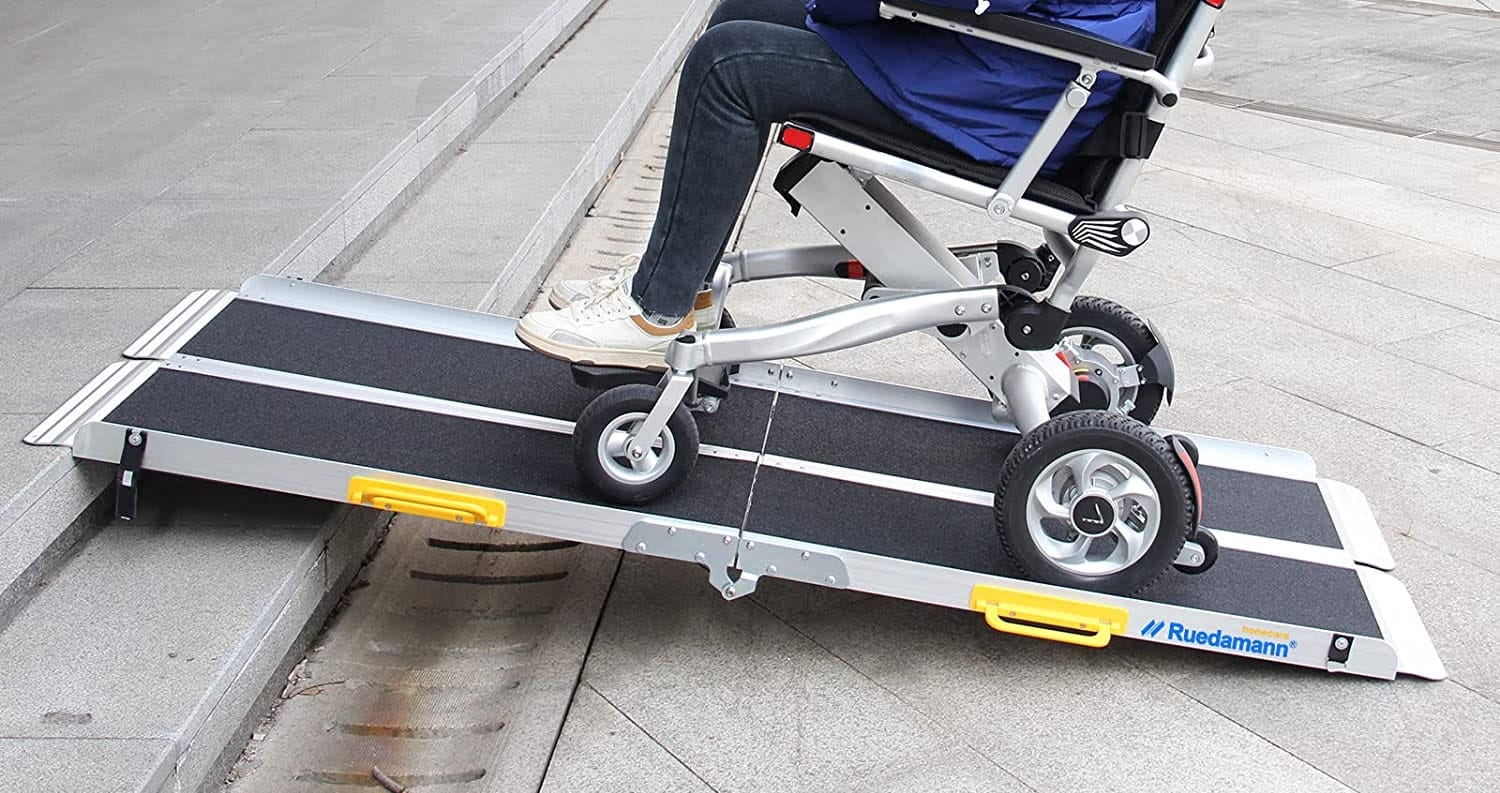
Portable ramps are like those foldable chairs you take everywhere—lightweight, practical, and there when you need them. I’ve seen people keep them in car boots, behind doors, even tucked neatly beside the fridge.
Here’s what makes them genuinely appealing:
However—and this is the part people sometimes ignore—they’re not always as stable as permanent options. Weather can make them slippery, weight capacity varies, and they can feel bouncy if placed on uneven surfaces.
Still, for young professionals or families who appreciate flexibility, portable ramps often tick the right boxes.
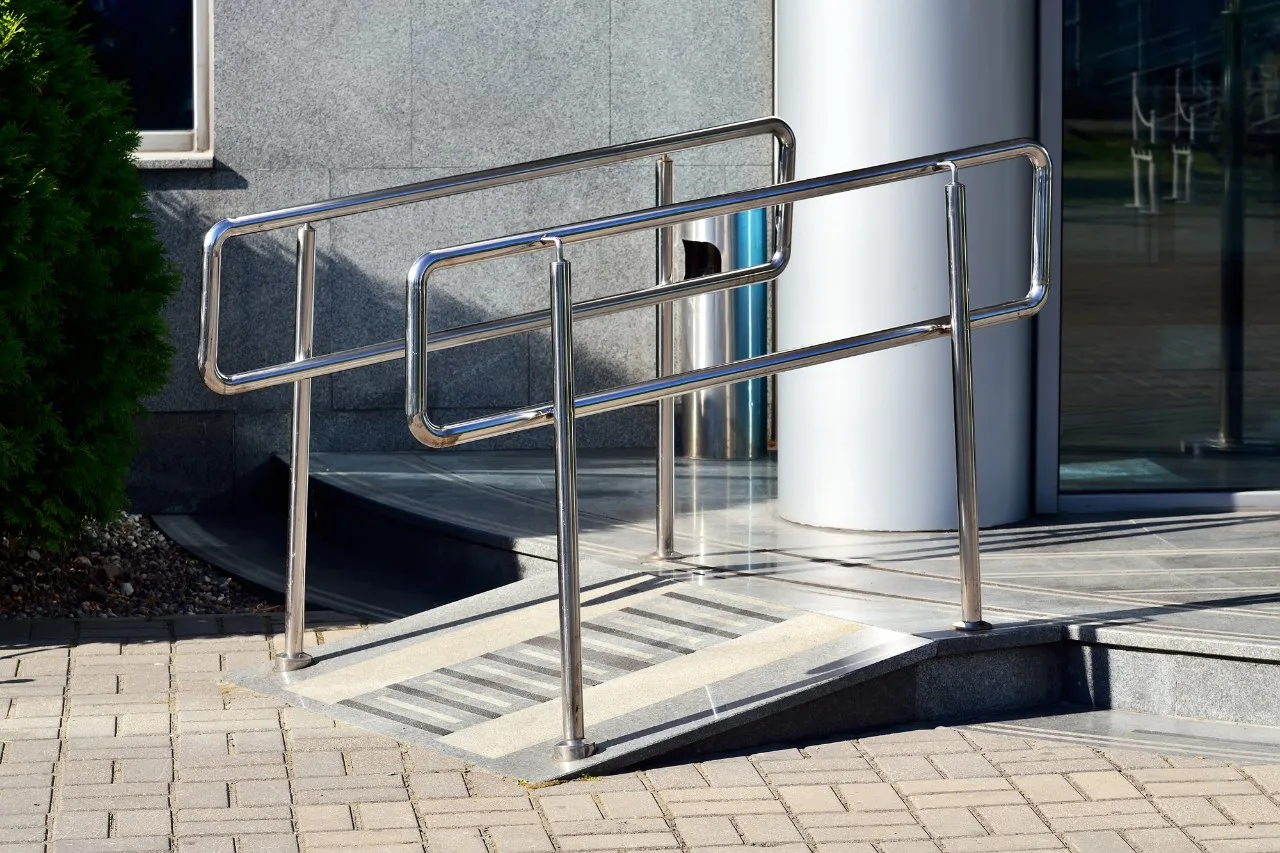
Permanent ramps are the luxe home upgrade version of accessibility. Think concrete, aluminium, or wood—with a clean finish that blends into your architecture. They look intentional, feel secure, and make daily movement smoother.
Here’s why many Melbourne homes prefer them:
Permanent ramps particularly suit people with long-term mobility needs or homes with frequent wheelchair use. Though they cost more upfront, they usually add value to the property (and peace of mind).
This is also where you should consider checking government rules around accessibility. According to the Australian Building Codes Board, even small residential modifications can benefit from following proper access guidelines.
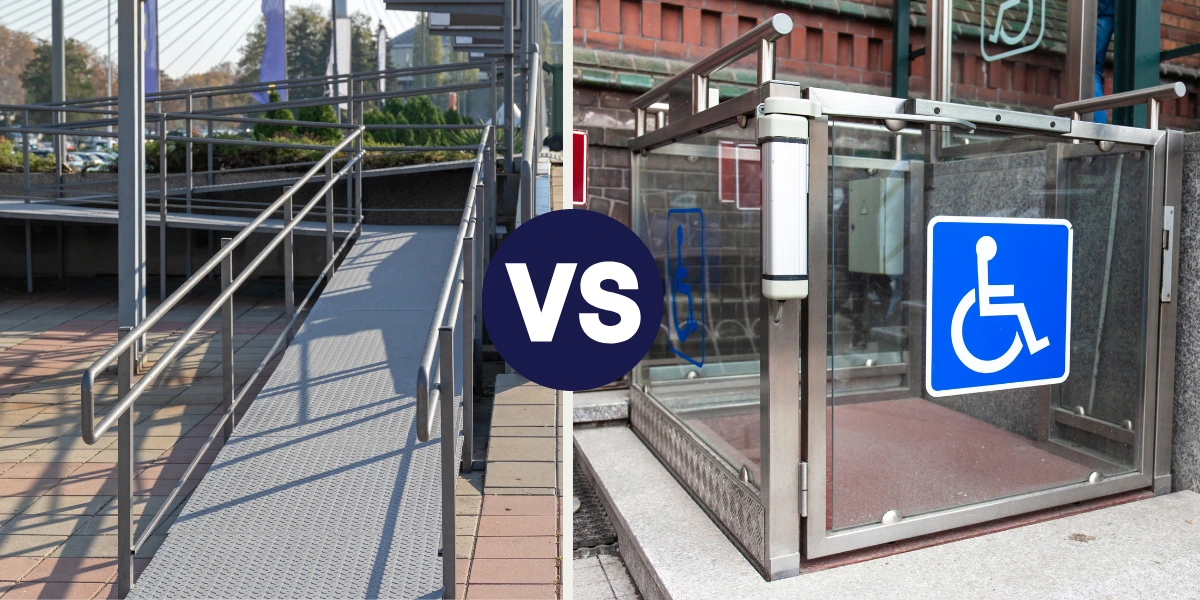
Insert image of a ramp comparison graphic here.
| Feature | Portable Ramp | Permanent Ramp |
|---|---|---|
| Cost | Lower upfront | Higher upfront |
| Installation | No installation needed | Requires professional installation |
| Mobility | Very flexible | Fixed in place |
| Durability | Moderate | Very durable |
| Best For | Renters, travellers, temporary needs | Long-term accessibility |
| Look & Design | Functional | Stylish, blended with home |
| Surface Stability | Depends on placement | Always stable |
This table pretty much sums it up. If you’re leaning toward freedom and short-term convenience, portable ramps are your mate. If you’re craving stability, safety, and that architectural polish, permanent ramps win hands down.
Here’s where things get more personal. Melbourne isn’t the same everywhere. A ramp that suits a Carlton terrace won’t suit a Dandenong modern brick home. Even your daily routine matters.
Think about:
I once worked with a family in Brunswick who chose a portable ramp because they loved weekend trips and didn’t want a fixed ramp ruining the look of their heritage facade. Meanwhile, a client in Glen Waverley built a stunning concrete ramp with steel handrails that honestly made the home look more expensive.
Different lifestyles, different solutions.
This is something many people overlook: you don’t need to choose just one.
A lot of Melbourne families keep a portable ramp in the car while using a permanent one at home. It’s like having sneakers and dress shoes—you use each for different occasions.
A combination works perfectly if:
It’s a smart move, especially when caring for elderly parents or individuals with disability.
If you want my honest opinion: choose the ramp that fits your lifestyle today and tomorrow. Portable ramps offer freedom. Permanent ramps offer long-term comfort.
Think about how you live, what your home layout looks like, and what mobility needs exist. Whether you’re making accessibility upgrades for yourself, a parent, or a family member, the right ramp can make life smoother, safer, and a whole lot easier.
If you’re ready to explore options, chat with an accessibility specialist or browse ramp solutions tailored for Melbourne homes.
Accessibility shouldn’t be complicated—and with the right ramp, it won’t be.
Yes, they can be, but it depends on the material and weather. Aluminium portable ramps are great, but always check grip and placement.
A well-built concrete or aluminium ramp can last decades with minimal maintenance.
You may, depending on the design and structural alterations. It’s best to check with your local council.
The commonly recommended guideline is a 1:14 gradient, which balances safety and usability.
Yes, but always check the weight rating. Some are designed for heavier mobility devices.