March 9, 2026

The narrative of interior design in Melbourne is undergoing a sophisticated transformation, moving away from the stark, purely aesthetic choices of the early 2000s toward a philosophy of “Invisible Accessibility”. In the leafy streets of Malvern and the converted warehouses of Fitzroy, the conversation is no longer about “aging in place” as a medical necessity, but as a lifestyle upgrade.
The discerning homeowner in 2025 demands a residence that is resilient, adaptable, and indistinguishable from a high-end luxury retreat. It is a shift where safety features are so seamlessly integrated into the architectural fabric that they become invisible, preserving the integrity of the design while future-proofing the home for the decades to come.
This evolution is driven by a demographic reality that refuses to compromise on style. Melbourne’s population is aging, yet this generation retains a keen eye for the “Quiet Luxury” aesthetic—a trend characterized by understated elegance, natural materials, and an emphasis on tactile comfort.
Consequently, the selection of flooring has ascended from a background decision to a primary architectural consideration. It is the foundation upon which the safety and comfort of the home rest, requiring a nuanced understanding of friction coefficients, thermal mass, and biomechanics.
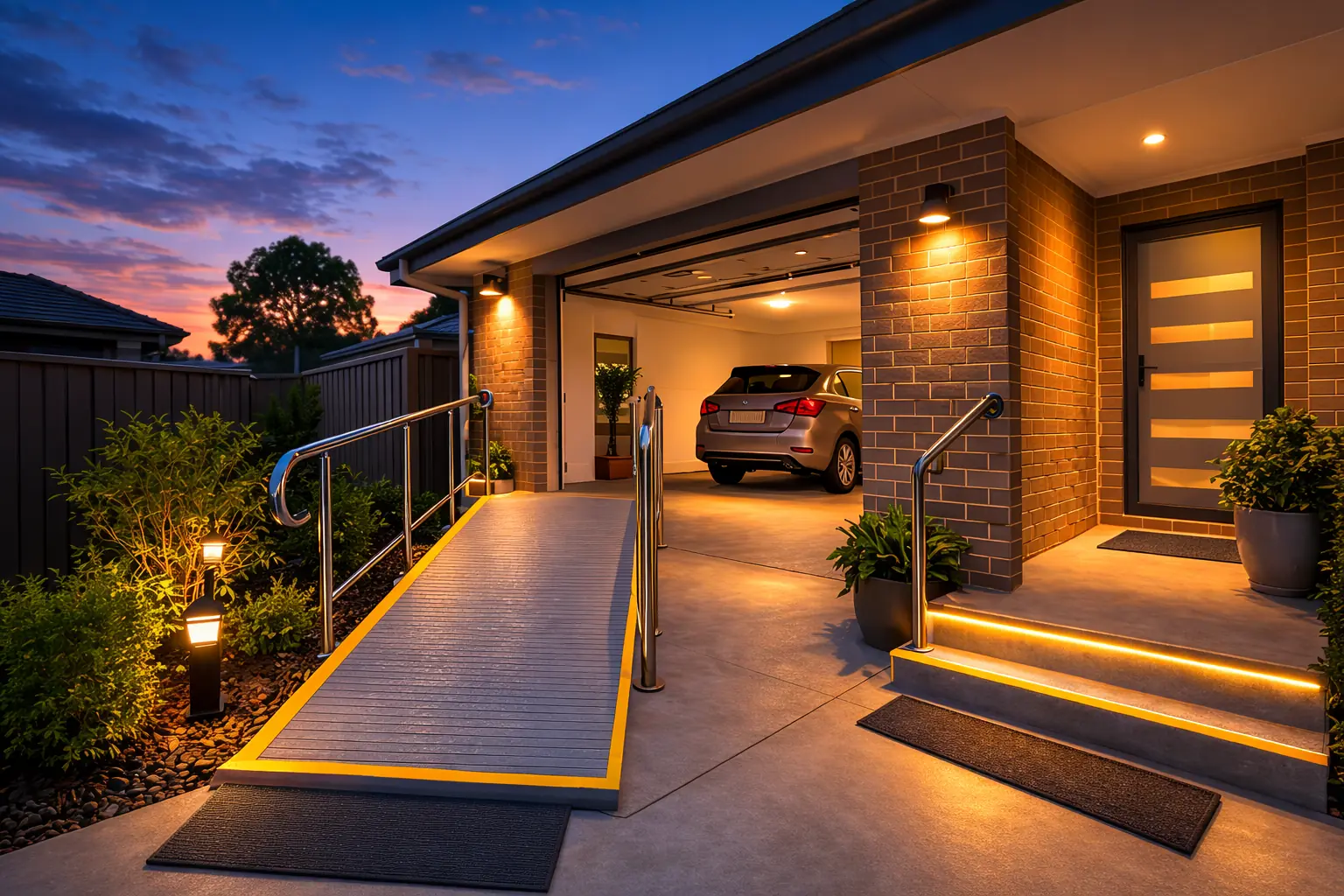
In the context of accessibility, the transition between indoor and outdoor environments is critical. For many Melbourne residences, particularly elevated Victorian terraces or homes with stepped entryways, the integration of wheelchair ramps melbourne is a foundational step in ensuring the home remains visitable and livable. When executed correctly, these transitions do not disrupt the visual flow but rather enhance the continuity of the property, linking the manicured garden to the safety of the interior.
Flooring is the most tactile element of a home; it is the only surface with which occupants are in constant physical contact. For the aging individual, the floor represents both a foundation of support and a potential source of anxiety. A surface that appears slippery—such as high-gloss porcelain or polished timber—can induce a “fear of falling,” leading to a change in gait, stiffness, and ironically, a higher risk of accidents. Conversely, a matte, textured surface communicates stability to the subconscious.
Therefore, the psychological impact of flooring choices is as significant as the physical specifications. The 2025 design trends favor “Refined Australian Minimalism,” utilizing matte finishes, organic textures, and warm neutrals that signal safety while delighting the eye. This approach aligns perfectly with the functional needs of age-friendly flooring, where glare reduction and slip resistance are paramount.
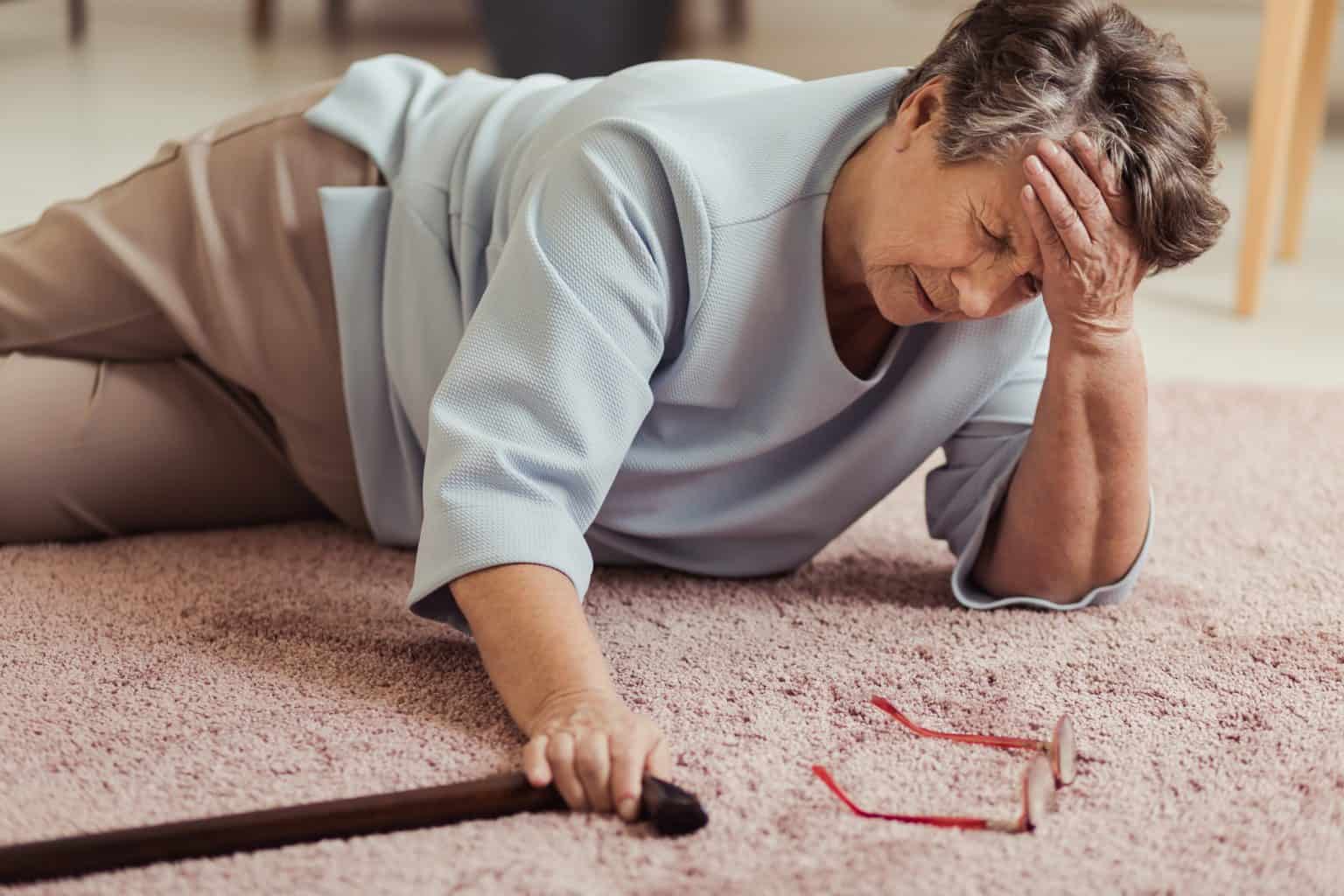
The concept of “Universal Design” is moving from a niche requirement to a baseline expectation in premium renovations. The stakes are high; falls are a leading cause of injury for older Australians, with over half of all fall-related hospitalizations occurring due to slips on a single-level surface.
The Australian government emphasizes that environmental modification is a primary strategy for health preservation. According to the Department of Health, falls can be prevented by addressing slippery surfaces and poor lighting, which are cited as major environmental risk factors that can be mitigated through thoughtful design choices.
To make an informed decision, one must navigate the technical landscape of Australian Standard AS 4586:2013, which classifies slip resistance for new pedestrian surface materials. This standard is the benchmark for safety in Australia, yet it is often misunderstood by the layperson.
Slip resistance is not a static property; it is a dynamic interaction between the foot (or shoe), the contaminant (water, oil, dust), and the floor surface. The standard utilizes two primary testing methods relevant to residential settings:
The P-rating scale ranges from P0 (very high slip risk) to P5 (very low slip risk). For age-friendly flooring in Melbourne homes, identifying the “Goldilocks” zone—where safety meets cleanability—is crucial.
| Rating | Slip Resistance | Recommended Application | Analysis for Age-Friendly Living |
| P0-P1 | Very Low | Dry areas only (e.g., bedrooms) | Generally unsafe for bathrooms, kitchens, or laundries due to moisture risk. |
| P2 | Low | Living rooms, hallways | Acceptable for dry areas, but caution is advised in transition zones. |
| P3 | Moderate | Kitchens, Laundries, Ensuites | The Minimum Standard. Offers decent grip without being too rough to clean. |
| P4 | High | Bathrooms, Showers, Outdoor Decks | The Ideal Target. Provides excellent wet traction. Critical for aging safety. |
| P5 | Very High | Ramps >1:14, Pool surrounds | Extremely safe but can be abrasive and difficult to mop, potentially shredding cleaning tools. |
While less critical for a living room, the R-rating is vital for transitions and wet areas. An R10 rating is often specified for kitchens and bathrooms as it provides a baseline of “grip” sufficient for domestic contaminants. For external ramps and steep driveways, an R11 or R12 is recommended to counteract the slope and environmental exposure.
A common grievance in age-friendly design is that safer floors are harder to clean. A surface rated P5 often has a sandpaper-like texture that traps dirt and shreds mop heads. For an older adult with limited shoulder strength or mobility, scrubbing a high-friction floor is physically taxing, potentially leading to a dirtier floor which in itself becomes a slip hazard.
The industry has responded with “Micro-texture” technologies (such as Microtec by Beaumont Tiles), which create a surface that feels smooth to the touch (easy to clean) but activates a high grip coefficient when wet. This innovation resolves the conflict, allowing for a P4 safety rating in a bathroom that wipes down with the ease of a standard glaze.
Melbourne’s architectural heritage is deeply tied to timber, from the Baltic Pine of Victorian terraces to the Tasmanian Oak of mid-century modern homes. For the aging demographic, timber offers psychological warmth and a connection to nature (biophilia) but presents physical challenges—namely, hardness and maintenance.
In the variable climate of Victoria, where humidity can swing drastically between dry summers and damp winters, the structural integrity of the floor is paramount.
The safety of a timber floor is dictated entirely by its coating. High-gloss polyurethane is a known hazard, creating glare and offering low wet-slip resistance. The contemporary trend toward Matte and Satin finishes is not just aesthetic; it aligns with safety goals.
In the Melbourne market, brands like Kustom Timber are leading the charge with engineered European Oak that meets rigorous slip standards while offering the wide-plank aesthetic (180mm–260mm) currently in vogue. Their “Natural” and “Feature” grades offer texture that hides wear and tear, a practical consideration for homes with mobility aids.
Cork is experiencing a renaissance in 2025, driven by the biophilic design movement and its inherent ergonomic properties. Once dismissed as a relic of the 1970s, it is now recognized as one of the most intelligent materials for age-friendly design.
Cork is comprised of millions of air-filled cells, behaving like a honeycomb. This cellular structure acts as a natural shock absorber. For seniors with arthritis, hip issues, or general joint pain, walking on cork is significantly less jarring than walking on timber or tile. In the unfortunate event of a fall, the impact is dampened by this compressibility, potentially reducing the severity of injury.
In Melbourne’s chilly winters, cork remains warm to the touch, reducing the reliance on heating systems and increasing barefoot comfort. Its acoustic properties are equally impressive; it absorbs footfall noise, creating a quieter, more peaceful home environment. This acoustic dampening is particularly beneficial for hearing aid users, as it reduces background reverberation.
Gone are the orange-flecked tiles of the past. Modern cork manufacturing allows for high-definition digital printing, enabling cork planks to mimic the look of French Oak, bluestone, or concrete while retaining their softness. Brands available in Australia now offer “floating” cork planks that install like laminate, making them a viable retrofit option. However, cork requires sealing to maintain water resistance, and heavy furniture can leave indentations due to its compressibility.
Vinyl has shed its “cheap” reputation to become a dominant force in accessible design. It is arguably the most pragmatic choice for age-proofing a home, offering a balance of durability, safety, and cost-effectiveness.
Unlike timber or laminate, high-quality vinyl is impervious to water. Spills, incontinence, or plumbing mishaps will not warp the floor. This allows for a continuous floor installation that runs seamlessly from the front door, through the kitchen, and into the bathroom (if rated correctly). This continuity eliminates thresholds and cover strips, removing trip hazards and visually expanding the space.
Hybrid Flooring represents the latest evolution in this category, mixing the durability of laminate with the waterproof nature of vinyl. It typically features a rigid core (SPC – Stone Plastic Composite) that is stable in direct sunlight—a crucial factor for Melbourne homes with large north-facing windows. Most Hybrid planks come with a pre-attached acoustic backing, offering sound dampening and a softer feel underfoot than traditional tile or timber.
Most reputable LVP brands (e.g., Karndean, Polyflor) come with inherent R10 slip ratings, making them suitable for kitchens and living areas. The wear layer (usually 0.55mm for commercial grade) is highly resistant to scratches from walkers or wheelchairs. The low profile of these planks (4.5mm – 6.5mm) makes them ideal for renovations, as they can often be laid over existing floors without raising the floor level significantly.
Carpet is synonymous with comfort, but in the context of mobility aids (wheelchairs, walkers), it presents a complex challenge.
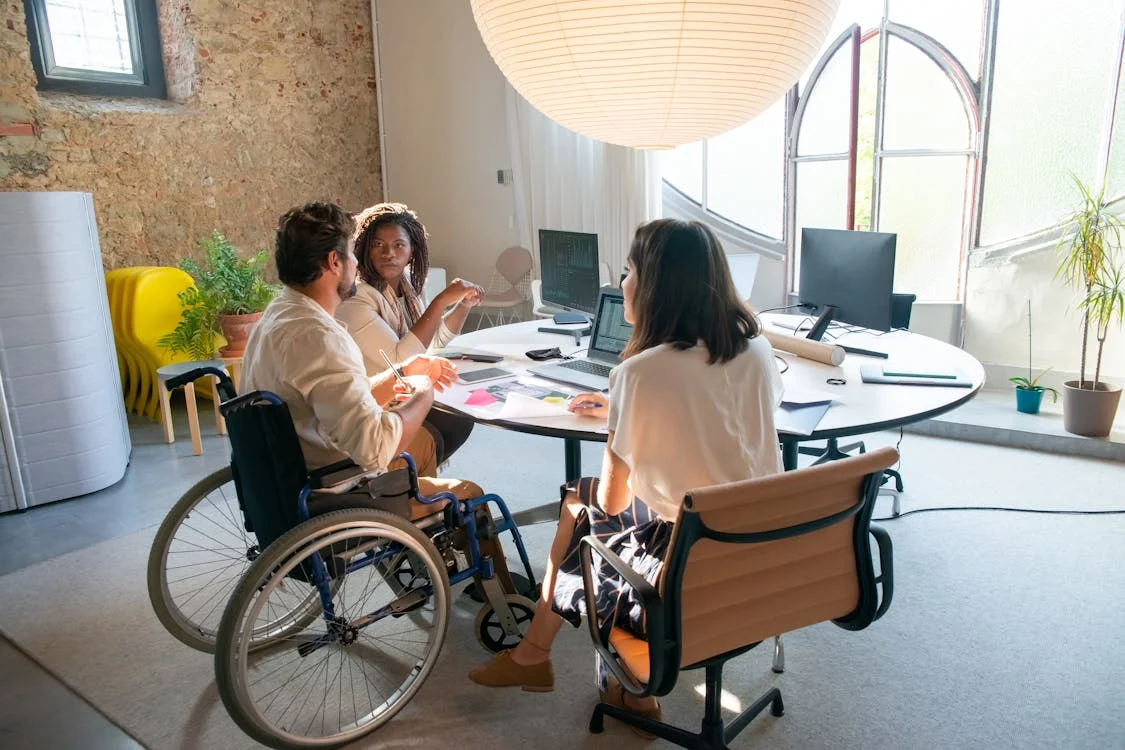
Deep pile, plush carpets create significant rolling resistance. Pushing a walker or wheelchair through thick wool is physically exhausting and increases the risk of tripping. Furthermore, high-pile carpets can hide small objects that may cause instability.
The recommendation for age-friendly homes is Solution Dyed Nylon (SDN) or low-pile wool in a tight loop or twist construction.
Bathrooms are the “danger zone” for falls, making tile selection the most critical safety decision in the home.
As mentioned, Microtec technology (and similar proprietary finishes from other manufacturers like Signorino or National Tiles) has revolutionized bathroom safety. These tiles achieve a P4 rating, suitable for shower floors, yet feel smooth when dry. This allows for a single tile to be used from the bathroom floor directly into the shower recess, facilitating a “curbless” design.
A “walk-in” or curbless shower with a linear drain allows the floor to continue seamlessly into the shower recess without a “hob” (step-over). This is the gold standard for accessibility, accommodating shower chairs and preventing trips. Large format tiles (600x600mm or larger) are preferred in 2025 to minimize grout lines, which reduces scrubbing maintenance and provides a smoother surface for rolling commodes.
Prices vary based on global supply chains, but current Melbourne market rates (supply + install) provide a guideline for budgeting.
| Material | Cost Range (per m²) | Durability | Comfort | Best Application |
| Vinyl Plank (LVP) | $45 – $90 | High | Moderate | All-Rounder (Renovations) |
| Hybrid Flooring | $55 – $100 | Very High | Moderate | Kitchens, Hallways |
| Engineered Timber | $120 – $250+ | Moderate | Low | Living Areas (Aesthetic focus) |
| Cork | $80 – $150 | High | Very High | Kitchens, Living |
| Solution Dyed Nylon Carpet | $40 – $120 | Moderate | High | Bedrooms |
| Porcelain Tile (P4) | $80 – $200 | Very High | Very Low | Bathrooms, Wet Areas |
For eligible seniors, the cost of modifying flooring need not be borne entirely out of pocket.
The 2025 aesthetic is defined by “Invisible Accessibility,” where safety features are hidden in plain sight.
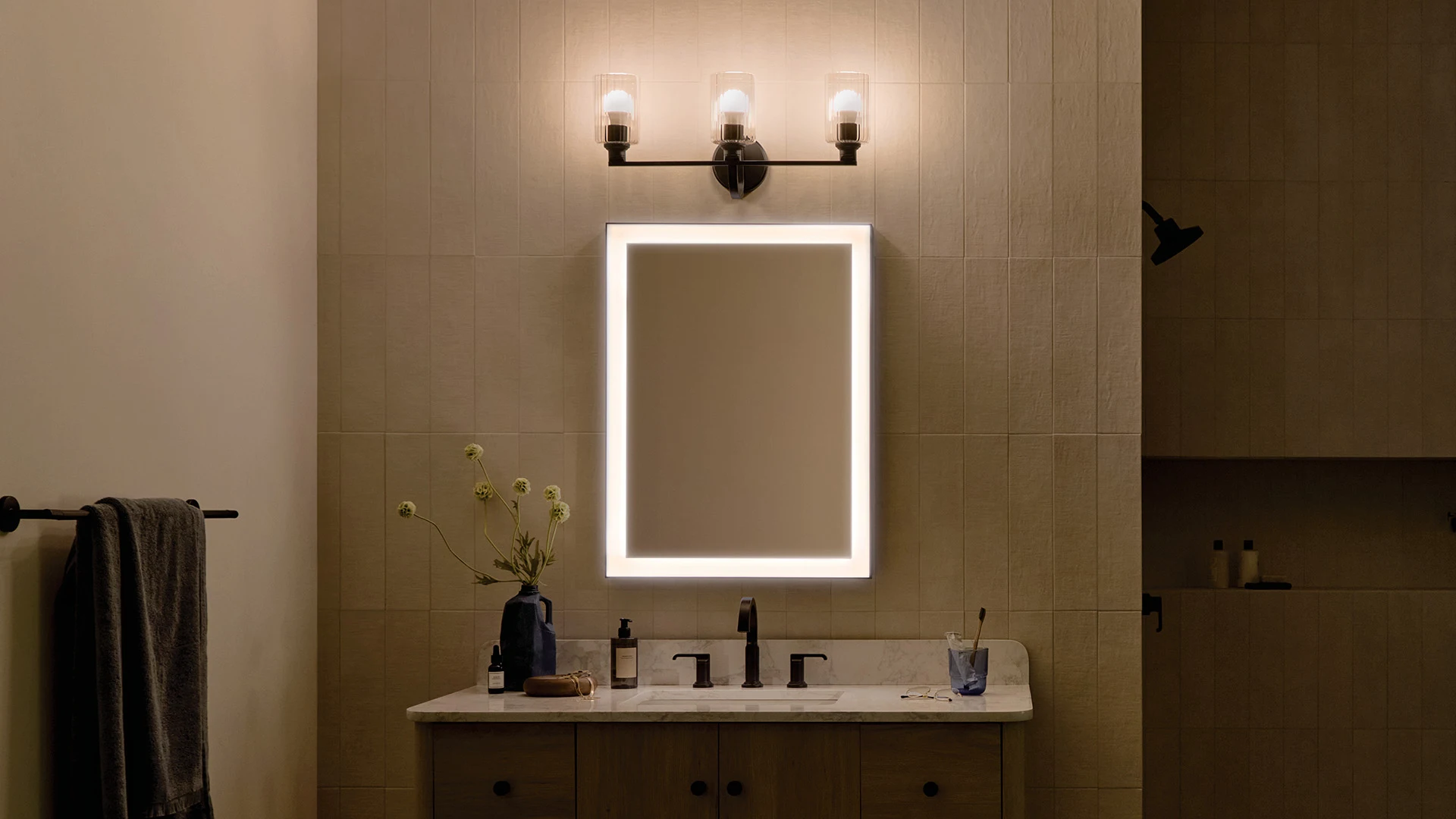
Flooring cannot be selected in isolation from lighting. Glare from a highly polished floor can be blinding for seniors with cataracts or varying vision. A matte or satin finish disperses light, reducing hot spots and allowing the eye to read the room geometry more accurately.
Selecting age-friendly flooring is an exercise in balancing the scientific realities of friction and impact absorption with the artistic desires for warmth and style. In 2025, the Melbourne homeowner is spoiled for choice. It is possible to have the rustic charm of oak without the slip risk, thanks to wire-brushed engineered planks.
It is possible to have the hygiene of tile without the coldness, thanks to underfloor heating and Microtec glazes. It is possible to have the softness of cork without the retro stigma.
The “best” floor is contextual. It is the P4 tile in the bathroom, the plush SDN carpet in the bedroom, and the acoustic-backed Hybrid plank in the hallway. It is a curated palette of textures that guides the resident safely through their home, proving that in the world of modern design, the most luxurious feature of all is peace of mind.
Generally, rugs are discouraged as they are primary trip hazards. However, if they are essential for decor, they must be low-profile (no tassels or thick edges) and secured firmly to the subfloor using double-sided carpet tape or a heavy-duty non-slip underlay. The transition from floor to rug should be as flush as possible to prevent catching toes or walker wheels.
Not particularly. While sustainable, bamboo is extremely hard (often harder than oak) and offers very little shock absorption. For arthritis sufferers, Cork is the superior choice due to its cellular structure which compresses slightly underfoot, reducing impact on joints.
A P3 rating is the minimum standard for indoor wet areas like kitchens and laundries. A P4 rating offers higher slip resistance and is recommended for bathrooms, showers, and outdoor areas exposed to rain. For an age-friendly bathroom, P4 is the safer choice to prevent slips in soapy or wet conditions.
Modern Luxury Vinyl Planks (LVP) from reputable suppliers are strictly regulated for Volatile Organic Compounds (VOCs). Look for products with “GreenTag” or similar certification to ensure indoor air quality is safe, especially for seniors with respiratory issues. Vinyl is generally considered safe and hygienic for age-friendly applications.
Yes, Hybrid flooring and some Vinyl Planks can be installed directly over existing tiles (“floating floor”), provided the existing floor is flat and level. This saves the cost and mess of demolition, which is a significant benefit for renovations in occupied homes. However, floor height changes must be managed carefully to avoid creating new trip hazards at doorways.
The ideal flooring for a wheelchair user is hard, smooth, and adhered directly to the subfloor (glue-down). Glue-down Vinyl Plank or Linoleum are excellent choices as they offer low rolling resistance (easy to move) and won’t buckle or bunch up under the wheels like carpet or floating floors might.