March 9, 2026

Ever thought of adding a ramp instead of carrying a suitcase up the stairs? If you’re an Aussie wondering how to afford those necessary home tweaks – wider doors, grab rails, an accessible shower – chances are the NDIS (National Disability Insurance Scheme) has your back.
I’ve seen everyday Melburnians scratch their heads over this, wondering how to pay for mods that make life easier. Think of this guide as an easy chat over a flat white – I’ll cover how to turn your home into an accessible haven without emptying your wallet.
We’ll explore what counts as a home modification, who’s eligible, and how the NDIS funding pot can pay for everything from ramps to remodelling bathrooms. Providers specializing in home renovations for elders and disabled know how to blend style and safety. By the end, you’ll know exactly how to navigate the NDIS process, whether you’re in Melbourne or anywhere in Australia.
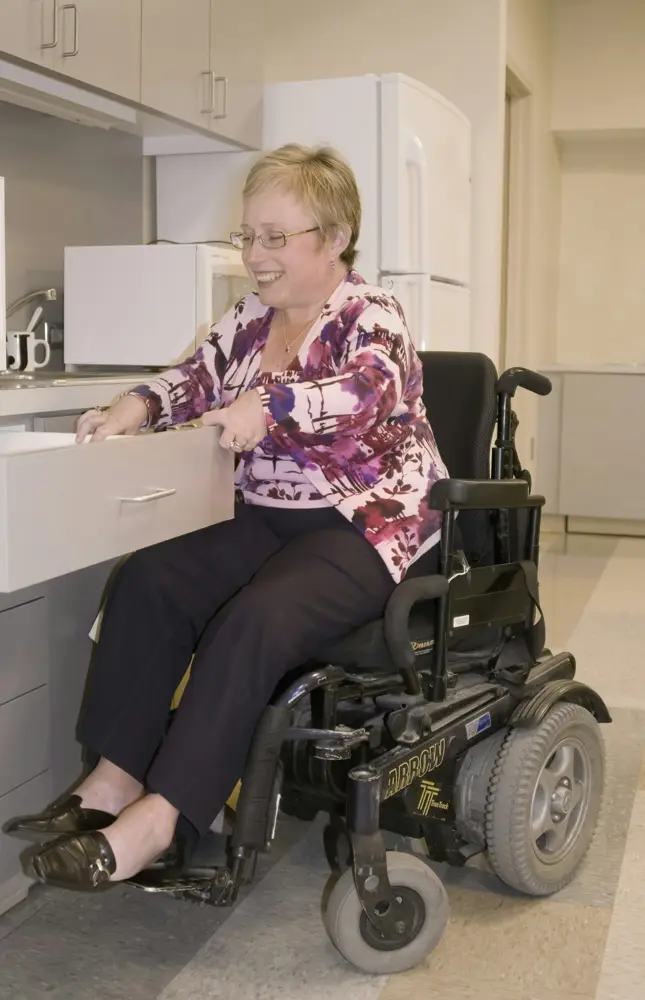
Imagine walking through your kitchen without bumping into anything – that’s what accessible design is all about. Your NDIS plan sets aside a special capital budget for these changes.
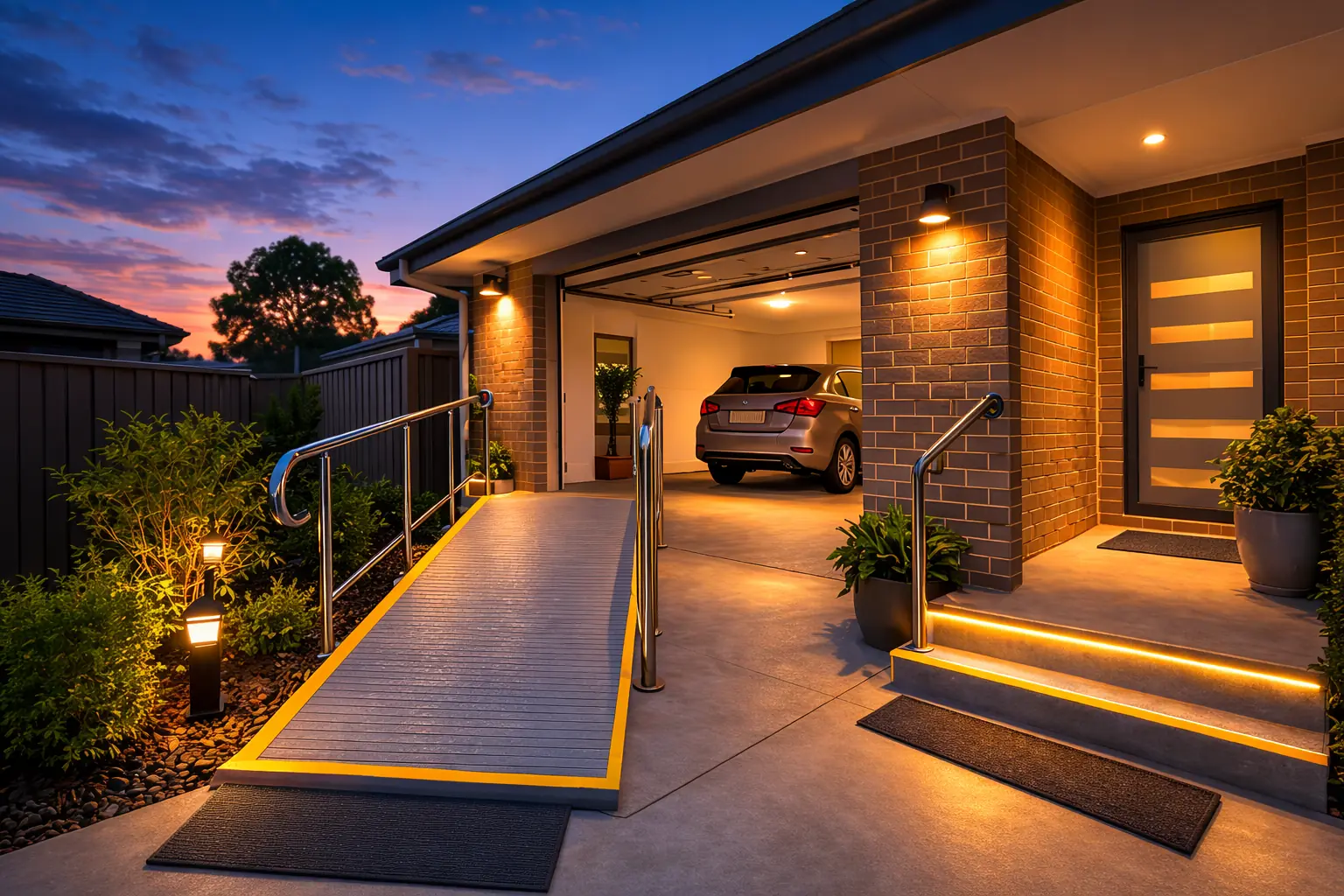
For example, if high benchtops or tight cupboards are an issue, your plan could cover lowering counters or installing pull-out shelves so you can reach everything easily. Think ramps and widened doorways too – those would come out of the same pot. Whether it’s minor tweaks or bigger renovations, the money comes from your home modifications budget.
To keep things clear, here’s a cheat sheet of the NDIS home modification categories:
| Modification Category | Example Modifications | Funding Approach |
|---|---|---|
| Minor A (under $10K) | Grab rails, lever taps, simple ramps | Fixed budget (approx. $10,000 cap) |
| Minor B ($10K–$20K) | Standard bathroom upgrades, larger ramps | Fixed budget (up to ~$20,000 cap) |
| Complex (>$20K) | Major renovations (e.g. rebuilding a bathroom, structural changes) | Custom funding (quotes & approvals required) |
As you can see, minor home modifications (up to about $20K) get standard budgets and usually don’t need you to shop for prices. Complex jobs over $20K require more paperwork: you’ll gather two builder quotes and an OT assessment. In plain terms, if your project is under $20K, NDIA assigns a lump sum budget – no quotes needed. For anything bigger, you’ll need to gather quotes, get approval, and that’s when more detailed planning kicks in.
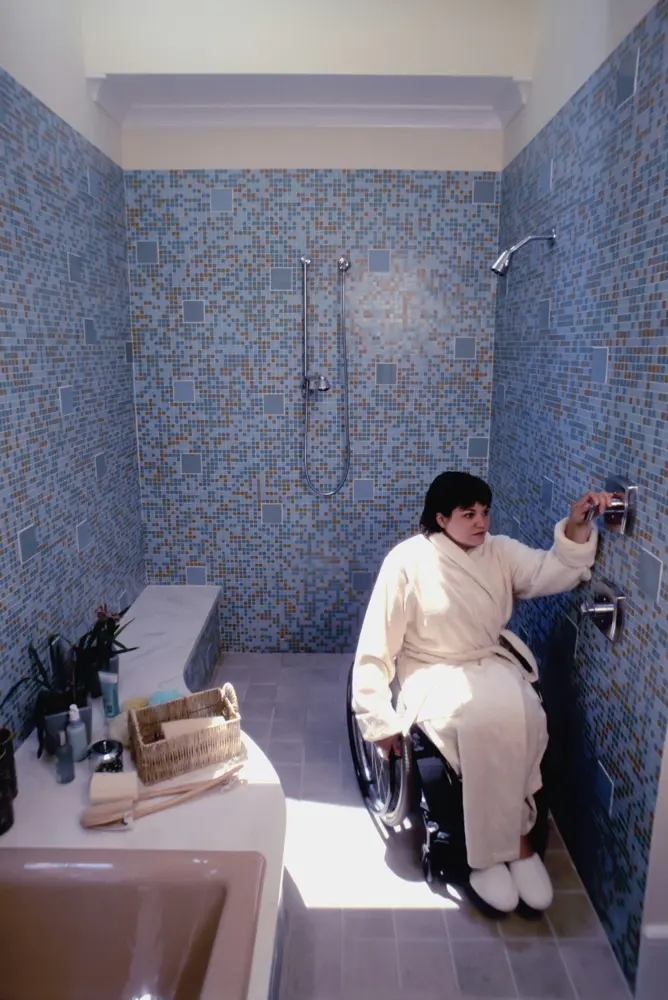
Many home modifications are probably already on your radar. Accessible bathrooms top the list. You could swap your normal shower for a walk-in or roll-in design with a seat and handheld tap (like the one shown above). Grab-bars around the toilet and shower, non-slip flooring, and even accessible bathtubs are all things NDIS often funds. For example, making a bathroom wheelchair-friendly is one of the custom changes the scheme covers – it’s all spelled out on the official NDIS website. Other common mods include:
The image above shows another example: a bathtub with a side door or built-in seat can be funded to replace a high-sided tub. These kinds of modifications – lowering a bath side, adding rails, or installing a special accessible bathtub – are usually covered by your NDIS plan. (NDIS covers standard accessible fixtures; if you want luxury finishes beyond that, you might pay the extra cost yourself.)
Getting the funding approved is all about planning and evidence. Here’s a straightforward path many people follow:
At each step, remember: you’re the driver. Treat the OT and builder like your pit crew. Once the funding is in your plan, those ramps, rails and rails will practically jump out of the page into your home.
There you have it – NDIS funding isn’t just for fancy gadgets or therapy, it can literally transform your living space. Whether you need a ramp, railing, kitchen tweak or an entirely new bathroom, you’ve learned how to bring it up in your plan and get it approved. Don’t let the bureaucracy scare you; think of it as a puzzle you now know how to solve.
The key is to start the conversation with your planner, get that OT assessment, and follow through with the quotes. With NDIS funding on your side, the cost of those home mods doesn’t have to come out of your pocket.
Now go ahead – reach out to your NDIS coordinator or OT and turn those “one day” ideas into “day one” reality. If you found this guide helpful, share it with a friend who might need it, and get those accessible changes rolling!
Q: Am I eligible for NDIS home modifications funding?
A: If you’re already an NDIS participant with a current plan, and the changes are considered reasonable and necessary to meet your disability needs (like improving safety or independence), then you qualify. Usually an occupational therapist will confirm why the mods are needed, and NDIA will add the funding to your plan.
Q: What kinds of home modifications are covered?
A: Lots of things fall under home mods. Ramps and platform lifts for doors, wider doorways, grab-bars in bathrooms, lowered or pull-out kitchen shelves, lever taps, and more. Basically, structural changes or fixtures that make your home accessible can be funded. (General home upkeep, like new carpet or a non-accessible reno, is not covered.)
Q: How much funding can I get for home modifications?
A: NDIS uses budget categories: under $10K (Category A) and $10–$20K (Category B) are fixed-budget cases. That means small jobs get a set amount. For jobs over $20K (complex mods), NDIA will look at quotes and approve accordingly. In practice, you get enough to cover typical costs up to those limits. If you want anything fancier (like very high-end finishes), you might have to chip in some extra money.
Q: I rent my home. Can I still get funding?
A: Yes. Renters can get modifications funded if they intend to stay in the home and have their landlord’s permission. The NDIA expects you to have a lease of at least six months. Minor mods (like grab bars or a temporary ramp) are usually fine; anything major will require clear approval from your landlord as well.
Q: How do I actually apply for this funding?
A: Bring it up in your next planning meeting. NDIS can include a home modifications assessment in your plan. Then get an OT to do the detailed assessment and (if needed) builder quotes. Submit everything to the NDIS and, if approved, the funds will be in your plan. Basically follow the steps above, and keep copies of reports and quotes so nothing falls through the cracks.