
January 22, 2026

Finding the right floors for a wheelchair is more than a style call – it’s about freedom of movement. Picture, you’re easing along in your wheelchair, eyeing that cozy living room carpet or sleek timber floor. The subtle choice between a plush rug and a polished oak plank can change your day.
In a city like Melbourne, where sunny days and cool nights are part of life, flooring also needs to balance warmth, safety and design flair. Whether you’re a young professional outfitting your home or caring for an older family member, the wrong flooring can make each roll feel like an uphill battle. It’s worth getting it right – after all, nobody wants to feel like they’re wrestling a shag-pile rug when they should be gliding across the room.
Designing accessible spaces means thinking “long haul,” not just “nice view.” The flooring underfoot affects everything from wheel traction to ease of cleaning. As part of broader home adaptations, choosing the best flooring is one of many accessible home modifications for elders and disabled (think ramps, widened doorways, and easy-to-reach switches) that can turn a house into a true sanctuary.
When planning a renovation or a new build with wheelchair comfort in mind, you’ll want to consider factors like wheel resistance, slip resistance, and threshold heights. These details help form a seamless, barrier-free path from room to room – so your wheels don’t get hung up on edges or messy grout lines.
When it comes to carpet, imagine sinking your feet (or wheels) into a warm hug of textiles. Carpet can be inviting, adding sound insulation and cushioning. For a loved one who might use both a wheelchair and a walking frame, a low-pile carpet offers traction underfoot and a softer landing in case of a tumble.
In Australian bedrooms and living areas, we love a nice rug underfoot – it just feels homely. However, too much fluff spells trouble. Thick or plush carpets increase rolling resistance; it’s like pushing through the beach sand rather than rolling on pavement. A wheelchair wheel can easily get bogged down in a high shag or crushed pad, making movement a chore.
To get the best of both worlds, pick a tight, low-pile loop carpet that’s anchored firmly to the subfloor. Commercial-grade carpets often have a flatter profile that keeps wheels rolling smoothly. (Pro tip: avoid fluffy carpet pads – they compress and can make you feel like you’re in quicksand.)
You can still enjoy carpet’s coziness by using thin area rugs, but secure them with non-slip tape and choose ones with bound edges. This way, you keep the warmth underfoot but avoid little rug ripples under your wheels.
Key carpet takeaways:
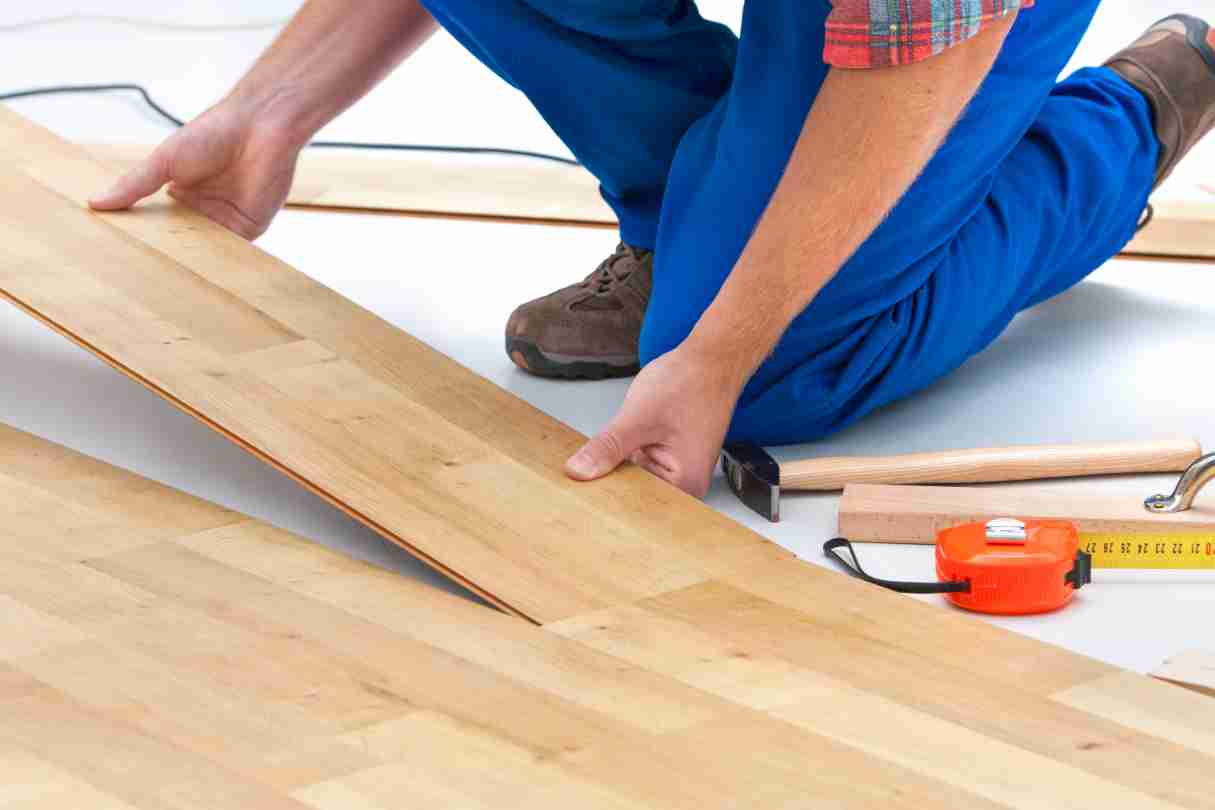
Wood floors often win the accessibility game. Whether engineered timber or solid oak, hardwood floors offer a sleek, even surface that a wheelchair can glide over easily – almost like skating. A well-sealed wood floor won’t flex under weight, and wheels won’t dig in. Many modern Melbourne homes boast light maple or warm oak floors that look great while being practical. If a chair wheel passes, no dirt hides in carpet fibers; spills are easy to wipe up.
On the flip side, hardwood can be unforgiving. It’s like wearing stilettos on concrete: falls are harder, and bare feet get cold in winter. A polished surface can also get slippery, so many experts recommend a matte or textured finish for some grip.
Wood can scratch or dent under years of rolling; it’s wise to pick a harder species (think Australian Jarrah or Oak over soft pine) and perhaps even commercial-grade engineered wood. Some wheelchair users opt for bamboo or cork floors – these have a bit more give than solid wood and are still smooth for wheels.
Ultimately, hardwood’s pros are its durability and style. It’s easier to keep wheelchair tracks looking new by adding felt glides to chair legs or regular recoating. Here’s how hardwood stacks up versus carpet in a nutshell:
| Factor | Carpet | Hardwood |
|---|---|---|
| Ease of rolling | Low pile may roll OK; plush pile resists | Excellent rollability on smooth, level wood |
| Cushioning / comfort | Very cushy and warm underfoot | Hard underfoot; add rugs/pads in spots for warmth |
| Safety / slip resistance | Good for falls, but rugs can trip wheels | Harder falls risk; choose matte or textured finish |
| Maintenance (cleaning) | Traps dust and spills; needs vacuuming | Easy wipe-clean; watch for scratches and moisture |
| Durability | Wears down and stains | Can dent or scratch; harder woods last longer |
| Style / design flexibility | Wide variety of colours/patterns | Timeless, sleek look; many wood tones |
| Noise insulation | Quiets footsteps and echoes | Can echo; consider rugs or padding in rooms |
If carpet and hardwood still seem tricky, you’re not out of luck. There are other popular wheelchair-friendly floors worth a glance. Luxury vinyl planks or tiles mimic wood or stone but with a little give under wheels – making them both smooth and water-resistant. They often have an embossed texture to avoid slipperiness. Laminate flooring is another wood-look option; it’s usually cheaper, easy to install, and provides the same even surface as hardwood. These floors come in planks that click together, so transitions between rooms can be seamless.
Ceramic or porcelain tile can work if chosen carefully. Large tiles mean fewer grout lines (and fewer gaps for tiny wheels to catch), but very large tiles may crack under a heavy castor turning sharply. A lightly textured tile with R10+ slip rating (often required in Aussie codes for wet areas) can be safe. Keep tile in cooler areas like kitchen or bathroom – it stays cool (good in summer) but chilly in winter.
A quick note on transitions: mixing floors (say, carpet in one room and wood in another) is common, but a tiny lip or thick threshold is a trip hazard for wheels. Aim for flush transitions or gentle ramps between materials. In fact, building accessibility rules suggest floor level changes no more than about 5mm – think the thickness of a coin – so wheels don’t snag. If you do use area rugs in a multi-floor home, secure them with double-sided tape or non-slip underlay, and use flat binding, to keep every roll buttery smooth.
Beyond carpet or wood, consider overall safety and ease of use. Wheelchair users also need room to maneuver: a wide, unobstructed path and plenty of turning circle (around 1500mm space for a 360° pivot in living areas). Light changes and colours on floors can be subtle cues for partially sighted folks. Good lighting highlights any small bumps or edges. In bathrooms or entryways, slip-resistant flooring is a must (to meet Aussie standards like AS1428 for access).
Remarkably, Australia’s disability housing guidelines often fund wheelchair-friendly floors as part of home mods. The NDIS (National Disability Insurance Scheme) specifically mentions upgrading to durable flooring like vinyl planks in key rooms to help wheelchair mobility. This underscores a simple fact: smooth, level floors are a cornerstone of accessible design.
Finally, remember that maintenance matters. Hardwood needs occasional refinishing; vinyl may need complete replacement after many years. Whatever you choose, add felt pads to furniture legs, keep paths clear of clutter, and check wheels regularly for wear. A smart design is one you can easily maintain – because floors do more than look good. They carry us through life’s journeys, one roll at a time.
In the end, there’s no single “perfect” floor – it’s about what works for you. If you like wood aesthetics and ease of cleaning, a quality timber or vinyl plank might be ideal. If comfort and warmth are paramount, a low-pile carpet or secured rug can be good in zones where you transfer frequently. Mix and match if you like – just keep those thresholds tiny and the transitions smooth. Your home should fit your life, not slow it down.
Choosing the best flooring for wheelchair use comes down to balancing comfort, mobility, and lifestyle. Smooth, hard surfaces generally allow the easiest movement, while low-profile, well-secured carpets can offer cozy support. By keeping floors level, slip-resistant, and well-maintained, you turn every room into an accessible, welcoming space. Whether you’re refurbishing a Melbourne flat or renovating a family home, these flooring tips will help you roll out the red carpet (or hardwood!) for independence. Happy renovating – and may your wheels glide as smoothly as your morning coffee.
A: Generally, hardwood (or similar hard floors) is easier for wheelchairs because it rolls smoothly and offers less resistance. Carpets can work if they’re low-pile and securely fixed, but they do require more effort to push on. In many cases, a hard floor with a small, thin rug where needed is a happy compromise.
A: Any flooring can show wear over time. Solid hardwood may scratch or dent from repeated wheel friction, especially at turning points. Vinyl and laminate are often more durable and scratch-resistant. You can minimize damage by choosing harder woods (like oak or jarrah), using protective mats or pads, and regularly cleaning so grit doesn’t grind the finish down.
A: Look for commercial-grade, low-pile loop carpets in a tight weave. Thin carpets (under 6mm thickness) laid on firm padding are key. Avoid fluffy or high-pile rugs, and don’t use thick underlay. Rugs should lie flat with strong tape or underlay to prevent any edges from catching wheels.
A: Tiles can work if they’re smooth and large, with minimal grout lines, but they can be hard on skin and prone to cracking under heavy load. Concrete is very smooth and low-maintenance but can feel cold and need sealing for moisture. Often, people choose vinyl or laminate that mimics these looks but adds warmth and comfort.
A: Yes, mixing is fine if you manage transitions carefully. Try to keep level changes at 5mm or less, and use gentle slopes or ramps if there’s a bigger difference. Using similar colors or textures helps visually connect spaces. Many homes use vinyl or wood in the living areas and carpet in bedrooms; just ensure the edges between them are flush or tapered.