March 9, 2026

Ever had a scare watching your parents or grandparents shuffle down a dark hallway? I sure did. My mum nearly took a tumble one night, and it shook me up. Turns out, small tech like motion sensors can make a huge difference.
In Australia almost 1 in 4 older adults (65+) fall each year, often right at home, leading to serious injuries and even hospital stays. The good news? Motion sensors are like silent guardians; they can light up dark corners, call for help after a fall, and even keep an eye on loved ones when you’re not there. This isn’t science fiction; it’s everyday tech making life safer for seniors.
Falls are not just embarrassing; they’re a health crisis for seniors. A slip in the bathroom or trip over a rug can mean fractured hips or wrists, long hospital stays, and a loss of confidence.
In fact, falling once often makes older folks afraid to move, which ironically leads to more weakness and even more falls. Many falls happen at home 6 out of 10 occur indoors. Poor lighting, loose rugs, and busy wires are common culprits.
Imagine navigating your hallway at 2 AM without fumbling – it’s scary! For Melbourne families, this risk is real. We all want our loved ones to live independently, but incidents like my mum’s wake us up. That’s why simple solutions matter.
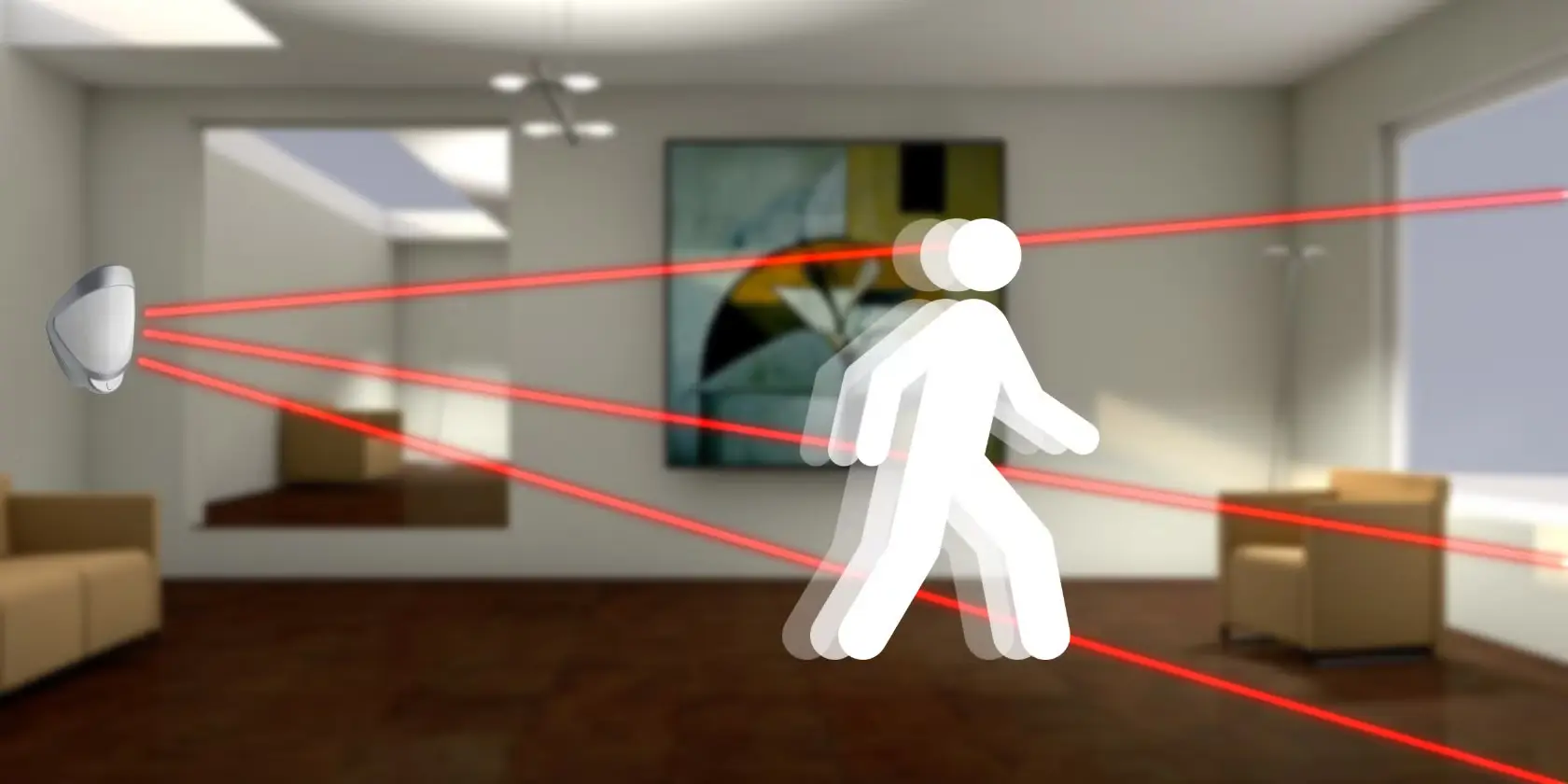
Think of motion sensors as electronic eyes or ears. The most common type is passive infrared (PIR): these detect changes in heat and movement. Walk into a room, and the sensor notices your body heat and triggers something: a light, an alarm, or a notification. There are also microwave and ultrasonic sensors, but PIR is widely used for home safety.
Other gadgets blend this tech differently. For example, some homes use smart cameras with fall detection; they watch an area and use AI to spot if someone goes down. There are even floor mat sensors: step on them and the light comes on, or if someone lies on it unexpectedly, it sends an alert.
Wearable devices like emergency pendants and smartwatches also have motion sensors built in. For instance, a fall-detection watch has accelerometers to sense a hard fall and can call emergency contacts automatically.
In plain terms, these sensors know when something unusual happens. It’s like having a “6th sense” in the house. They work all the time, quietly watching. And because they’re smart, they don’t scream and shout at every little movement – modern sensors learn normal routines.
Let’s break down the magic:
You might picture a network: PIR sensors on ceilings in hallways and bathrooms, a smart camera in the living room, and maybe a pendant on your elderly relative. If the sensor in the hall notices movement at 3 am, it can light up the hall and record video for two minutes after – all while notifying a family member or call center. No button pushing needed.
Even voice assistants like Alexa or Google Home can tie in. You could say, “Alexa, show me who’s in the kitchen”, and have a wireless sensor-camera relay. Or set routines: motion at the front porch could make an indoor night-light switch on, preventing trips on the mat.
All this tech might sound complex, but the goal is simple: make the home environment smart enough to prevent falls or rapidly respond if one happens.
Today’s market has tons of options. Here’s a quick rundown in table form:
| System | Function | Best For | Considerations |
|---|---|---|---|
| Wearable Fall Alert | Detects falls via body sensors and GPS, auto-calls contacts | Active seniors, indoors/outdoors | Must remember to wear & charge; occasional false alarms |
| Fixed PIR Motion Sensors | Detects movement; triggers lights or alarms | Indoor monitoring (hallways, rooms) | Needs installation & power/battery; coverage limit per sensor |
| Smart Cameras | Video monitoring with AI fall detection | Comprehensive home surveillance | Privacy concerns; needs Wi-Fi & possibly subscription |
| Motion-Activated Lights | Turns lights on/off with motion | Nighttime halls, bathrooms, closets | DIY-friendly; only covers lighting (no alerts) |
| Bed/Chair Sensor Pads | Pressure sensors alert when someone stands up | Bedroom, living room chairs | Can alert before fall; limited to bed/chair area |
(Table: Comparing common senior safety options)
For example, battery-powered plug-in motion lights (seen at the bottom of beds or on walls) are super cheap ($20-$50) and stop midnight blackouts. One tech-savvy Melbourne neighbor even rigged his kid’s Lego nightlight with a PIR sensor, because “if it works for Paw Patrol, it’ll work for Grandma!” On the other hand, professional systems like Sensio’s RoomMate (a ceiling sensor array) provide continuous monitoring in aged-care homes.
For more advanced setups (whole-home monitoring, linking multiple rooms to a single service), you might call in pros. This is where top house renovator Melbourne comes in handy.
You don’t have to be an electrician. Some things are plug-and-play:
If you’re renovating with safety in mind, a specialist can plan sensor placement in a way that blends with your home decor. They’ll know local electrical codes and can even tie sensors into a smart home hub or security system.
In fact, even the Victorian Government health advice highlights simple tech fixes: “put in motion-activated nightlights between bedroom and ensuite… put in motion sensors in bedrooms and other rooms used by people prone to fall”. It’s official advice – because these gadgets really do work.
Worried that motion sensors sound like Big Brother? Good point. It’s important to strike a balance. You choose which rooms get eyes on them. Often, sensors just trigger lights or send anonymous alerts (just saying, “no movement detected in 4 hrs” without video). Use cameras only where needed and position them at angles (you can’t see every corner in detail, but enough to spot a fall).
Always involve your loved one. Show them the devices, explain how it keeps them safe, and that they’re in control. Many seniors actually like these setups once they see how easy life gets (one friend’s dad jokes that the hallway night-light is his “magic ghost” that greets him!). At the end of the day, the safety benefits usually outweigh the discomfort of being watched a little.
Budget can vary widely:
Australian government home-care subsidies (like through My Aged Care) might help cover some devices if prescribed by an occupational therapist. It’s worth checking if your parent’s Home Care Package can fund these safety upgrades.
One perk: Unlike a new car or flashy gift, these investments pay off in peace of mind. As I installed extra lights at my parents’ place, my partner quipped: “I think your house just got a PhD in Elderly Safety.” It felt like a win knowing we were proactively guarding them, and by extension, our own future selves one day.
Motion sensors are no longer futuristic; they’re practical tools we can use today to protect the ones we love. By automatically lighting their path, detecting falls, and even connecting carers in real time, these clever devices transform an ordinary home into a safer space. For Melbourne’s older population and for any of us who want to age in place, embracing this tech is both smart and heartwarming.
So why not take that first step? Maybe start simple with a few plug-in lights or a bedside sensor. Talk to your family about where they feel safest. A quick consult with a home safety specialist (or even a friendly chat with your local renovator) could spark the perfect setup.
Let’s make sure every Aussie home is a place where seniors can live confidently and securely. After all, the greatest luxury we can give our parents is the gift of safety — all while keeping life convenient and connected.
Ready to brighten the future for your loved ones? Check out your options, ask around, and make your home a worry-free zone for seniors today.
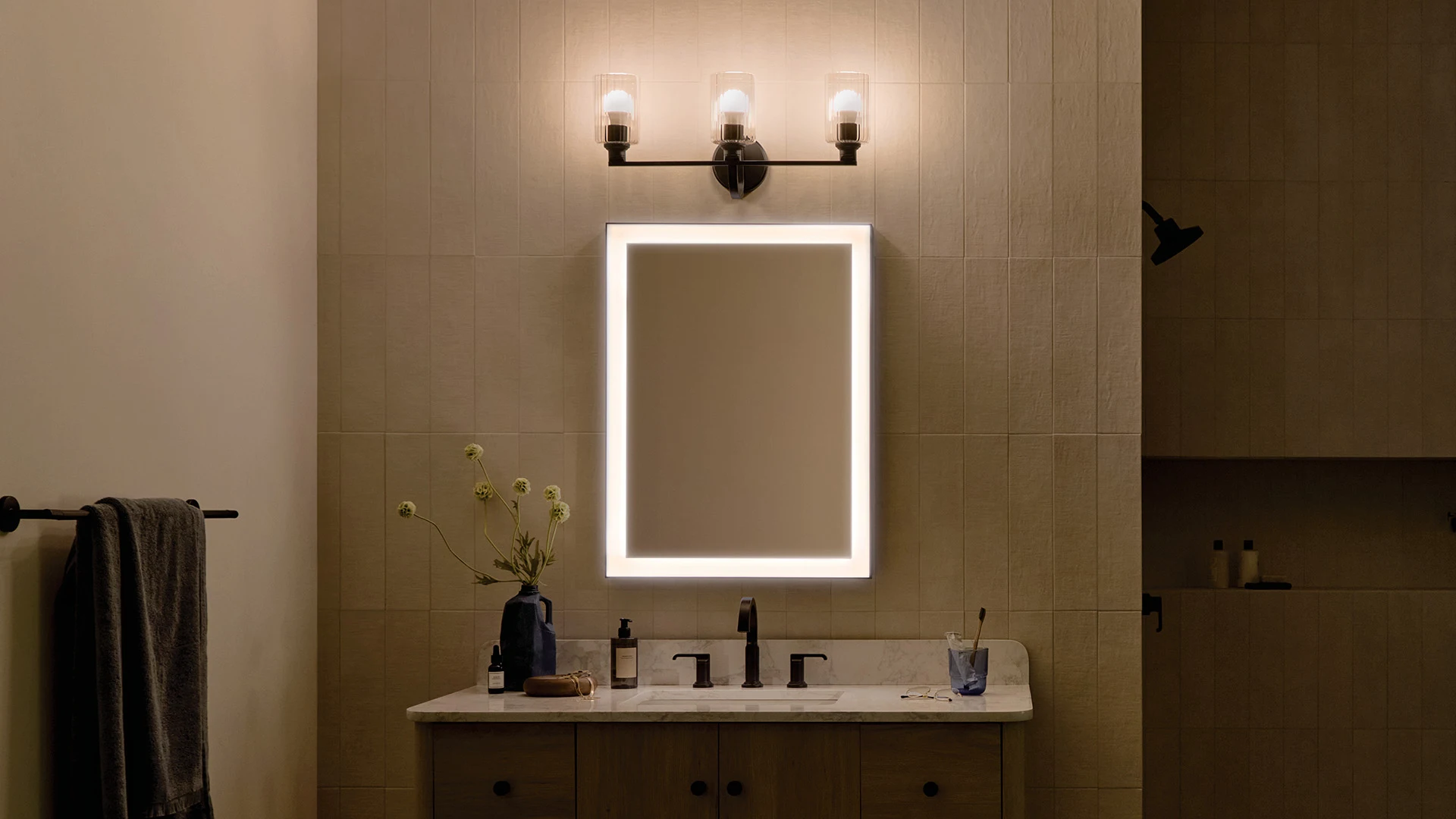
Motion sensors automatically turn on lights when someone moves through areas like hallways, bathrooms, or stairs. This helps seniors see clearly at night and avoids stumbling in the dark.
Both serve different purposes. Wearables work anywhere and can alert others during outdoor falls, while in-home sensors monitor movement inside the house without needing to wear anything.
Most motion sensors simply detect movement and do not record video or personal data. When cameras are used, placing them only in common areas helps maintain privacy while improving safety.
Focus on high-risk areas such as bathrooms, staircases, and dark hallways. Bedrooms and kitchens also benefit from motion lighting because seniors move through them frequently.
Not necessarily. Basic motion lights and plug-in sensors are quite affordable and easy to install. You can start small and add more devices over time for better safety.