February 21, 2026

You know that split second when you step into the bathroom at night, reach for the switch, and your brain runs on sleep mode while your feet keep moving. I’ve watched that moment turn ordinary bathrooms into stress zones for seniors, especially when Melbourne mornings feel grey and evenings arrive early.
I can’t make tiles less slippery with a light globe, but I can help you see the risk before you meet it. When I tune the lighting in a bathroom, I help you spot puddles, edges, and obstacles faster, without blasting your eyes.
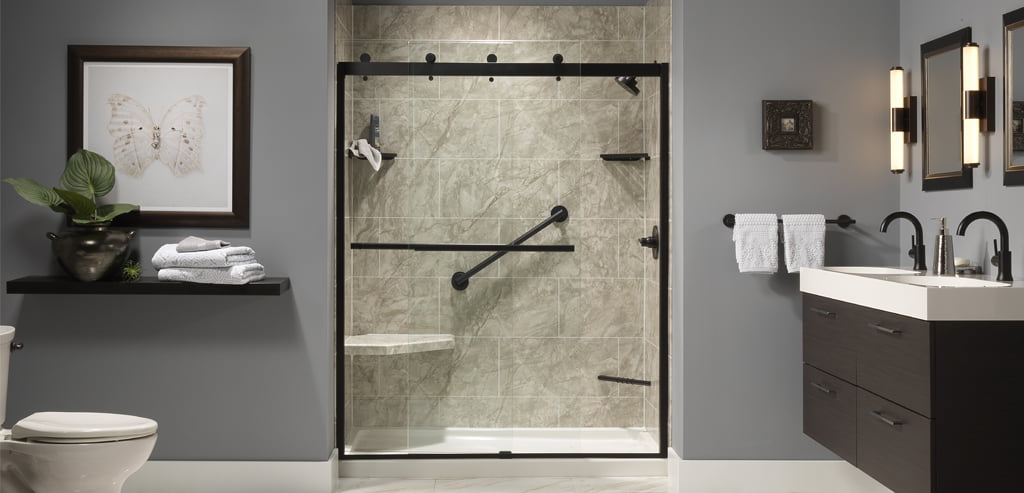
When I plan a safer bathroom, I pair smart lighting choices with practical supports like shower safety handrails, because you deserve both clear visibility and a steady grip.
I write this for young professionals in Melbourne who juggle work, family, and the quiet worry of “Are Mum and Dad safe at home?” I also write it for you if you want to age in place without turning your home into a clinic.
I’ll show you easy upgrades, renter-friendly ideas, and modern touches that still look sharp. I’ll keep the language simple, and I’ll stick to changes that actually help.
I also keep safety non-negotiable. Bathrooms count as wet areas, so I leave hardwired electrical work to a licensed electrician. I focus on safe checks and simple improvements you can do without opening anything that carries power.
I see two issues more than anything else: shadows and glare. One ceiling light can create dark pockets around the toilet and shower entry. Shiny tiles and mirrors can bounce harsh reflections straight back at your eyes. Seniors often feel both problems at once, especially if their vision changes with age.
Good Lighting supports bathroom safety for seniors in three practical ways. It helps you spot wet patches early, it improves depth judgement near a shower lip or bath edge, and it reduces rushed movement because you don’t have to guess where you step.
I walk in during the day and at night. I stand at the doorway, then at the vanity, then at the shower entry. I look for any spot where detail disappears.
| Safety check | What I look for | Quick fix idea |
|---|---|---|
| Floor visibility | I can see all the floor, including corners | Upgrade the main fitting or add a second source |
| Shadow control | I don’t see dark pockets near the toilet or shower | Add mirror lights or a wall light |
| Glare control | The mirror doesn’t flash bright reflections | Use diffusers or indirect angles |
| Night navigation | I move without searching for switches | Add a sensor night light |
| Switch access | I reach the switch from the doorway | Add a larger switch or smart control |
If you fail two or more checks, I treat it as a priority. Bathrooms don’t offer many second chances.
For a solid starting point on falls prevention at home, I follow the Victorian guidance that highlights good lighting and night time pathways.
I aim for bright, even light on the floor. I aim for clear light in the mirror. I add gentle night visibility that doesn’t shock sleepy eyes. Then I make controls simple, because nobody wants to wrestle a tiny switch at midnight.
One fitting rarely lights a bathroom well. I build layers: one main source for the room, task light for the mirror, and a low night glow for movement. This combo reduces shadows and helps seniors move with more confidence.
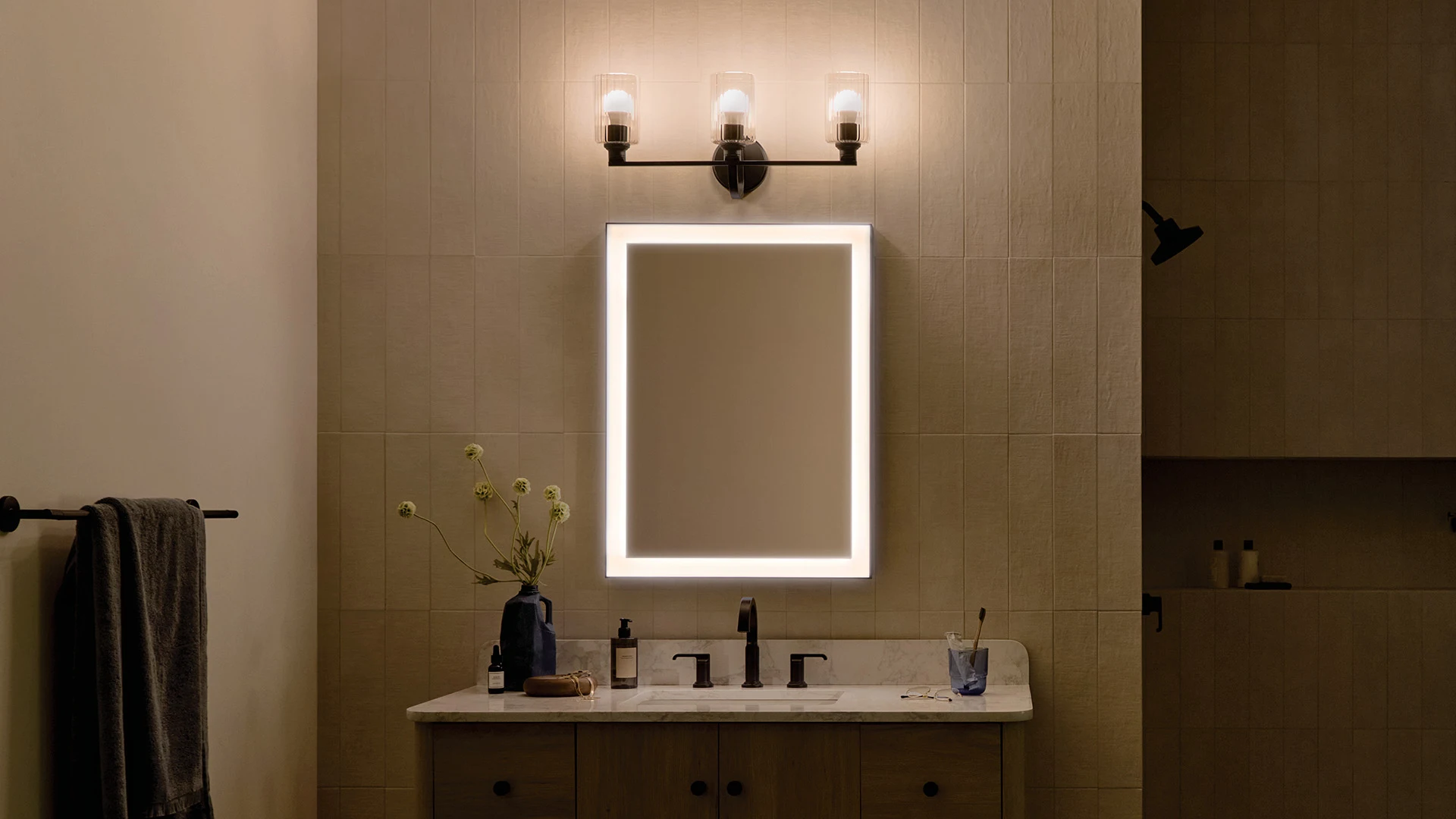
A downlight over the vanity can throw shadows under the eyes and chin. I prefer light on both sides of the mirror, or a mirror with an even ring of light around the edge. You get better grooming visibility, and you get a cleaner, more modern look.
This tip gives huge value. A sensor turns the light on automatically, and you remove the switch hunt.
I keep the night time light low and warm. I place a strip under the vanity, a plug-in night light near the doorway, or a battery sensor that points down to the floor. I avoid bright overhead lights for midnight visits, because it can feel blinding and disorienting.
Bathroom safety starts before the bathroom. I add a small sensor in the hall, or I set a dim lamp on a timer between the bedroom and toilet. In Melbourne winters, that small glow can feel like a personal assistant for sleepy feet.
I keep this simple. Warm light feels cosy but can soften contrast. Neutral white can make edges and textures easier to read.
For seniors, I often use neutral light for the main bathroom, then I add a warmer night option. A dimmer can help you suit both daytime clarity and late-night comfort.
Glare wipes out detail. In bathrooms, glare bounces off mirrors, chrome taps, and glossy tiles.
I reduce glare by choosing fittings with diffuser covers, aiming light away from direct eye level, and balancing sources so one hotspot doesn’t dominate. If you love a backlit mirror, I still check whether it lights the face evenly, then I add a second source if it doesn’t.
I treat switches like safe footwear. If you can’t rely on them, you can’t relax.
I like larger rocker switches and illuminated switch plates. I also like smart controls for people who prefer voice commands or phone control. If you rent, I stick to low commitment changes like plug-in night lights, battery sensors, and smart bulbs that fit existing fittings.
| Upgrade | Effort | Cost feel | Safety impact |
|---|---|---|---|
| Plug-in night light or battery sensor | Low | Low | High |
| Brighter main LED fitting | Medium | Medium | High |
| Mirror task lights | Medium | Medium | High |
| Illuminated switches or smart control | Medium | Medium | Medium |
Lighting can feel like a design detail, but I treat it as safety equipment for seniors. When you add layers, improve mirror clarity, reduce glare, and add a gentle night option, you make the bathroom easier to use and far less risky to navigate.
If you live in Melbourne and you want to improve bathroom safety for a senior in your life, start with one change today. Add a night sensor, then plan the bigger Lighting upgrade with a licensed electrician so the space feels calm, bright, and confident.
I use layered light: bright general light, clear mirror task light, and a soft night light. This setup helps seniors see the floor and edges without harsh glare.
Yes. Sensors remove switch hunting and give instant visibility. I keep the night level soft so it guides feet without dazzling eyes.
I place them low and near the doorway, under the vanity, or along the skirting. Low placement highlights the floor and helps seniors judge where they step.
I usually pick neutral light for daytime clarity, then I add a warmer option for night. A dimmer can handle both needs.
I use diffusers, avoid bare bulbs, and balance light sources around the mirror. I also aim lights away from direct eye level.
Yes. I use plug-in night lights, battery sensors, and smart bulbs. I also ask the landlord about upgrading the main fitting when the room stays dim.
I called a licensed electrician for hardwired changes, new fittings, and switch upgrades. Bathrooms involve water and electrical safety, so I don’t gamble.
No. I treat lighting as one part of the safety plan. I pair it with steady supports and non-slip choices for the best result.