Melbourne homes have plenty of charm. They also have a habit of hiding tight hallways, narrow frames, and doors that feel like they were designed for a different century. That might be fine when you are carrying a coffee. It is not so fine when you are moving a walker, wheelchair, pram, or even a laundry basket the size of a small moon.
Door Widening changes that. It gives you more room to move, less chance of bumps and scrapes, and a home that feels calmer, safer, and easier to live in every day. I see it as one of those practical upgrades that quietly improves everything without trying too hard to look flashy.
If you are planning a smarter home access upgrade, I recommend starting with an Expert Door Widening Service in Melbourne so you can match the doorway changes to the way you actually live.
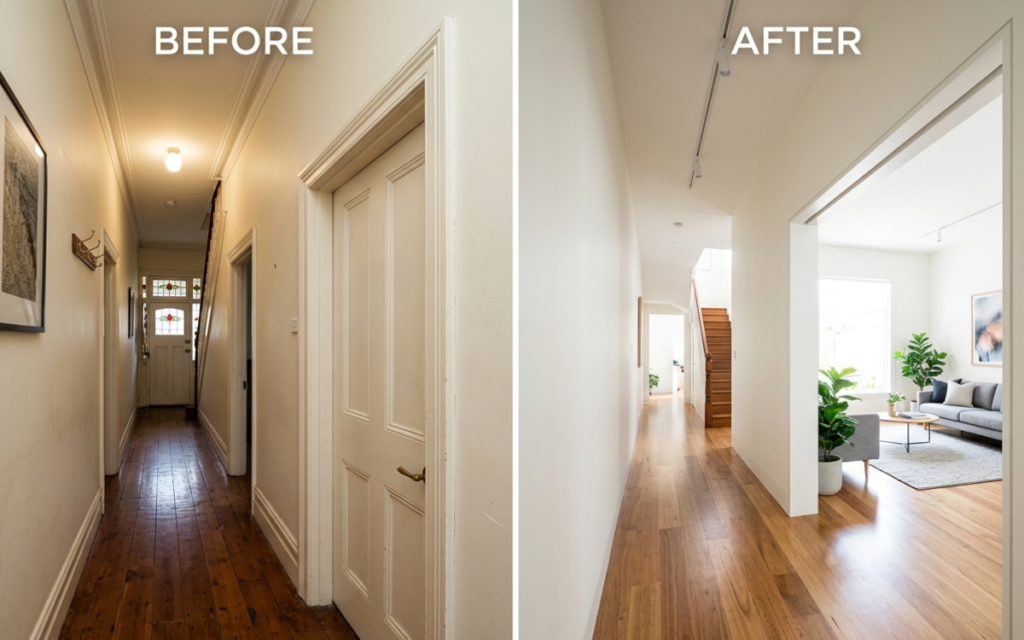
When people think about accessibility, they often picture big ramps or full-scale renovations. But sometimes the biggest win comes from a simple change to a doorway. A wider opening can reduce stress, improve independence, and make a home feel less like an obstacle course.
I have seen how a small shift in layout can make a huge difference. A parent with a child on their hip, an older adult using a frame, or someone recovering from surgery all benefit from easier movement. Door Widening is not just about mobility aids. It is about dignity, comfort, and making everyday life less of a squeeze.
In Melbourne, that matters even more because many homes were built before accessibility became a real design priority. Older homes often have awkward transitions, tight bathroom entries, and narrow internal doors. Once you start noticing them, you cannot unsee them. The house becomes a bit like a well-dressed person wearing shoes two sizes too small.
Why Door Widening Matters in a Safer Home
A wider doorway does more than help someone get through the opening. It changes how the whole room feels. Better access can reduce strain, lower the risk of knocks and falls, and make movement smoother for everyone in the house.
That matters in daily life more than most people expect. You feel it when you carry groceries into the kitchen. You feel it when you help a family member move from bedroom to bathroom. You feel it when a mobility aid needs just a little more space to turn without a drama-filled wiggle.
Door Widening also supports ageing in place. Many families want to stay in the same home for longer, and that works much better when the layout supports changing needs. A practical accessibility upgrade today can save you from a much bigger headache later.
When Door Widening Becomes the Right Move
Not every home needs the same solution. Sometimes a door widening project makes perfect sense; other times you might pair it with a different access upgrade. I usually look for these signs:
- The current doorway feels tight for a walker, wheelchair, or mobility scooter
- The frame creates awkward turns or repeated bumps
- Someone in the home needs extra support after surgery or injury
- You want a better layout for ageing parents or visiting relatives
- The home needs a more practical setup for NDIS-related or aged care access needs
If any of that sounds familiar, Door Widening deserves a serious look. It often gives you a better result than trying to “work around” a narrow entry forever. Workarounds are fine for a missed train. They are not the best long-term plan for your own front room.
What a Good Door Widening Project Usually Involves
A proper accessibility upgrade starts with measuring the space, not guessing it. I always like a careful assessment because every home has its own quirks. Some have thick walls. Some hide plumbing. Some have frames that make simple jobs feel a bit more mischievous than they should.
The process usually includes:
- Checking the current doorway and surrounding wall
- Looking at how much extra clearance you actually need
- Deciding whether the existing frame can be modified
- Confirming whether the opening suits your mobility needs
- Planning the finish so the result still looks neat and natural
This is where Door Widening becomes more than a renovation task. It becomes a usability upgrade. Good planning keeps the doorway functional, tidy, and comfortable to use every day.
For a useful government reference on home modifications, I often point people to the NDIS home modifications guidance, which helps explain the kind of changes that support safer living at home.
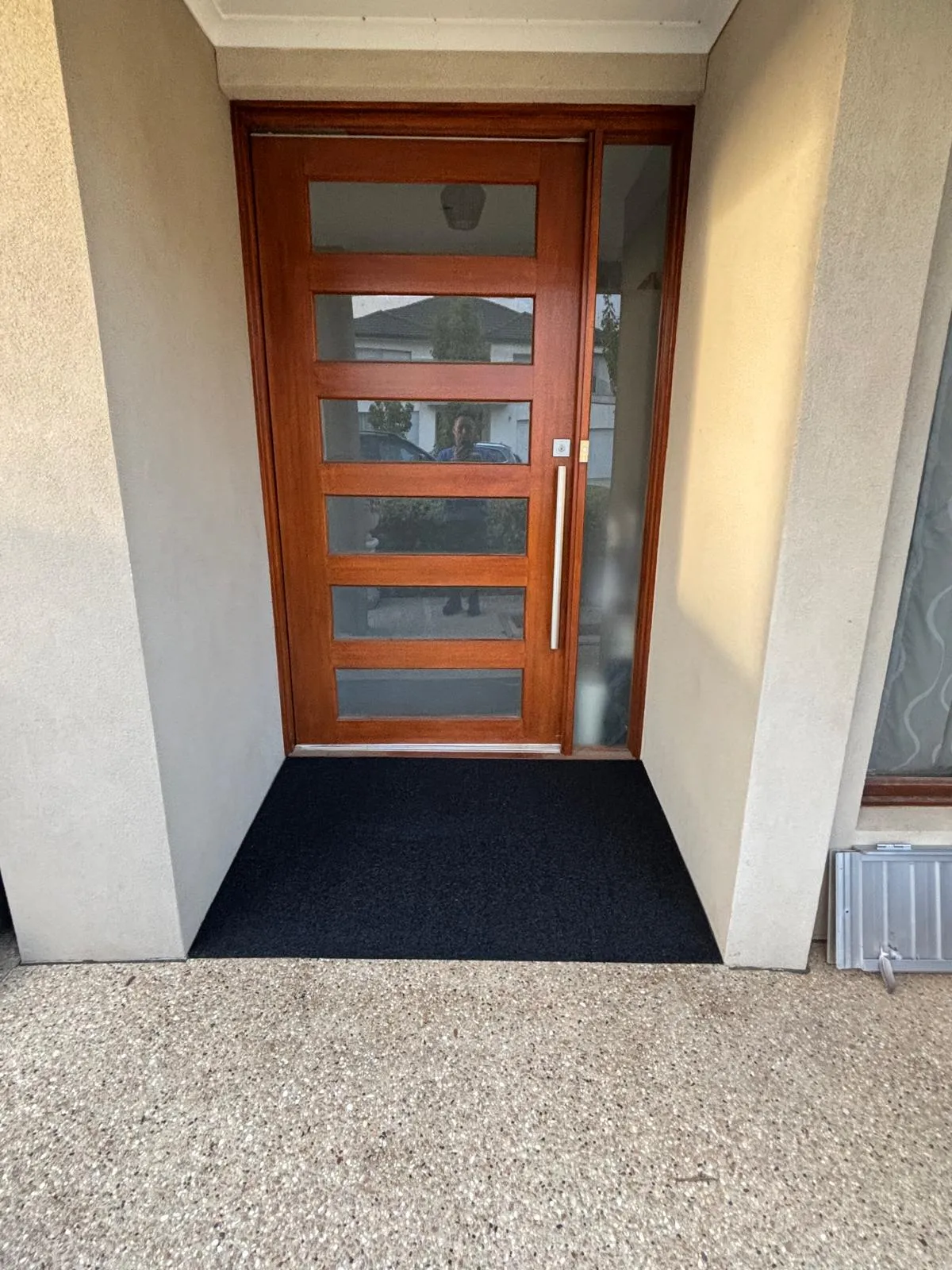
If the front entry feels just as awkward as the internal doors, I often pair expert disability access ramps service in Melbourne with Door Widening so the whole path into the home works as one smooth flow.
Which Door Changes Actually Help Most?
Not every doorway needs a full rebuild. Sometimes a smaller adjustment does the trick. Other times, a bigger opening gives you the freedom you really need.
| Option | What it does | Best for |
| Hinge adjustment | Gives a little extra clearance | Minor space issues |
| Replacing a door type | Frees up room without major wall work | Tight rooms with simple layouts |
| Full Door Widening | Increases the opening for easier movement | Wheelchairs, walkers, and long-term access needs |
| Pairing with a ramp | Improves the full access route | Entryways with level changes |
This table is a handy reminder that Door Widening does not live in isolation. It works best when you look at the whole movement path, from entry to hallway to the room itself.
Why Melbourne Homes Often Need a Smarter Layout
Melbourne has a beautiful mix of heritage terraces, post-war homes, and newer builds. The trouble is that older layouts often assume everyone moves the same way, at the same speed, with no mobility challenges at all. Life, of course, disagrees.
A smarter accessibility plan looks at how you use your home now and how you may need to use it later. That means thinking about bathroom access, bedroom access, kitchen movement, and front-entry flow. Door Widening helps connect those spaces without turning every trip into a careful negotiation with the doorway.
It also makes the house feel more open. Even when you are not using a wheelchair or walker, a better opening can make a room feel brighter and less cramped. That is the nice surprise with accessibility upgrades: they often improve the whole home, not just one person’s day.
Design Details That Make a Big Difference
Good access design does not stop at width. The finish matters too. I always pay attention to the little things because little things become daily habits.
Here is what helps most:
- Easy-to-use handles that do not fight your grip
- Smooth flooring transitions so wheels and feet move cleanly
- Enough turning space on either side of the doorway
- A door style that suits the room, not just the floor plan
- A clean finish that keeps the home looking polished, not clinical
That last point matters more than people think. You want the space to feel like a home, not a rehab centre with throw pillows. Door Widening should blend into the style of the house and still deliver serious function.
How Door Widening Supports Independence
Independence is not always about doing everything alone. Sometimes it means having a home that lets you move confidently without asking for help every five minutes.
That could mean an older person getting to the bathroom without fear of clipping a frame. It could mean someone returning home after hospital care and moving through the house with less stress. It could mean a family member with disability access needs feeling welcome in every part of the home.
That is why Door Widening matters so much. It supports freedom of movement, and freedom of movement changes how people feel about their own space. A home starts working with you instead of against you. That is a very good trade.
Choosing the Right Team for the Job
A tidy result depends on careful planning, clean workmanship, and a clear understanding of accessibility goals. I always suggest choosing someone who looks at the full picture, not just the wall in front of them.
The right team will:
- Measure properly
- Listen to your mobility needs
- Explain the options clearly
- Suggest solutions that suit the home’s style
- Leave the finish neat and practical
That approach gives you a better outcome and a lot less stress. With Door Widening, details matter. A few millimetres can change comfort, safety, and ease of movement in a very real way.
Conclusion
A safer home does not always need a giant renovation. Sometimes it starts with one well-planned doorway. Door Widening can open up daily movement, improve accessibility, and make life easier for everyone in the house.
If your home feels a bit too tight, now is the time to act. Book a professional assessment, look at the full access path, and choose upgrades that support the way you live today and the way you may need to live tomorrow. A better doorway is a small change with a very big payoff.
FAQs
1. What is Door Widening?
Door Widening is the process of increasing the clear opening of a doorway so people can move through more easily. It helps with wheelchair access, walker access, and everyday comfort.
2. How wide should a doorway be for accessibility?
The right width depends on the person’s needs, the mobility aid they use, and the layout of the home. I always suggest checking the space carefully before starting any work.
3. Does Door Widening only help wheelchair users?
No. It helps anyone who needs easier access, including people using walkers, carers supporting loved ones, parents with prams, and older adults who want safer movement around the house.
4. Can I combine Door Widening with ramps?
Yes, and that often works very well. A ramp handles the entry level change, while Door Widening improves the movement inside and around the home.
5. Is Door Widening a good upgrade for ageing in place?
Absolutely. It supports safer movement, reduces daily strain, and helps people stay comfortable in their own homes for longer.
6. Will the upgrade make my home look clinical?
Not if it is planned well. A good accessibility upgrade should look clean, modern, and natural inside the home.
7. Where should I start?
Start with a site assessment. That gives you a clear idea of what the home needs, how much space you have, and which changes will make the biggest difference.