
Rubber ramps, in placethe same day.
A rubber wheelchair ramp takes the step out of a doorway, with nothing to build or fix to your home. It is often in place the day we visit.
Barrier-free access,without the build.
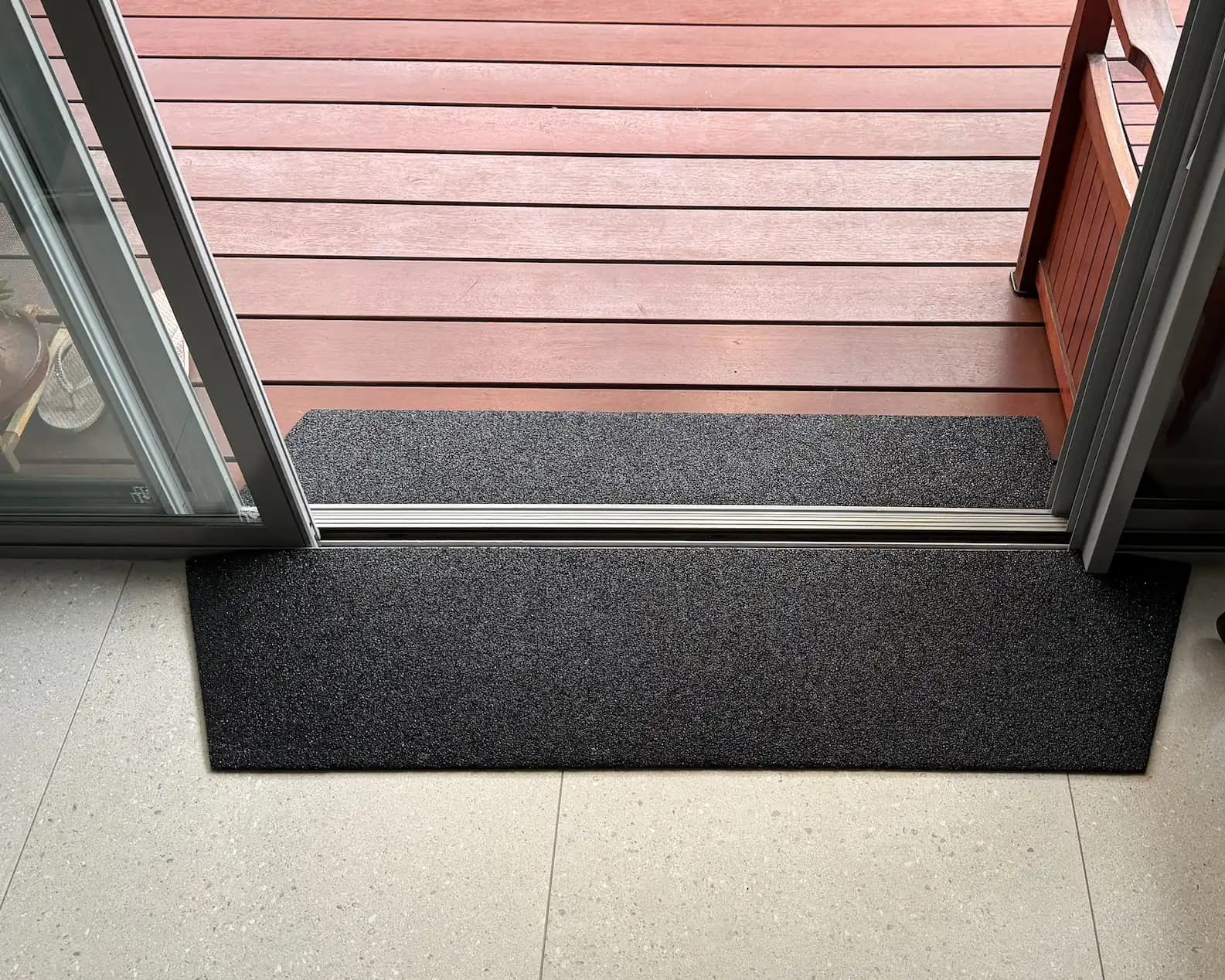
A rubber ramp is a quick, simple way to remove a small step at your door. It suits a doorway lip, a sliding door track, or a single step out to the yard.
It is made from tough, weatherproof rubber with a non-slip surface, so it works inside and out, at home or at a business. Wheelchairs, walkers, and scooters roll over it smoothly.
Nothing is drilled or glued. The ramp sits in place, so it leaves no mark and can come with you if you move.
When rubberis the right choice.
Rubber suits a small step, up to about 190mm. For anything higher, a built ramp is safer, and we will tell you so rather than sell you the cheaper job.
Doorway lips
The small lip at a front or sliding door, often 20–60mm, which stops many wheelchairs and walkers.
A single step
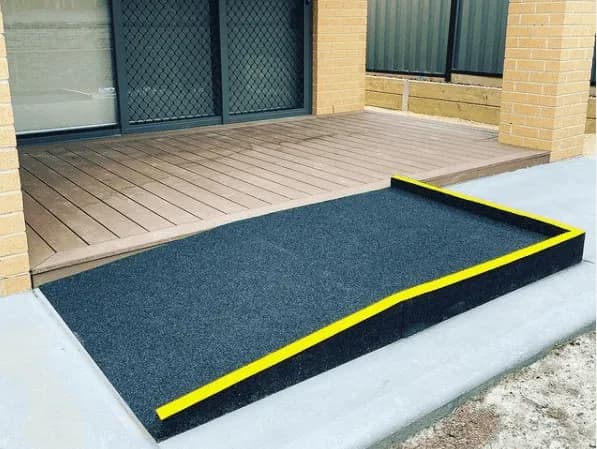
One step at a back door, a garage, or out to the yard, without any concreting.
Rentals and short stays
Nothing is fixed to the building, so it needs no permission and leaves no mark.
While you wait on funding
A ramp can be in place this week while a bigger job is being approved.
Vital Ease at a glance
- Projects completed
- 2,000+
Projects completed
- Agreements with Home Care Package and NDIS providers
- 250+
Agreements with Home Care Package and NDIS providers
- Valued customers
- 1,000+
Valued customers



Check your stepin the ramp calculator.
Enter the height of your step. It shows whether a rubber ramp suits it, or whether a built ramp would be safer.
- Minimum ramp run
- 600 mm
- Gradient
- 1:10
- 10.00% · 5.7°
- Landings part-way
- 0
- Footprint, about
- 3.0 × 1.0 m
A step ramp
For a single step up to 190 mm, no longer than 1.9 metres. A rubber ramp or a small built ramp suits. If you have the room, a 1:14 ramp is easier to push up.
| Type | Gradient | Min run | Status |
|---|---|---|---|
| General access ramp | 1:14 | 840 mm | Allowed for this rise |
| Step ramp | 1:10 | 600 mm | Allowed for this rise |
| Threshold ramp | 1:8 | 480 mm | Not suitable |
This is a guide based on the Australian Standard for access (AS 1428.1), not a design. A safe ramp also depends on its width, rails, edges, surface, and the door at the top. That is why we measure and design every ramp on site. What the numbers mean
Made to last,inside and out.
The rubber stands up to sun, rain, and everyday use, and the surface grips even when it is wet. That makes it safe for anyone with limited mobility, including wheelchair users and older people.
A bright yellow edge can be added, so the start of the ramp is easy to see in low light.
How itworks.
Home visit
We measure your step and check the ground on both sides.
A clear, fixed quote
You get a written price, set out so your plan manager, case manager, or occupational therapist can approve it easily.
Fitted, often the same day
There is nothing to build, so the ramp can often go straight in.
Backed by warranty
All work is done by licensed tradespeople and backed by the relevant warranties.
Rubber rampsin place.
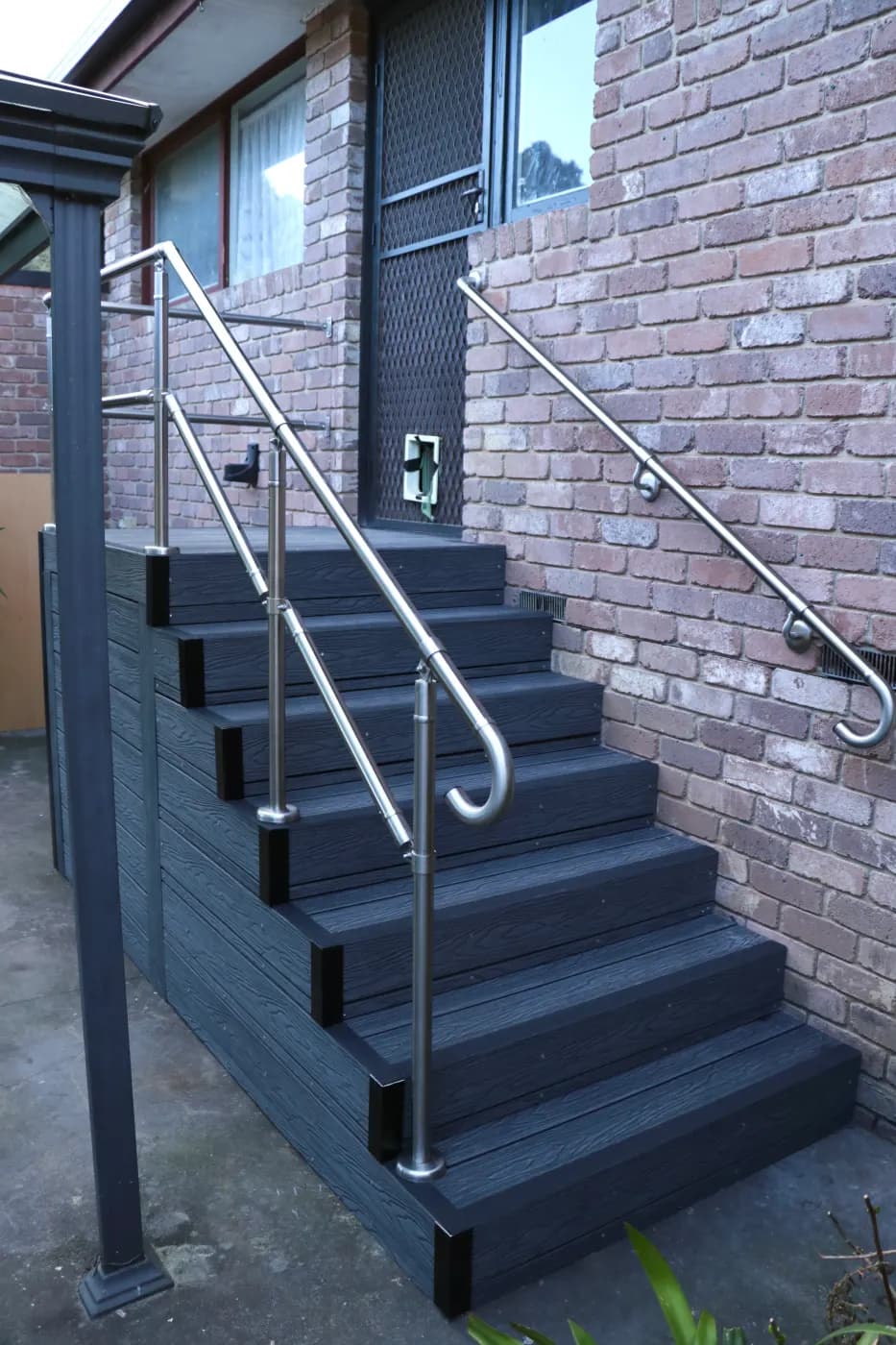
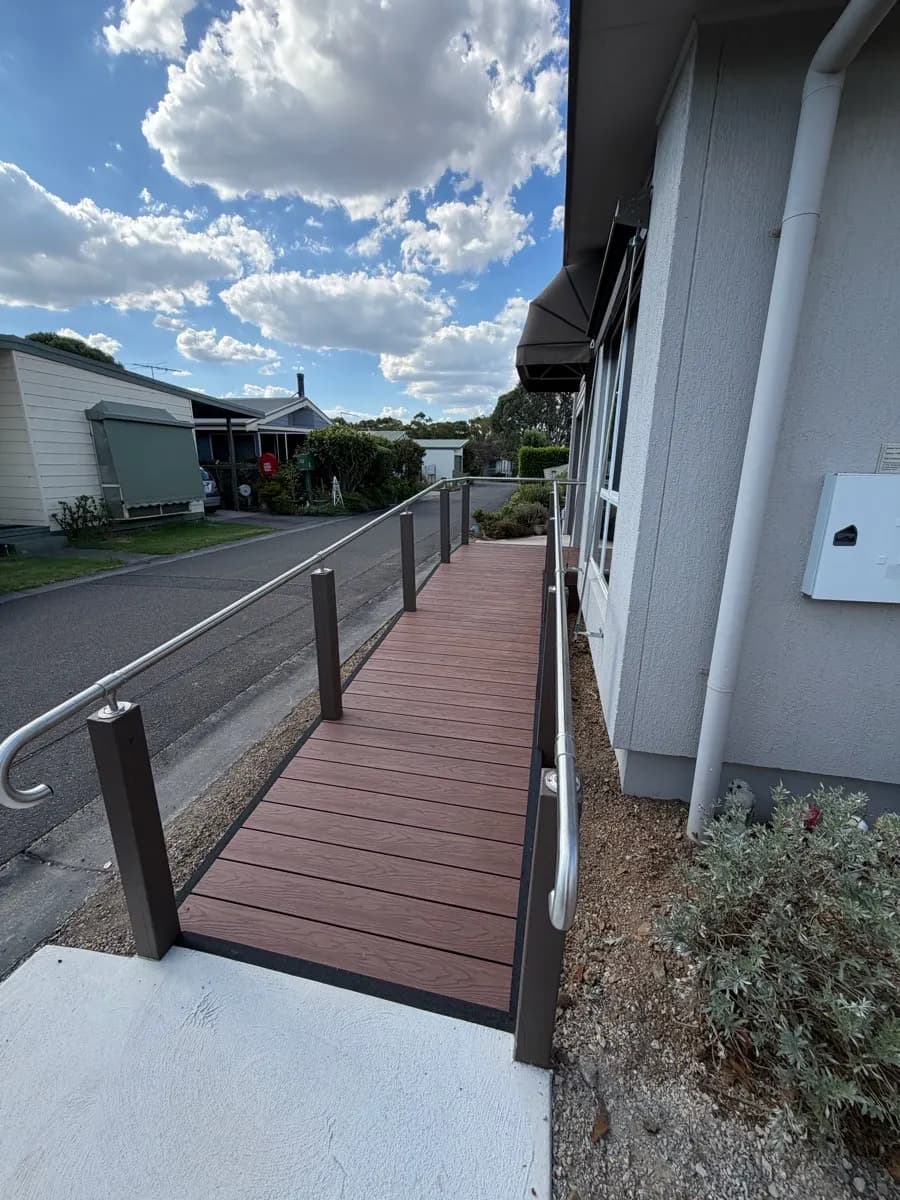
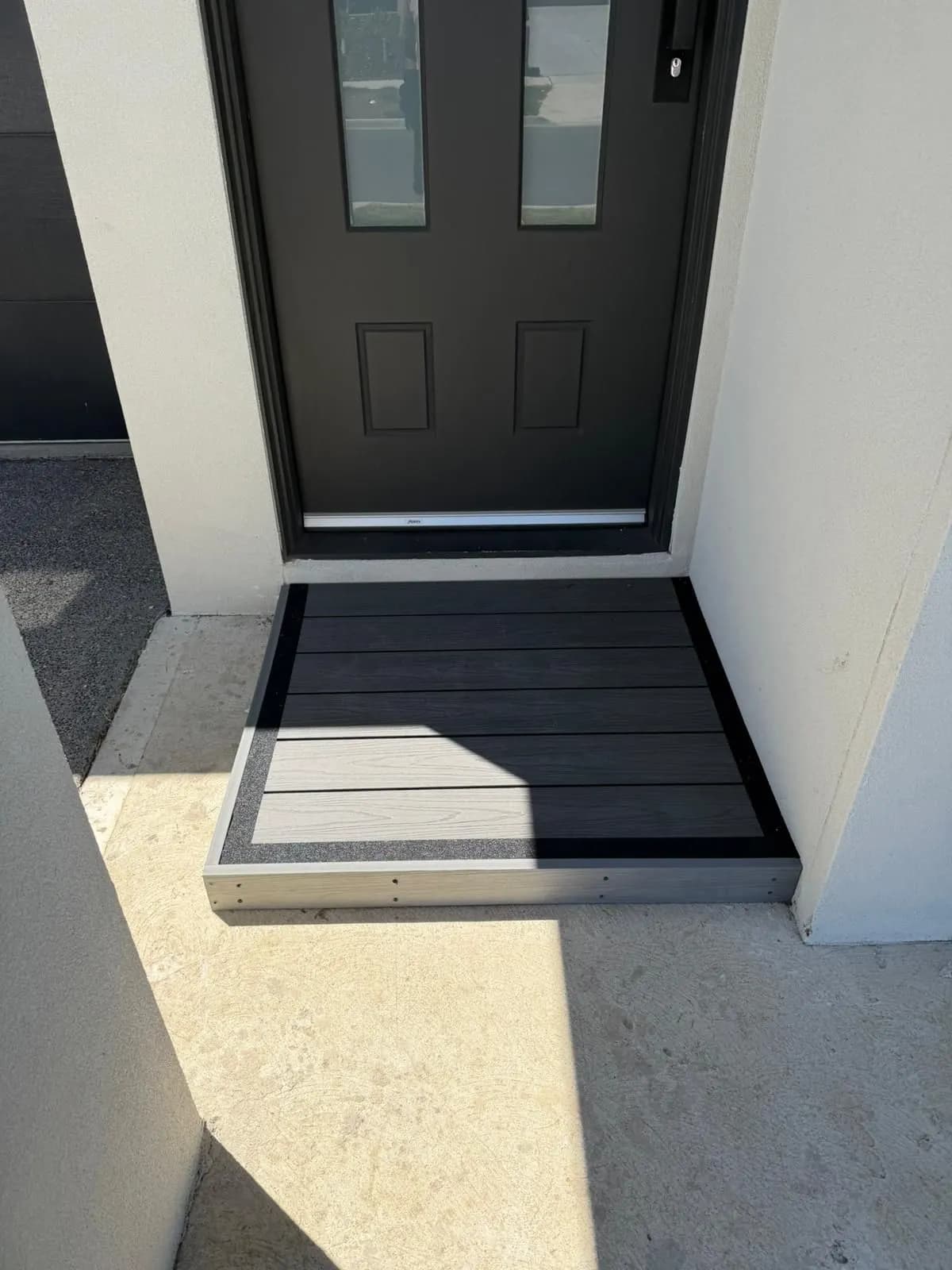
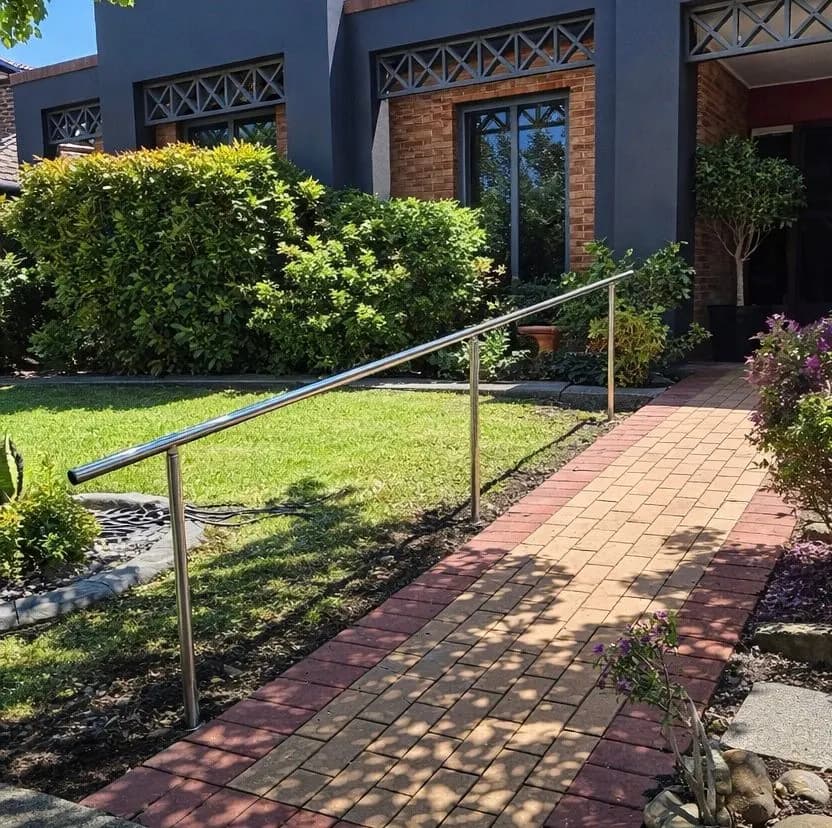
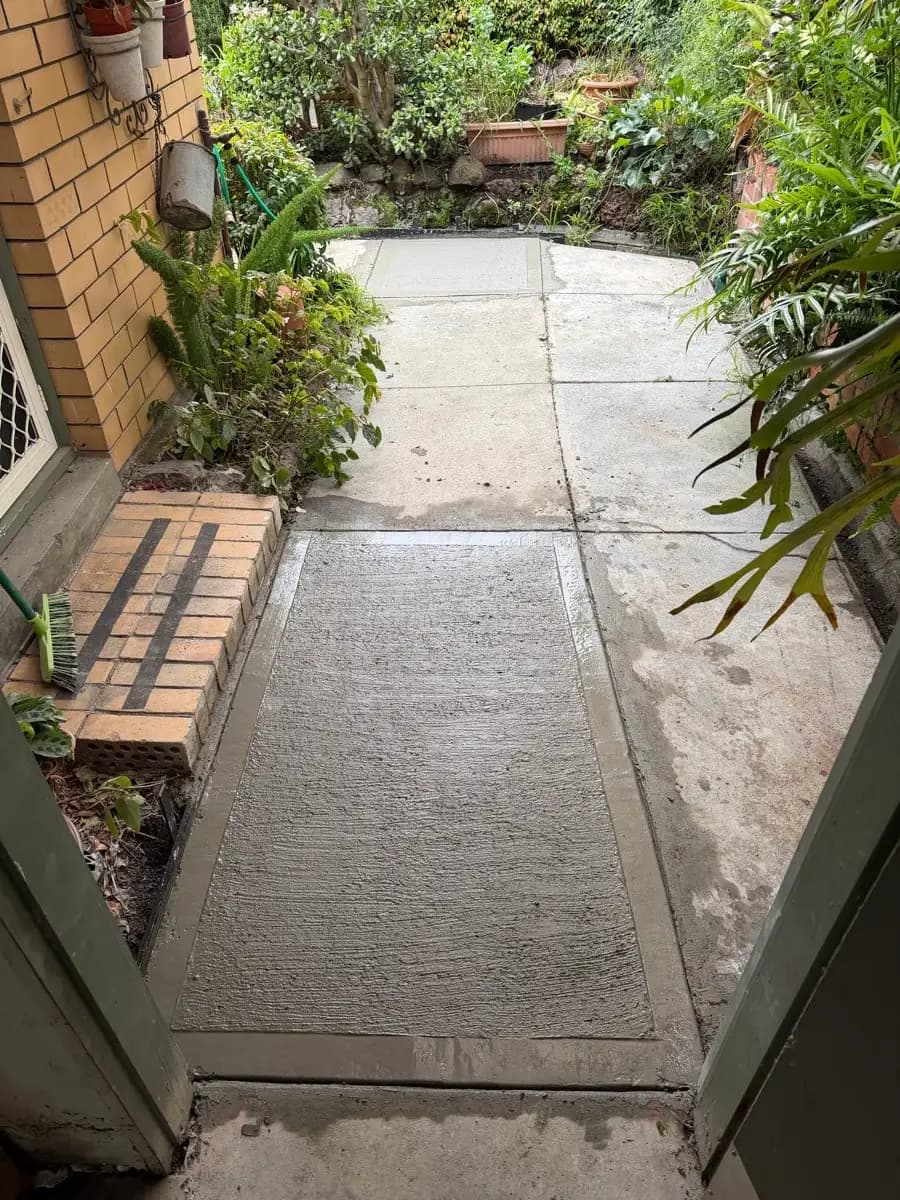
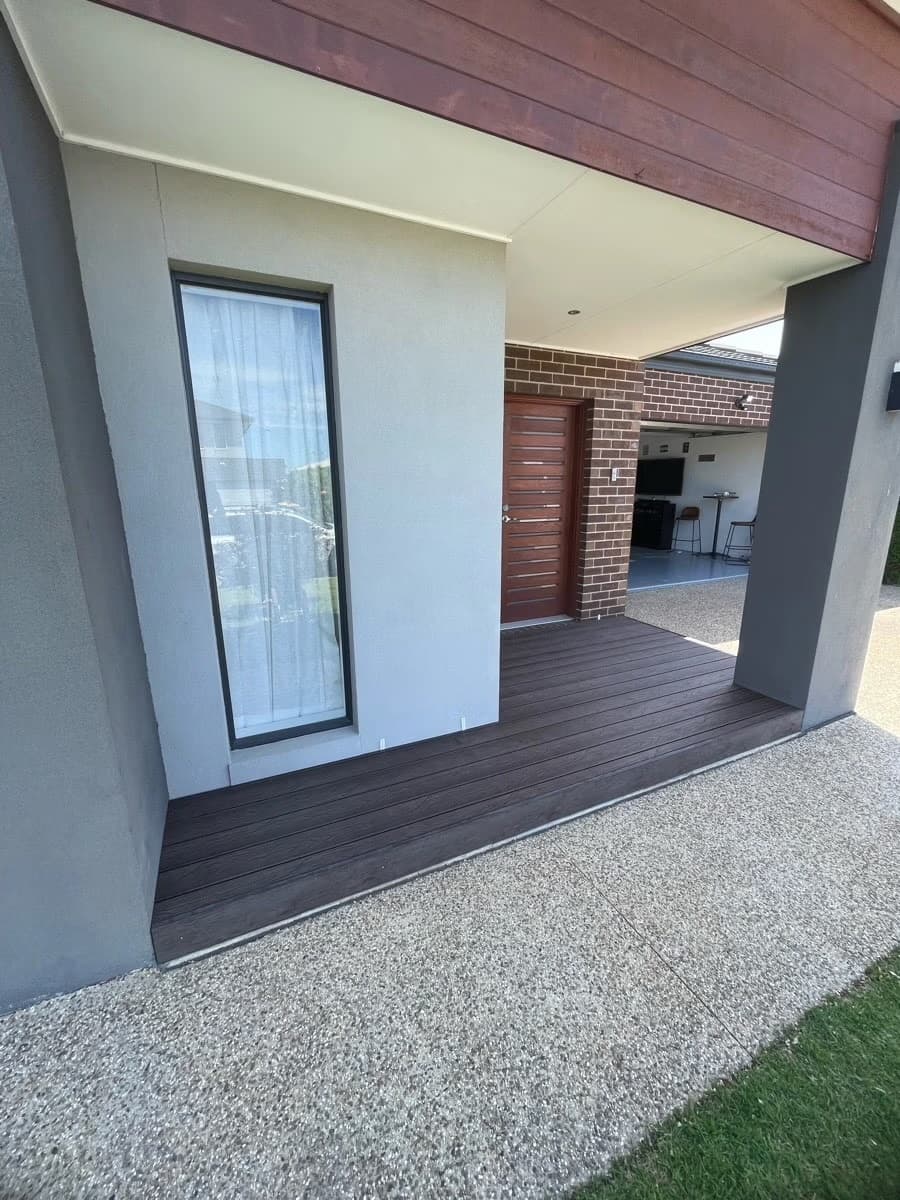
Real photos of rubber ramps we have fitted at homes across Victoria and New South Wales.
Not sure what you need? Call us for a free phone consultation, and we’ll talk you through the options. No obligation.
Questions
What people ask aboutrubber ramps.
Frequently Asked Questions
How long will my home modification take to complete?
Will it damage the doorway or the floor?
What size step or threshold do they suit?
Can I take it with me if I move?
Can I use one while I wait on funding?
Can’t see your question? Call us on +61 3 8658 1358 — we’re happy to talk it through.
Part of Ramps
More fromRamps.
More from Vital Ease
The rest of whatwe do.

Let us make your homework for you.
Ready to start your modification journey? Contact our team.
Ready to make your home safer and more accessible? Our team is here to help from your first consultation through to the final handover. Let’s talk about what’s possible for your home.