Accessible Bathrooms: A Complete Guide for Safer Living
Published
Updated
10 min read
In this article
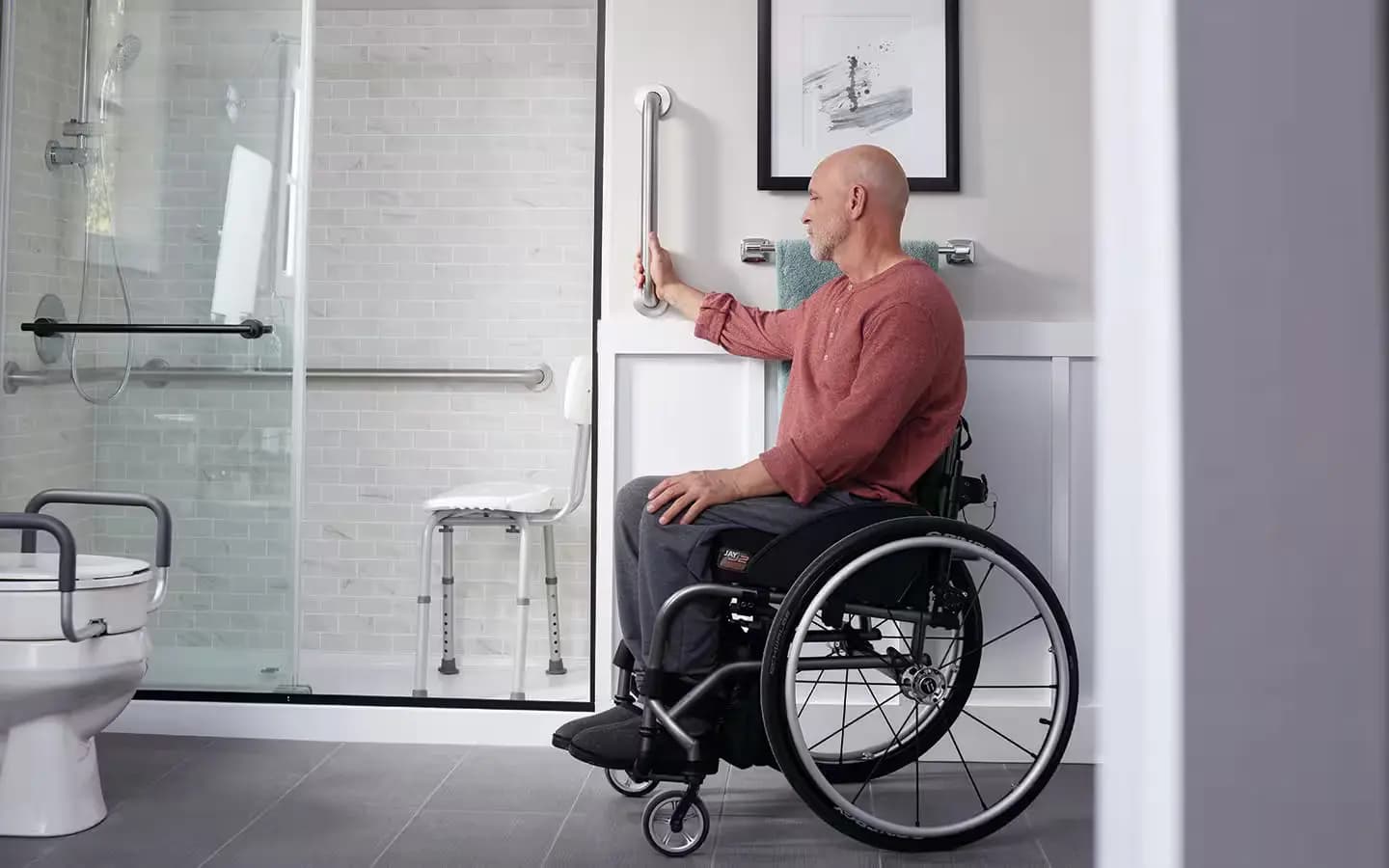
Imagine stepping out of a shower and feeling totally secure: no slips, no struggles, just a comfortable end to your day. That’s what an accessible bathroom aims to be. Whether you’re sprucing up your own space or planning for the future, creating an accessible bathroom is more about comfort and independence than “hospital look.”
It’s about making sure you or your loved ones can move freely, confidently, and safely. And guess what? These modern designs can be downright stylish – think spa vibes rather than sterility.
I used to think accessible bathrooms were all cold tiles and grab rails. Then I saw some that look like luxury hotel baths. You can have matte black fixtures, textured stone tiles, and still get those practical perks.
Let’s chat about how to make bathrooms safer without sacrificing style or fun. (If you’re in Melbourne and need a hand, check out the Accessible Bathrooms Service in Melbourne they tailor safe designs for local homes.)
Why Accessible Bathrooms Matter
Accessible bathrooms are all about freedom and safety. In Australia today, about one in five people has some disability, and that jumps to over half of our seniors. It makes sense as we (and our parents) get older or recover from an injury, everyday tasks can get tricky.
The shower and toilet are top-risk spots for falls. I once nearly took a tumble trying to step over a bathtub edge! That panic is exactly what accessible design fixes. By adding simple supports and removing trip hazards, we cut the risk of slips. With features like rails and level floors, bathing becomes something you do with ease, not anxiety.
And the trend is clear: people are living longer at home. Right now, about 40% of older Aussies living independently need help with daily activities. So accessibility isn’t a niche concern, it’s a mainstream need.
Heck, even if you’re fit and young now, think of it as future-proofing (or just making your life easier when that ankle tweak happens). A good design means anyone – young, old, or in between – can use the bathroom comfortably. Plus, a safer bathroom means less stress for family members or carers, and likely lower insurance headaches.
Key Features of Accessible Bathrooms
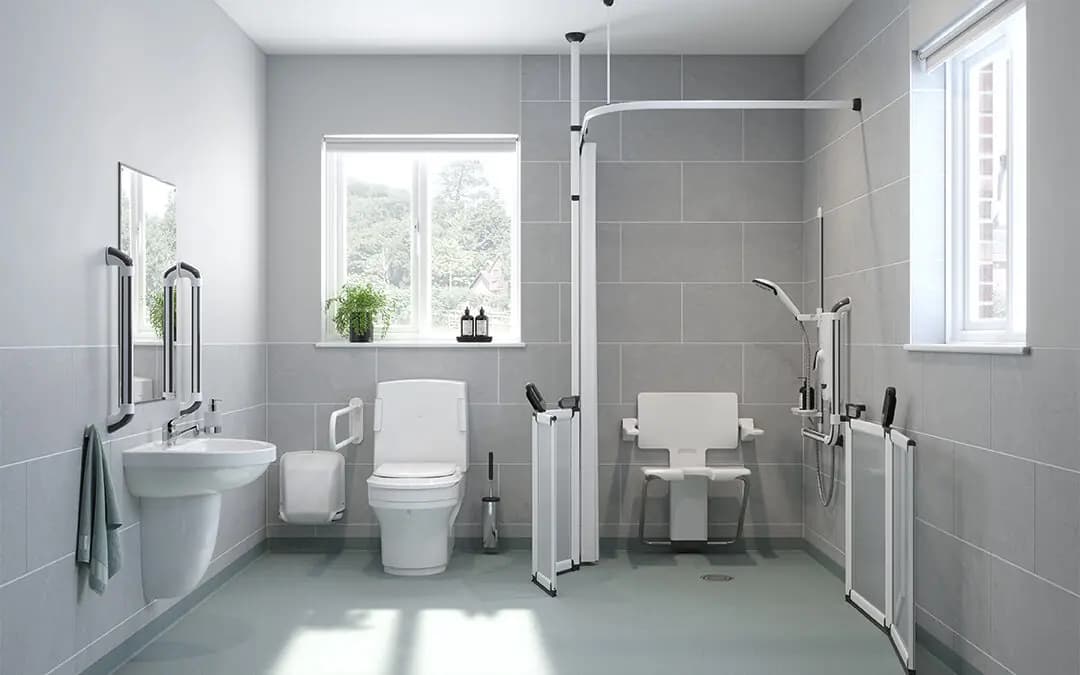
Let’s break down the must-have bits. An accessible bathroom isn’t just one thing, it’s a bunch of thoughtful adjustments that add up:
- Grab rails and support bars: These metal rails (often near the toilet and in the shower) give you something solid to hold onto. You’ll find vertical and horizontal rails at handy spots. They look sleek in modern finishes and are lifesavers for balance.
- Step-free (roll-in) shower: No awkward lip to step over – the shower floor is flush with the bathroom floor. This lets wheelchairs or walkers glide in easily. Usually it’s a glass divider or curtain to keep water contained without a curb.
- Shower seat or bench: A fold-down seat in the shower provides rest and stability. Even if you don’t need it every day, having the option to sit lowers fatigue and slip risk. (Think sipping tea in the bath, but safer.)
- Slip-resistant flooring: Tiles or vinyl with textured surfaces keep little spritzes from becoming slip hazards. They come in cool colours and patterns now, so you’re not stuck with boring “safety blue.”
- Raised toilet and space: Toilets in accessible baths sit about 460–480 mm above the floor (compare that to a standard 400 mm seat). It’s easier to sit and stand up. Also the layout needs about 450–460 mm of clear side space from the wall to allow easy transfers from a wheelchair.
- Accessible sink/basin: A wall-hung sink or shallow vanity lets wheelchairs slide underneath. Basin heights are kept around 800–830 mm so you don’t have to stretch. Make sure taps are lever-handled (no twisting needed) or even sensor-operated for extra ease.
- Good lighting and colour contrast: Bright, even light and contrasting colours make edges and fixtures pop visually. For example, a dark gray toilet seat against a light tile floor instantly stands out. Dementia-friendly design even recommends clear colour contrasts so things aren’t confusing.
- Hand-held shower head: A detachable shower wand with a long hose means you can shower sitting down or reach areas easily. Bonus: easier for cleaning the shower too!
All these bits sound technical, but in practice they translate to everyday comforts. It’s like wearing the perfect pair of shoes: you hardly notice how well they fit until you try walking without them. In fact, here’s a quick recap of standard Australian requirements for an accessible bathroom layout:
| Feature | Australian Standard |
|---|---|
| Clear floor space | 1900 × 2300 mm (minimum) |
| Doorway width | ≥ 850 mm (with outward-swinging or sliding door) |
| Toilet seat height | 460–480 mm above floor |
| Toilet transfer space | 450–460 mm from toilet centre to side wall |
| Grab rail height | ~800–810 mm from floor (beside toilet & in shower) |
| Shower area | ≥ 900 × 900 mm, open (no step) with seat and rails |
| Basin height | ≤ 800 mm, with knee clearance below |
(You don’t have to memorize these, but builders and therapists use them as guidelines.)
Design Tips: Safety Meets Style
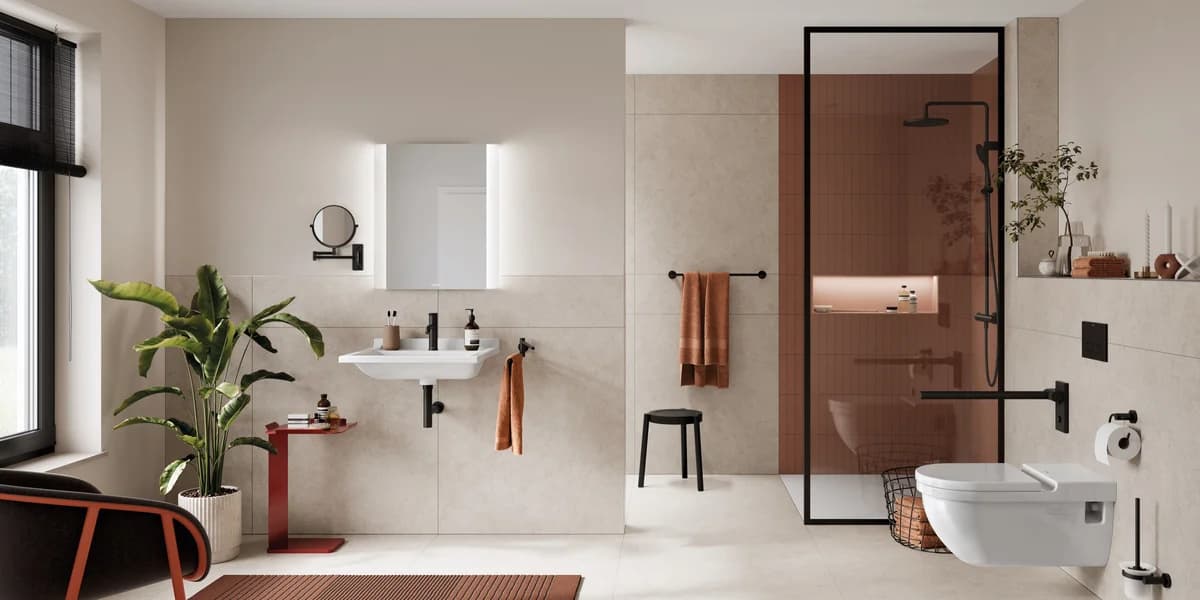
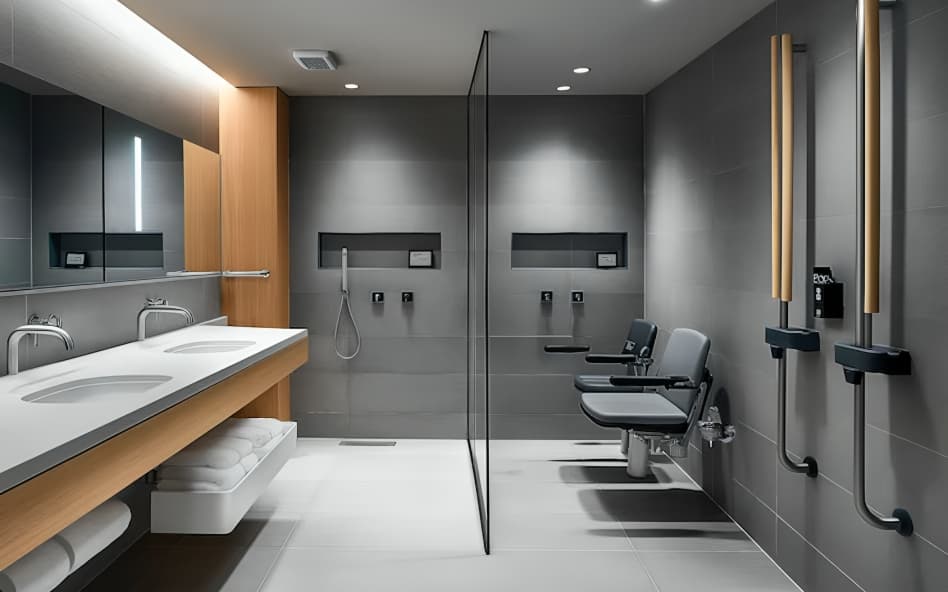
Gone are the days of cheesy plastic grab handles. Today’s accessible bathrooms can be downright chic. Picture matte-black rails that double as towel bars, or brushed steel in a minimalist bathroom.
Warm wood-look tiles (slip-resistant, of course) and sleek white fixtures create a spa-like ambience. You might layer in natural textures pebble-tile shower floors (textured for grip) or bamboo drawer fronts for visual interest. Adding indoor plants or softly-curved mirrors can break the clinical vibe and make the room feel homey.
I once redesigned a small ensuite by ditching the old tub for a frameless glass shower and a nice teak shower bench. With subtle LED strip lighting and taupe tiles, it looked way more 2026 than “aged care.”
Don’t shy away from colour: contrasting grout lines or a bold navy wall can help highlight where the floor ends and the wall begins – a cue that’s actually helpful for ageing eyes. If you’re into high-tech, consider digital shower valves (they’re easier to set precisely) or even Bluetooth speakers for a bit of luxury.
Above all, keep it personal. Use your favorite decor items, maybe a fancy soap dispenser or art prints to remind yourself this is your space. Accessibility doesn’t mean giving up on personality. In fact, thoughtful design can make it even more inviting.
Planning and Costs
Okay, let’s talk numbers (ahem). A fully accessible bathroom renovation in Melbourne will typically cost a bit more than a basic reno, since it may involve moving walls or plumbing, plus the specialised fittings.
As a ballpark, a standard mid-range bathroom makeover in Australia is around $25,000–$35,000. Go high-end with luxury finishes and you could easily hit $50k+. If you’re only doing a minor upgrade (say just adding a shower rail and new tiles) it might fall under $10k.
Importantly, factor in a budget buffer. Waterproofing, professional installation and safety checks (especially for rails and electrical work near water) aren’t optional – skimping there is risky and can cost more later.
Keeping the same layout (not moving the toilet/shower too much) will save a bunch on plumbing costs. A simple trick: treat this like any other reno, but with some extra gear and possibly a wider space.
The upside? Accessible upgrades can sometimes be subsidized. Many carers and homeowners tap into the National Disability Insurance Scheme (NDIS) or state Aged Care grants for funding.
For example, NDIS may cover a significant portion if an OT deems the changes necessary for your independence. They classify small works (door widening, grab bars) under “Minor Home Modifications” and bigger jobs (tearing down a wall to combine bathroom and toilet) under “Complex Home Modifications.”
The NDIS’s own guide notes that, in some cases, “you might need to combine your bathroom and toilet to give you more room to use a hoist or shower chair.”. That might sound drastic, but it can create a single roomy wet area and is often funded if recommended.
I suggest getting quotes from NDIS-registered or Council-approved builders if you plan to claim funding. They know the rules and paperwork (and can help you not accidentally make a “lifetime contract” trap!). And don’t forget to ask about any local grants or Home Care package funds. Some seniors housing programs have minor-reno credits, too.
Regulations & Compliance
Before you swing the sledgehammer, keep in mind Australia’s rules. Public and commercial bathrooms are legally required to meet certain standards, and our home bathrooms should follow AS 1428.1 (Design for Access and Mobility) for best practice. In simple terms, that means things like the clearances and heights we listed above.
The good news is that residential homes have more flexibility (you’re not mandated by law to fully comply like a public toilet is), but if you ever sell or pass on the home, having an AS 1428.1-aligned design is a solid asset.
Also, using qualified builders and engineers ensures everything like handrails and ramps are certified and safe. They’ll know, for instance, that handrails need a 33–42 mm diameter grip and be load-tested, or that the toilet roll holder must not double as a rail (those cheap swivel rails are a no-no).
Funding programs, as mentioned, often require compliance evidence. The NDIA or government grant reviewers will want proof your rails and fittings meet the standards. So grab a designer or at least consult a builder who specializes in accessible design. They’ll help interpret the fine print.
Even simple things count: good lighting must be installed (wet-area rated), and non-slip floors are basically non-negotiable for safety. By following these guidelines, you not only keep people safe, you’re demonstrating that you’ve done things “by the book.” That builds trust if you need funding and gives everyone peace of mind.
Planning Your Renovation
Alright, you’re sold on the idea. Where do you start? First, sketch out your priorities: is it mobility, comfort, or both? If space is tight, you might sacrifice the bath for a big shower. Think about who’ll use it the most (wheelchair user, elderly person, family of different ages) and ask them if possible.
I always involve the main user. It makes sure the design really fits their routines. Next, call in pros. Even if you’re not on NDIS, an OT or specialist builder can audit your current bathroom and suggest the best layout.
They might pick up on something you missed (like, maybe that shower niche is 10cm too high for grandma). If you love the idea of the old clawfoot tub, see if it can be retrofitted with a door or rail – sometimes you can upgrade rather than rip out.
Get quotes with detailed specs (e.g. “install 2 horizontal grab rails, 900 mm shower bench, move shower plumbing 300 mm”). Compare a couple of local tradespeople or companies. In Melbourne, some builders are NDIS-approved, a plus if you want funding.
Also, check if the contractor has experience with finishes; you want someone who treats it like a normal high-quality reno, not a rushed handyman job. After all, this bathroom should last decades.
Conclusion
We’ve covered a lot of ground, but the takeaway is simple: an accessible bathroom is an investment in safety and comfort that anyone can enjoy. You don’t have to sacrifice style or independence as you age or deal with injuries.
With grab rails, no-step showers, smart fixtures and a bit of creative design, a bathroom can be both gorgeous and practical. Melbourne’s professionals are on hand to guide the process (including those Accessible Bathroom services nearby), and government programs can ease the cost if needed.
Now is a great time to act: review your space, talk to your family or builder, and start planning. Everyone deserves a bathroom where they feel confident and in control. Ready to design a safer bathroom? Reach out to a specialist, ask your Occupational Therapist for ideas, or jump online to explore inspirational designs. Your future self will thank you for it – after all, a worry-free soak or shower every day is priceless!
Frequently Asked Questions
What features are must-haves in an accessible bathroom?
Think grab rails near the toilet and shower, a level-entry (no-step) shower, and slip-resistant flooring. A raised toilet seat, lever taps, and enough clear space for movement are essential. Extras like a shower bench and under-sink knee space improve comfort and usability.
How much does an accessible bathroom renovation usually cost?
Costs vary by scope and finish. Mid-range remodels in Australia are about $25k–$35k, while budget upgrades start around $8k–$15k. High-end accessible designs can exceed $40k, so it’s wise to allow a 10–20% contingency.
Will the NDIS or other funding schemes help pay for bathroom upgrades?
Yes, if eligible. The NDIS may fund bathroom modifications needed for safety and independence. You’ll usually need an Occupational Therapist’s assessment and quotes, and some state grants or home care packages may also assist.
Can I make my existing bathroom more accessible without a full renovation?
Absolutely. Simple upgrades like raised toilet seats, grab rails, shower chairs, and non-slip mats can help immediately. Improving lighting and switching to lever taps also boosts safety without major renovation.
Are accessible bathrooms only for older people or wheelchair users?
Not at all. Accessible design benefits everyone, including families with kids, people with injuries, or anyone wanting easier use. It’s part of universal design making spaces comfortable and practical for all.
What’s a stylish way to make my bathroom accessible without it looking institutional?
Use modern materials like textured tiles and choose stylish fixtures in finishes like chrome or matte black. Blend grab rails into the design and add warm touches like plants or décor. Aim for a spa-like feel rather than a clinical look.