7 Powerful Electrical & Home Automation Solutions for Safer Homes
Published
Updated
10 min read
In this article
Imagine walking into your dark hallway at night without fumbling for a light switch that’s the magic of smart home tech. In Melbourne, we Aussies love innovation, but we also love keeping our family safe.
By blending good old electrical safety upgrades with modern home automation, you get homes that feel as smart as a kangaroo with a PhD. And with the help of expert electrical & home automation services in Melbourne, creating a safer, smarter home has never been easier.
In this article, I’ll share seven top-notch tricks and gadgets that turn a regular house into a fortress of comfort and safety. You’ll hear a bit of humour, real-talk advice, and even some local Aussie flavour because what’s the point of tech if we can’t have a little fun with it? Let’s jump in!
1. Safety Switches & Surge Protectors (Essentials)
First things first: in any savvy Aussie home, the main breaker box is its heart but it needs a brain of its own. That’s where safety switches (RCDs) come in. These nifty devices instantly cut power if they detect a fault (like a nasty shock or short circuit), keeping you and your home safe from fire or electrocution.
Here’s the kicker: Australian wiring rules made RCDs mandatory in all new homes. In fact, since the early 2000s every new build must have safety switches on virtually all power and lighting circuits.
So if your home is vintage (think pre-2000), calling an expert to upgrade your panel is a top priority. Electrifying beyond the basics, surge protectors are like bodyguards for your gadgets.
During Melbourne storms or power surges, they divert extra voltage away from your appliances. The result? No fried electronics when lightning strikes or the grid hiccups.
Key tools here:
- RCD Safety Switch: Trips in milliseconds if any dangerous current is detected (especially in wet areas like bathrooms or kitchens). Think of it as a tiny firefighter that instantly cuts power.
- Whole-House Surge Protector: Installed at your meter box, it guards every socket against voltage spikes. No more worries about your laptop or fridge getting zapped during a storm.
You might not see them every day, but these electrical upgrades are non-negotiable. They do the heavy lifting behind the scenes. It’s like giving your house a top-class insurance policy except it actually works in the moment, not just after the fact.
2. Smart Smoke & Carbon Monoxide Alarms
You’ve no doubt got smoke alarms by law (one on each floor, right?). But upgrading to smart smoke detectors takes safety up a notch. These aren’t your grandpa’s clunky alarms.
Modern models talk to your phone: if a detector goes off, you get an instant alert even when you’re out grabbing a flat white. They also link together wirelessly. One alarm in the kitchen can set off every alarm in the house simultaneously, buying you extra seconds to act.
Carbon monoxide (CO) is sneaky; it’s invisible, odorless, and can come from heaters or old gas appliances. A smart CO alarm in your laundry or garage is a lifesaver (literally). It will shout its warning and text you if it detects the silent gas.
In short, these devices bring the party to you:
- Smart Smoke Detectors: Automated self-testing, app alerts on your phone, interlinked alarms. If Mum forgets to change a battery, the system reminds her and you.
- CO Alarms: Protect against deadly carbon monoxide leaks. They’ll tell you if something’s off with the gas heater or BBQ.
Better yet, some smart alarms can call the fire brigade automatically or play voice alerts (“Warning: Fire in the Kitchen!”) to guide people out. In this age of tech, your alarms should be as smart as your phone. Don’t settle for “set and forget” when “set and forget-me-not” is easy.
3. Motion-Sensor & Smart Lighting
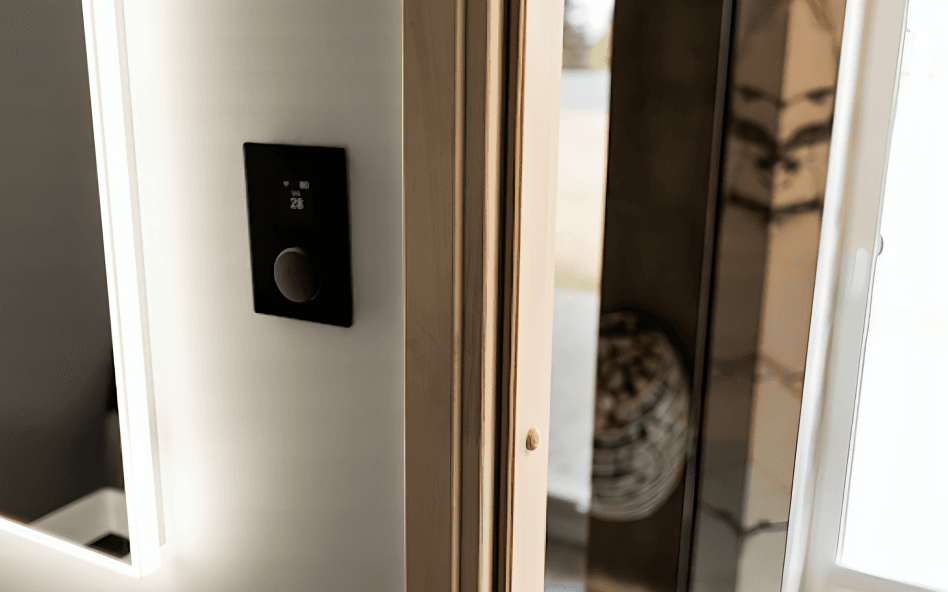
Who hasn’t stubbed a toe in the dark? Ditch the stumble with motion-sensor lighting. Hallways, bathrooms, garages or front porches fitted with smart sensors can detect you moving and switch on the lights automatically.
It’s like having an invisible butler who lights the way especially handy if you sneak in late without waking the kids. For Melbourne’s unpredictable weather (and early sunsets), these lights cut trips and give peace of mind.
Even without sensors, smart light bulbs and switches let you program schedules or control lights remotely. Going on holiday? Set the porch lamp to turn on at dusk. Worried you left the lights on while at the pub? Just whip out your phone and turn them off from anywhere.
A brightly lit home automation also deters would-be intruders (the old switch-a-living-room-lamp trick works wonders).
Top lighting hacks:
- Hallway/Night Lights: Motion sensor lamps that activate as soon as you move at night – no more blundering through furniture.
- Smart Bulbs/Switches: Schedule lights for routines (e.g. come home to a lit living room), or control them by voice (“Hey Google, movie time dim the lights!”).
- Outdoor Sensors: Floodlights or path lights on motion detectors for entryways and backyards. A cat won’t have a chance sneaking up on you if the lights jump on!
Installing these is usually plug-and-play, and they pay off quickly. I installed a sensor lamp under my deck last winter to save me from more face-plants than I can count. Plus, turning lights off automatically saves a bit on the power bill. Win-win!
4. Smart Locks & Security Systems
Keyless entry isn’t just flashy; it’s a safety feature too. Picture this: you’re juggling shopping bags and the doorbell rings. Normally, grabbing keys while putting down groceries is a hazard.
With a smart lock and video doorbell combo, you press one button boom, done. Smart locks replace clunky keys with PIN codes, fingerprint or app control. Grandma in Carlton can sit down and peer out at visitors on her tablet without even touching the door.
- Video Doorbells: You get a chime and live video on your phone when someone approaches. No more playing guessing games with package thieves. Some even have two-way talk, so you can say “Leave it at the door, mate,” from the office.
- Keyless Smart Locks: Set unique PINs for family or tradespeople. Grant the neighbour a temporary code to feed the cat. If a code is entered wrong too many times, some systems lock down or send an alert.
These systems can integrate with your alarm (so triggering the sensor cam also arms security lights or sirens) and connect to assistants like Siri or Alexa. Installation can be DIY for basic deadbolts, but for integrated systems it’s wise to get an electrician to wire things up correctly (especially if it needs a constant power feed or backup battery).
5. Smart Thermostats & Climate Control
Melbourne weather: four seasons in a day. A smart thermostat is like having a personal weather assistant. It learns your schedule and temperature preferences: warm in the mornings, cooler at night.
You can adjust the heater or AC from the comfort of bed or with a tap on your phone. Missed your 6pm yoga class? Use the app to warm up the house so it’s cosy when you get home.
This isn’t just about comfort, it’s about health and safety too. A too-cold elderly parent risks hypothermia; too hot can lead to heat stress. Even simpler, smart fans or smart heaters on plugs can be voice-activated or scheduled.
Grandma doesn’t have to stretch for the old heater switch or worry if the heater was left on. If one of those fans is voice-controlled, she can just say “Alexa, turn on the fan” and off she goes.
Many smart plugs have timers: plug the electric blanket into one, and it switches off automatically after an hour. Small moves like that can prevent accidents (and save a bundle on energy).
Remember, mould and damp can build up if a home is too cold or humid. Some advanced thermostats even monitor humidity. Keeping your home at a stable, comfortable temp not only saves power it prevents things like black mould and pests, which are surprising home intruders!
6. Smart Plugs, Appliances & Auto-Shutoff
Ever worried you forgot the kettle on or iron heating up all night? Smart plugs and outlet controllers come to the rescue. These little adapters go between the wall and appliance. You can switch them off with an app, or set schedules (“turn off the iron at 9PM”).
So if you’re out enjoying Melbourne’s laneway bar scene and recall you left the hair straightener on, a quick phone tap zaps it off. Magic.
Other kitchen and home automation appliances now have safety features:
- Smart Stove Monitors: Some gadgets detect if a burner has been on too long and automatically shut it off.
- App-Controlled Ovens: Preheat your oven on the way home, or get a phone alert if you left it on.
- Leak Sensors: These aren’t electrical, but many smart home automation kits include flood and gas sensors. They can cut water or gas supply if they detect a leak, keeping floods and fires at bay.
And hey, why not let robots help? A robotic vacuum might seem like a luxury, but it literally sucks up kids’ toys and dust bunnies. Fewer trip hazards underfoot, happier parents.
Quick Safety Tip:
Always plug high-powered appliances (heaters, aircons) into dedicated circuits or smart devices rated for the load. Don’t overload your system. In short: the more devices talk together (via smart plugs, hubs, etc.), the more control you have and more chances to save on bills and stay accident-free.
7. Home Automation Hub & Integration
Here’s the cherry on top: connecting everything together. A home automation hub or app (like SmartThings, Google Home, or Apple HomeKit) lets you control lights, locks, speakers, sensors and the whole kit from one interface.
It’s way easier than juggling a dozen different apps. You can set “scenes” or routines: for example, “Goodnight” dims lights, locks doors, and arms alarms with one tap or voice command.
Voice assistants tie it all together. Saying “Hey Siri, I’m home!” can trigger the hall light, unlock the door, and start your favourite playlist. They’re not just party tricks for less mobile people, voice control is huge. No reaching for switches needed.
Integration = Smarter Safety. For instance:
- If a smoke alarm goes off, it can tell lights to flash or unlock doors automatically guiding you in an emergency.
- If motion sensors detect unusual activity while you’re away, your system can turn on cameras and floodlights, and text you a video clip.
It’s like giving your home a nervous system sensor sense, switches respond, alarms alert. Think of it: your Melbourne home knows when you’re out of town, automatically lowers heating, and still turns lights on to make burglars think you’re home. That kind of automation keeps both the electricity bill and the crime rate down.
Building this integration does take some planning. I’d recommend getting a licensed electrician or smart home installer to put in the backbone (like a robust Wi-Fi or power line network) and make sure everything meets Australian standards. But once it’s up, adding gadgets is often plug-and-play.
Conclusion
We’ve covered a lot of ground from the humble safety switch in your meter box to the futuristic voice-controlled home. The key takeaway? You don’t need to be a rocket scientist to make your house safer; you just need smart wiring and gadgets that work together.
I usually don’t “blow the budget” by hiring a sparky for a simple task, but for anything major it’s smart to call in a pro. In fact, for complex installs it pays to use an expert electrical & home automation service in Melbourne. They’ll make sure the job is done safely and complies with all the Aussie rules just like the guidelines set by Energy Safe Victoria.
Ready to make your home safer and smarter? Chat with an electrician or automation specialist today. Whether it’s swapping to Type-A safety switches, setting up a smart speaker, or installing linked alarms, these improvements pay off in peace of mind. For more on electrical safety standards, you can also visit the official Energy Safe Victoria website.
Frequently Asked Questions
Q: What exactly is home automation, and will it really keep my family safe?
A: Home automation connects devices like lights, locks, and alarms so they work together automatically. It boosts safety with features like smart smoke alerts and motion lighting. Think of it as a silent assistant handling everyday safety tasks for you.
Q: Are safety switches (RCDs) really mandatory in Australia?
A: Yes RCDs are mandatory in new homes and renovations under Australian wiring rules. Older homes may not have them, but upgrading is strongly recommended. They cut power instantly during faults and can save lives.
Q: Can I install smart devices myself, or do I need a professional?
A: Simple devices like smart bulbs and plugs are DIY-friendly. But anything connected to mains wiring should be installed by a licensed electrician. This ensures safety and compliance with Australian standards.
Q: Do these home automation gadgets save energy or are they just for convenience?
A: They do both. Smart devices reduce energy waste with automation like motion lighting and scheduled temperature control. Over time, this can lower bills while improving safety and convenience.
Q: How much does it cost to get started with home automation and electrical safety?
A: Costs vary from a few hundred dollars for basic gadgets to thousands for full systems. Start small and upgrade gradually. It’s a worthwhile investment in safety, comfort, and home value.