How to Choose Safe Floor Coverings for Seniors & NDIS Homes
Published
Updated
7 min read
In this article
When you walk into a home, the floors quietly set the mood. They also set the safety level, which matters a lot more when mobility, balance, walkers, or wheelchairs come into the picture. I always say this: a beautiful home should not act like an obstacle course.
That is why Floor Coverings deserve more attention than they usually get. The right choice can support steady movement, reduce trip risks, make cleaning easier, and keep a home looking sharp instead of clinical. And for Melbourne homes, where style matters almost as much as practicality, that balance matters even more.
If you are planning an upgrade, take a look at Explore Best Floor Coverings in Melbourne. It helps to see how a smart flooring choice can fit into a safer, more comfortable home without turning the place into a hospital ward with good lighting.
Why safe flooring matters so much
I like to think of flooring as the quiet bodyguard of the home. It does the job in the background, but when it fails, everyone notices. For seniors and NDIS participants, the wrong surface can create slips, trips, discomfort, and extra strain on joints.
Good Floor Coverings do more than look tidy. They support confidence. They help people move without second-guessing every step. That matters in hallways, bathrooms, bedrooms, and anywhere a person uses a mobility aid. If a surface feels unstable, shiny, uneven, or too soft, it can make everyday movement feel much harder than it should.
What I look for first in safe floor coverings
Before I get distracted by colours, textures, or trendy finishes, I check the practical stuff. A safe floor should do four things well:
It should give grip. It should stay level. It should feel comfortable underfoot. And it should work with the way the person actually lives.
That sounds simple, but it rules out a lot of flashy options.
Here is the shortlist I use when I assess Floor Coverings for seniors and accessible homes:
- Slip resistance for wet areas and busy paths
- Low glare so the surface does not look slippery when it is not
- Smooth transitions between rooms
- Low pile or flat finishes so walkers and wheelchairs move easily
- Easy cleaning because dust, spills, and grit always show up uninvited
The best floor covering types for seniors and NDIS homes
Not every material suits every room. Some look gorgeous but behave badly under pressure. Others look humble and quietly do the heavy lifting.
| Floor covering type | Safety score | Best use | Why it works |
|---|---|---|---|
| Vinyl | High | Kitchens, living areas, bathrooms | Comfortable, low maintenance, smooth under mobility aids |
| Hybrid flooring | High | Hallways, living rooms, bedrooms | Tough, modern, and easy to clean |
| Carpet | Medium | Bedrooms, quiet spaces | Soft and warm, but choose low pile and secure edges |
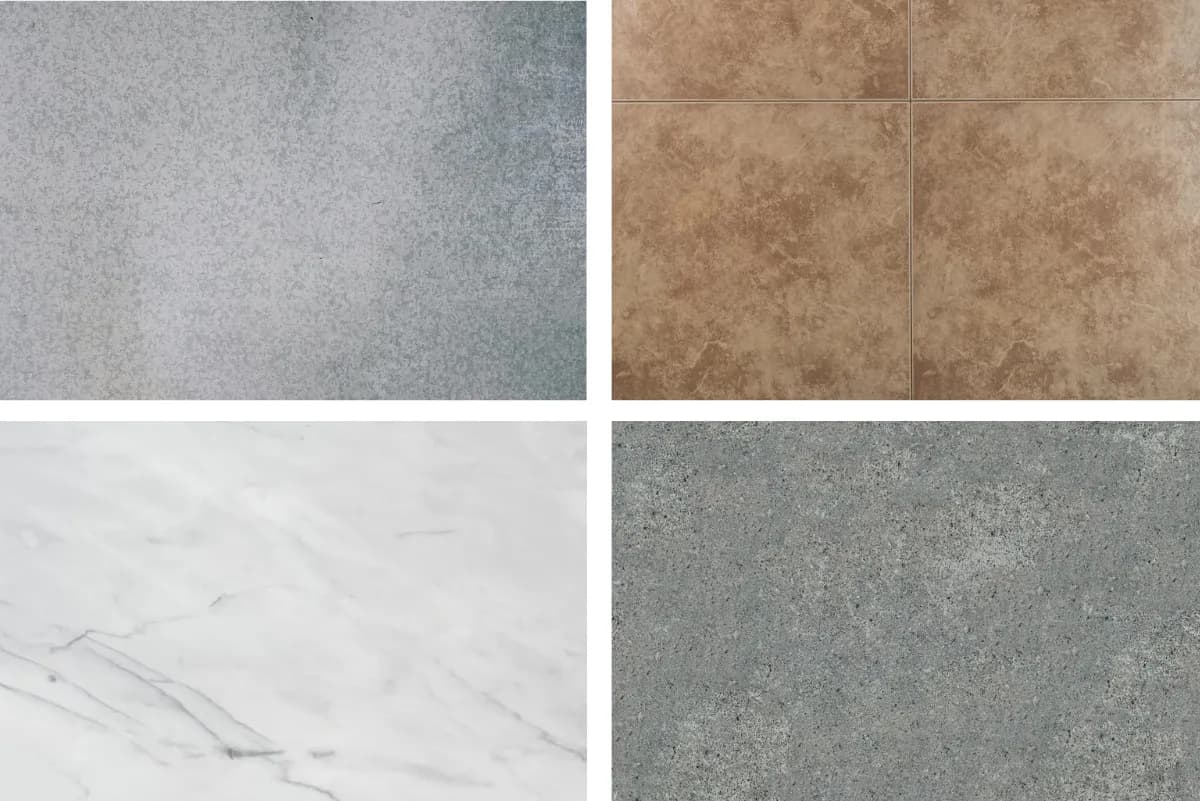
| Tiles | Medium to high | Wet areas | Durable and stylish, but I prefer textured, slip-resistant options |
| Timber | Medium | Dry living spaces | Beautiful and timeless, but needs the right finish and upkeep |
If I had to narrow it down, I would usually start with vinyl or hybrid for many accessible homes. Both suit modern Melbourne interiors, and both can support safer daily movement when installed well.
Room-by-room choices that make life easier
A whole-home flooring choice sounds neat, but real homes rarely work that way. Different rooms need different thinking.
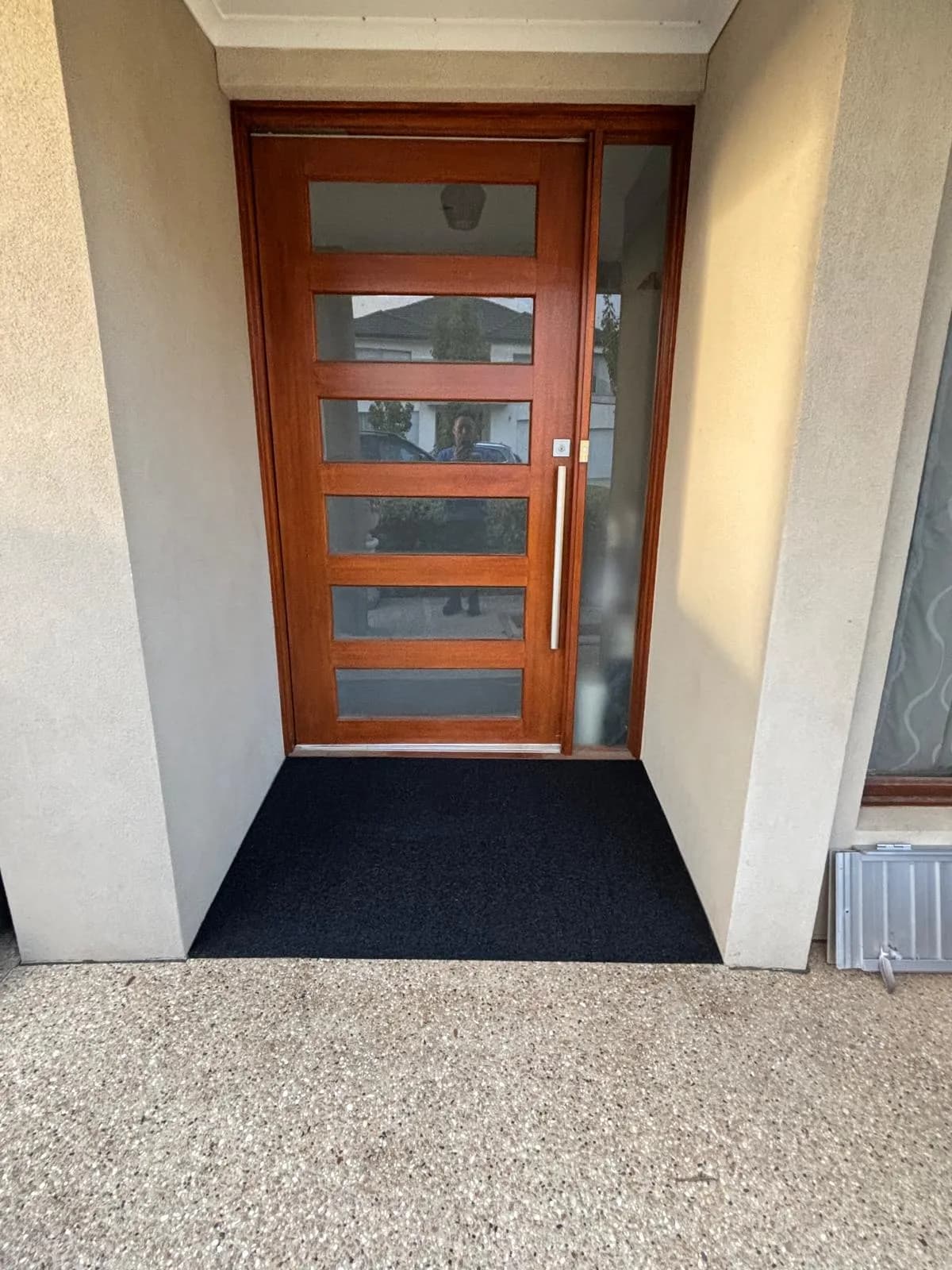
In hallways and entryways, I look for hard-wearing Floor Coverings that handle foot traffic, shoes, and the occasional muddy day without turning into a mess. Smooth, even finishes win here.
In bedrooms, comfort matters more. A low-pile carpet or a soft underfoot surface can feel warm and quiet, which many seniors love. Just make sure the carpet does not trap feet, zippers, or walker legs like a badly timed prank.
In bathrooms and laundries, I go straight to slip-resistant floor coverings. Wet areas need proper grip, not just good looks. The room should feel calm, not like a skating rink with tapware.
In kitchens, I want a surface that wipes clean quickly, resists spills, and still gives safe footing. That is why many NDIS flooring solutions lean toward vinyl, hybrid, or textured tile.
And in living areas, I balance style, comfort, and movement. These rooms need to look good because people live in them, not just pass through them.
The small details that make a huge difference
People often focus on the material, but I care just as much about the finish, the joins, and the edges. That is where safety lives.
A smart flooring choice should include:
- No loose edges or curling corners
- No sudden level changes between rooms
- No slippery shine in bright light
- No thick pile that traps walking aids
- No awkward thresholds unless they solve a real problem
These details might sound fussy, but they save people from the sort of annoying, risky little moments that lead to falls.
A good accessible home starts with the whole path
Here’s the thing: a safe floor does not work in isolation. It needs to support the whole movement path through the home. That means the entrance, hallway, bathroom, kitchen, and bedroom all need to connect smoothly.
I also always think about how the home feels at night. Dim light makes shiny surfaces look worse, rugs become harder to spot, and shadows can mess with depth perception. So when you plan accessible home flooring, you also need to think about lighting, furniture layout, and clutter control.
At this point, many families ask whether the flooring choice can fit into a broader support plan. In many cases, the answer is yes. The NDIS lists non-slip floor treatments among the kinds of home changes it may consider, alongside other practical modifications that help people move safely around the home: NDIS home modifications guidance. That gives you a useful starting point when you are planning Floor Coverings for a safer home.
My simple checklist before you choose
Before you sign off on any flooring job, I suggest you ask these questions:
- Will this surface help or hinder walking aids?
- Does it reduce slip risk in wet or busy areas?
- Can I clean it without much effort?
- Does it feel stable underfoot?
- Does it suit the person’s daily routine?
- Will it still look good after real life happens to it?
If the answer feels shaky on more than one point, I would keep looking.
The best balance of safety and style
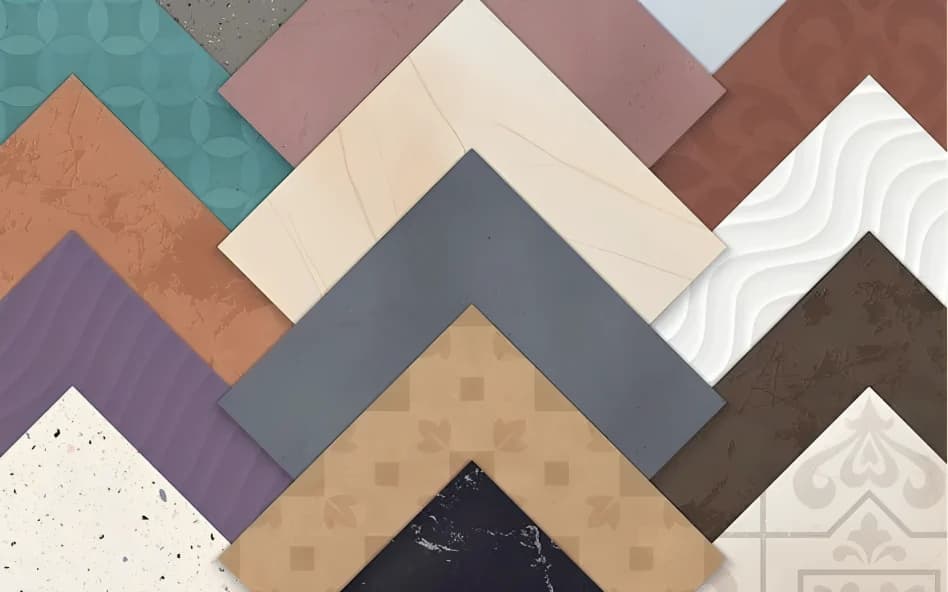
I know some people think safe flooring means plain flooring. Not at all. Melbourne homes have plenty of design personality, and Floor Coverings can absolutely keep up.
A timber-look hybrid can feel warm and modern. A textured vinyl can look polished and still give grip. A soft low-pile carpet can bring comfort without becoming bulky or difficult to manage. The trick is to choose a surface that earns its place in the room.
That is why I always steer people away from the “pretty but impractical” trap. A floor should not just impress guests for ten minutes. It should help the person living there every single day.
Conclusion
Choosing safe Floor Coverings for seniors and NDIS homes comes down to one simple idea: make movement easier, safer, and more comfortable without sacrificing style. When you pick the right material, the right finish, and the right installation, you create a home that feels calmer and more confident from the moment someone steps inside.
I always recommend starting with safety first, then layering in comfort, style, and maintenance. That approach works beautifully for floor coverings for seniors, NDIS flooring solutions, and modern accessible home flooring across Melbourne.
If you are planning a flooring upgrade, speak with a professional house renovator and ask for options that suit mobility, safety, and everyday living. The right choice will make the whole home feel smarter, safer, and far more enjoyable.
Frequently Asked Questions
What are the safest floor coverings for seniors?
I usually recommend vinyl, hybrid flooring, or textured slip-resistant tiles because they offer a strong mix of grip, comfort, and easy cleaning.
Are carpets a bad idea for older people?
Not always. Low-pile carpet can work well in bedrooms and quiet areas, but I would avoid thick or loose carpet in high-traffic paths.
What makes floor coverings suitable for NDIS homes?
I look for surfaces that improve safe movement, reduce trip hazards, support mobility aids, and suit the person’s daily needs.
Do slip-resistant floor coverings have to look ugly?
Not at all. Modern finishes come in clean, stylish designs that suit contemporary Melbourne homes while still offering good traction.
Which rooms need the most attention?
Bathrooms, laundries, kitchens, entryways, and hallways usually need the most care because people move through them often and spills happen there.
Can floor coverings help reduce falls at home?
Yes. The right surface can improve grip, reduce uneven transitions, and support safer movement, especially when you combine it with good lighting and clear walkways.
How do I choose between vinyl and hybrid flooring?
I would choose vinyl for comfort and easy maintenance, and hybrid for durability and a more timber-like look. The best option depends on the room and the person using it.
Should I get professional advice before installing floor coverings?
Yes. A flooring specialist or accessible home expert can help you match the right Floor Coverings to the right room, which saves money and avoids mistakes.