Best Floor Tiling Options for Accessible and Senior-Friendly Homes
Published
Updated
8 min read
In this article
Melbourne homes have a way of keeping you honest. One minute you are dealing with a cold morning, the next you are wiping rain off the entry, and before you know it, someone is padding down the hallway in socks like they own the place. That is exactly why floor tiling matters so much in an accessible or senior-friendly home. It is not just a design choice. It shapes how safe, comfortable, and easy the home feels every single day.
I like to think of good flooring as the quiet hero of a house. It never makes a big speech, but it does the heavy lifting. When you choose the right floor tiling, you help older adults move more confidently, you make life easier for anyone using a walker or wheelchair, and you keep cleaning simple. That is a pretty classy trio for one surface to pull off.
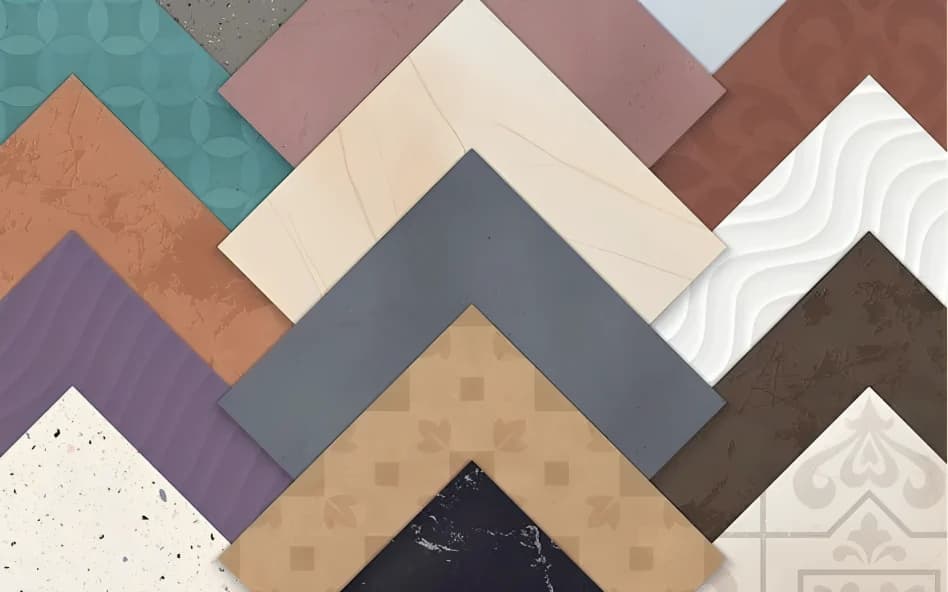
If you are planning a refresh, I always recommend thinking beyond colour samples and showroom lighting. The best floor tiling choices are the ones that suit your daily routine, feel comfortable underfoot, and make moving around the home easier as the years roll on. A smart flooring upgrade can completely change how a space feels without turning the house upside down.
You can also explore practical and stylish options for Floor Tiling in Melbourne if you want ideas that balance accessibility, durability, and modern design without sacrificing comfort.
What makes floor tiling senior-friendly?
A senior-friendly floor does four things well. It gives you grip, it reduces glare, it feels easy to move across, and it stays simple to clean. That is the sweet spot for floor tiling in accessible homes. I never choose a tile only because it looks stylish in a showroom. I choose it because it performs in real life, where water, shoes, mobility aids, and daily traffic all show up without warning.
Here is the short version: if a floor looks gorgeous but turns into a slip risk the moment it gets damp, it has failed. Floor tiling should support the people living in the home, not make them tiptoe around like they are on a stage set.
| Tile type | Best for | Why it works | What to watch |
|---|---|---|---|
| Matte porcelain | Living rooms, halls, kitchens | Durable, calm-looking, easy to maintain | Choose a slip-rated finish |
| Textured porcelain | Bathrooms, laundries, entries | Better grip in wet spots | Too much texture can trap dirt |
| Large-format tiles | Open-plan spaces | Fewer grout lines and a smooth look | Needs careful installation |
| Stone-look tiles | Stylish accessible homes | Warm, timeless, and practical | Check glare and sealing needs |
| Tile-look alternatives | Budget-friendly updates | Easier upkeep and softer feel | Make sure it suits wet areas |
Best floor tiling options for accessible homes
1) Matte porcelain tiles
If I had to pick one all-rounder, I would start with matte porcelain. It gives you a clean finish, handles busy spaces well, and avoids the shiny glare that can make some floors feel harsh. For floor tiling in Melbourne, that matters more than people think, especially in homes with lots of natural light or strong downlights.
Matte porcelain also suits ageing in place because it looks modern without trying too hard. It feels calm, it cleans easily, and it gives you a solid base for the rest of the room. That is the kind of quiet confidence I like on a floor.
2) Textured slip-resistant tiles
For bathrooms, laundries, and entryways, textured tiles earn their keep. They add traction where water tends to linger and where someone might step out of the shower, walk in from the rain, or carry a basket of washing like they are in a race against time. In those spaces, floor tiling needs to do more than look neat. It needs to help prevent slips.
The trick is balance. You want enough texture for grip, but not so much that the floor becomes hard to clean. I aim for practical texture, not roughness for the sake of it.
3) Large-format tiles
Large-format tiles can make a home feel bigger, calmer, and less cluttered. That visual simplicity matters in accessible design because the eye reads the room just as much as the feet do. Fewer grout lines also give you a cleaner look, which many people love in open-plan Melbourne homes.
I often recommend large-format floor tiling for hallways and living areas because it creates a smoother visual path. That can help older adults and anyone using mobility aids feel more at ease as they move through the home.
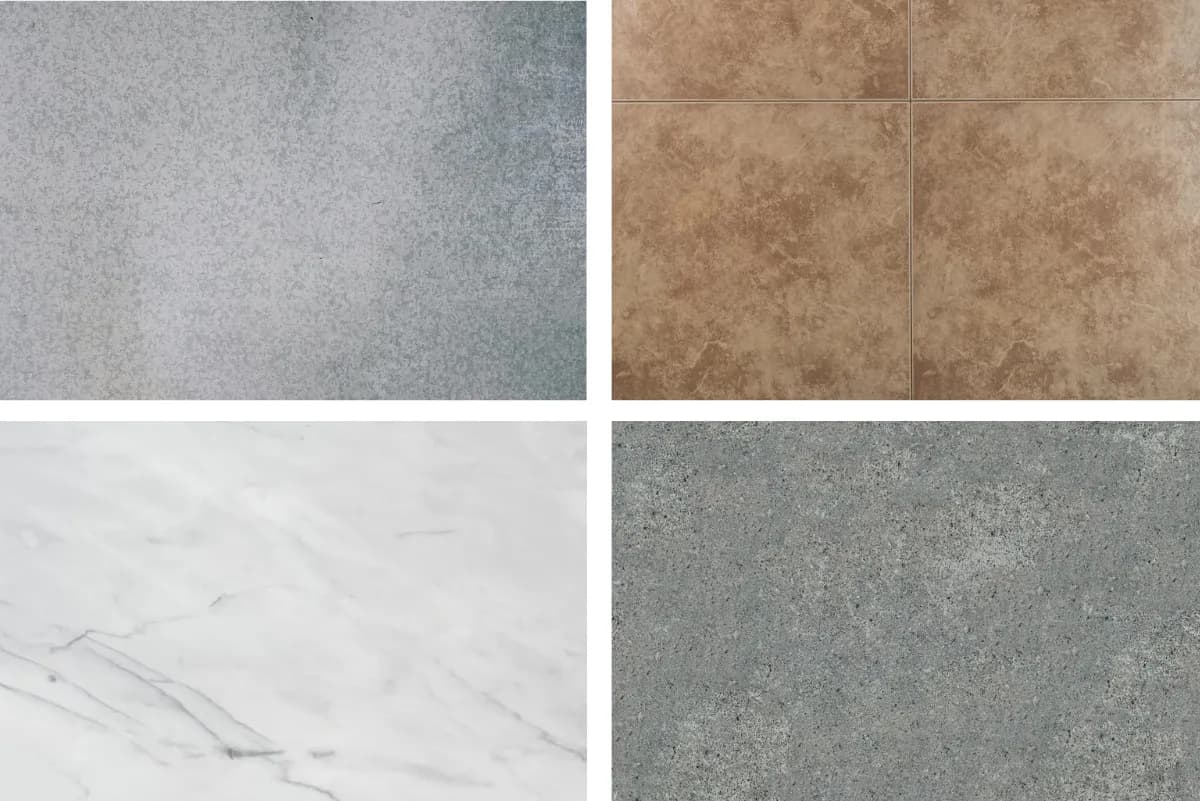
4) Neutral stone-look tiles
Stone-look tiles give you a more refined, timeless feel without the upkeep that natural stone often demands. They suit homes that want warmth, style, and practicality in the same sentence. I like them for renovations where the owner wants the home to feel polished, but not precious.
Just keep an eye on the finish. A stone-look tile still needs the right surface treatment if you want safe floor tiling. Style should always support function, never bully it.
The room-by-room approach
Different spaces need different levels of grip, comfort, and maintenance. A bathroom demands stronger slip resistance. A hallway needs durability and calm visuals. A living room wants comfort with a clean finish. That is why I never treat floor tiling as a one-size-fits-all decision.
| Room | Best tile choice | Why I would choose it |
|---|---|---|
| Bathroom | Textured porcelain | Extra grip in wet conditions |
| Laundry | Slip-rated tile | Handles spills and regular traffic |
| Kitchen | Matte porcelain | Easy to clean and steady underfoot |
| Hallway | Large-format tile | Less visual clutter and smoother flow |
| Entry | Textured tile | Deals with rain, dirt, and shoe traffic |
| Living area | Matte or stone-look tile | Stylish, calm, and low-maintenance |
Why grout and finish matter so much
I know grout sounds like the dull cousin of design, but it changes the whole experience of a floor. Narrow grout lines create a calmer look and reduce visual interruptions. That matters in a senior-friendly home because people often feel more confident on surfaces that read as clear and simple.
The finish matters just as much. I usually lean toward low-sheen floor tiling because it cuts glare and feels easier on the eyes. Glossy tiles can look sharp in the right setting, but they can also become a bit bossy under bright light. In a home that supports accessibility, I want the floor to behave itself.
Comfort, warmth, and everyday living
Accessible does not have to mean clinical. I always tell people that a smart floor tiling plan can still feel stylish, warm, and welcoming. You can soften the room with timber tones in the furniture, warm lighting, and rugs in safe, dry zones. The floor sets the tone, but it does not need to steal the whole show.
Melbourne weather also gives you a reason to think beyond looks. Cold mornings can make hard surfaces feel even harder, so I like to think about comfort as part of the flooring choice. A home should feel easy to live in, not just easy to photograph.
A well-designed home should feel effortless to live in. That is why I think accessible design works best when the flooring, lighting, layout, and storage all connect naturally rather than competing for attention. Small details often create the biggest improvements in everyday living.
When larger updates come into the picture, working with an experienced house renovator in Melbourne can help tie the whole renovation together in a way that feels practical, stylish, and easy to live with long-term.
Installation details I would never skip
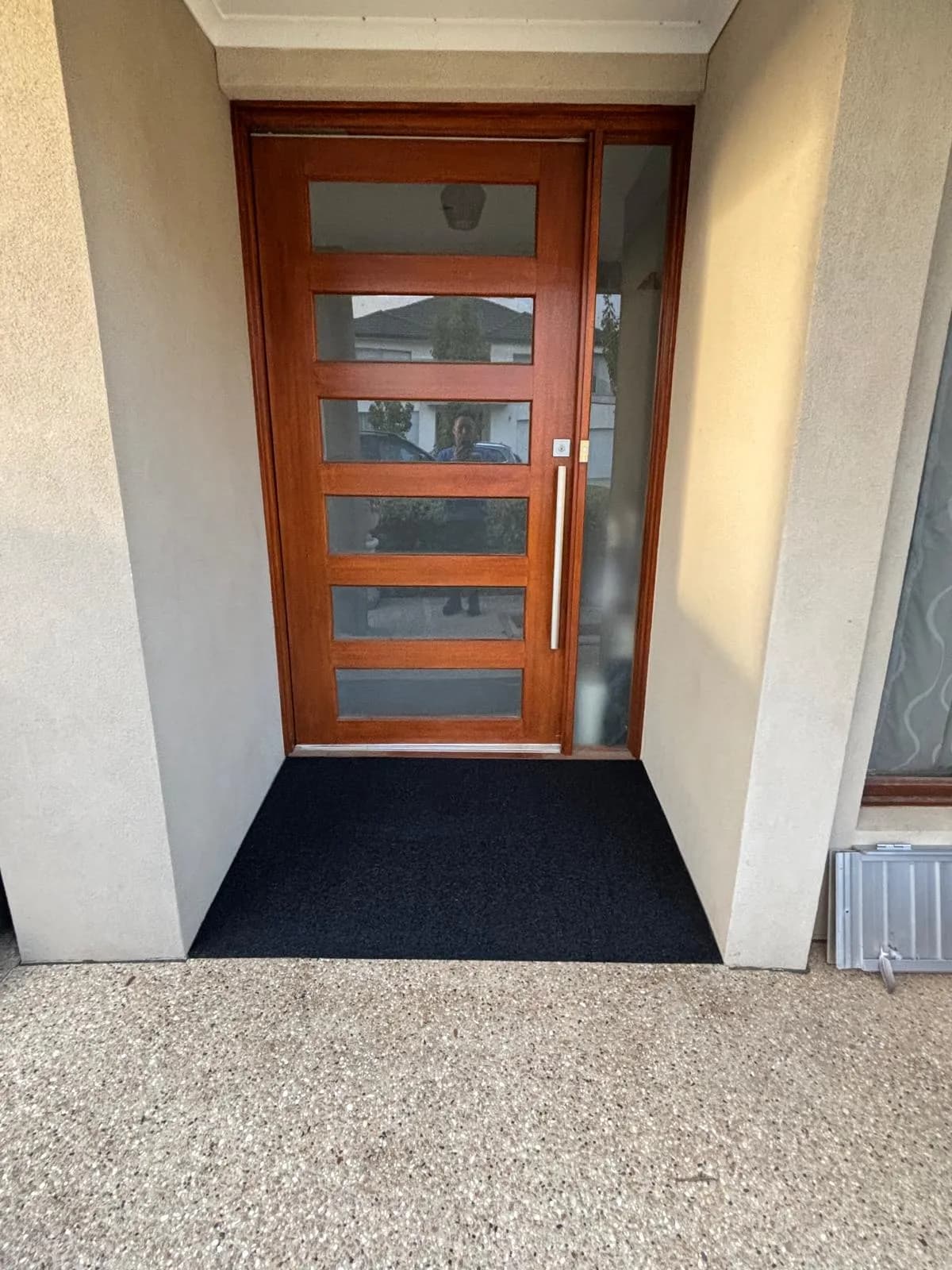
I have seen great tiles let people down because the installation missed the small stuff. Good floor tiling needs level surfaces, smart transitions between rooms, and careful attention to thresholds. Even a small lip can become a daily nuisance for someone with limited mobility.
I also think about traffic flow. Doors need space. Hallways need a clear path. Furniture should not force people to zig-zag like they are solving a puzzle. A good floor plan supports movement, and the tiles should fit that plan beautifully.
A few smart checks before you buy
Before you choose a tile, I would ask myself these simple questions:
- Does it stay safe when wet?
- Does it reduce glare?
- Can a walker or wheelchair move across it easily?
- Will I clean it without hassle?
- Does it suit the rest of the home?
If the answer is yes across the board, you are probably looking at the right floor tiling for an accessible home.
According to the Australian Government’s falls prevention guidance, home surroundings play a real role in falls risk, so I always treat flooring as part of the safety plan rather than a styling afterthought.
The smart middle ground
In the end, the best accessible floor does not chase trends just to look trendy. It respects the people who use the space. That usually means choosing floor tiling that gives you grip, low glare, easy cleaning, and a calm visual finish that still feels modern.
The good news is that you do not need to give up style to get all that. Melbourne homes can look sharp and still work brilliantly for older adults, families, and anyone who wants a safer, smoother home.
Conclusion
Choosing the right floor tiling for an accessible or senior-friendly home comes down to one simple idea: make life easier without making the home feel dull. I would start with matte porcelain for general living areas, textured tiles for wet zones, and large-format tiles where you want a cleaner, more open feel. Keep the finish low-sheen, the grout practical, and the layout clear, and you will create a home that supports ageing in place with a lot more style than people expect.
If you are planning a renovation in Melbourne, start with the floor and build the rest of the room around it. compare tile samples in real light, think about everyday movement, and choose a floor that still feels right years from now.
Frequently Asked Questions
What is the safest floor tiling for older adults?
I usually recommend matte, slip-rated porcelain because it offers a strong mix of grip, durability, and easy maintenance.
Are glossy tiles a bad idea for senior-friendly homes?
Not always, but I avoid them in most accessible spaces because they can create glare and feel slippery when wet.
Which rooms need the most careful floor tiling choice?
Bathrooms, laundries, kitchens, and entries need the most care because water and traffic show up there all the time.
Do large-format tiles help with accessibility?
Yes, they often do. They reduce grout lines and create a calmer visual flow, which helps rooms feel less busy.
How do I keep floor tiling low-maintenance?
I choose durable tiles, clean spills quickly, seal where needed, and avoid finishes that trap too much dirt.
Can floor tiling still look stylish in a senior-friendly home?
Absolutely. I think the best accessible homes look calm, modern, and welcoming. Safe does not have to mean boring.