Complete Guide to Access Steps for Safer Home Mobility
Published
Updated
8 min read
In this article
Melbourne homes have character. Some are sleek and modern, some are charming old terraces, and some seem to have been designed by someone who thought stairs, narrow halls, and awkward doorways were a great joke. That is exactly why Access Steps matter. They help turn a tricky home into a place that feels easier, safer, and far more practical to move through every day.
If you have ever carried groceries up a front step, helped a parent steady themselves near a bathroom, or tried to juggle a pram through a tight entryway, you already know the problem. Home mobility is not just about big modifications. It is about the small details that make daily life smoother, calmer, and safer.
Why Access Steps Matter in Modern Homes
For a local service option, I would start by looking at Reliable Access Steps Solutions in Melbourne so you can see how the right setup can support movement without making the home feel clinical or overbuilt.
At its core, Access Steps means creating a safer path in and around the home. That might include a better front entry, a more stable way to move between levels, or a cleaner connection from the driveway to the door. It sounds simple, but when it works well, it can feel like the whole house breathes easier.
The best part is that good mobility upgrades do not have to scream for attention. Done well, they blend in. They look neat, feel natural, and quietly do their job every single day. That is the sweet spot: practical, stylish, and sensible.
Simple Home Changes Can Make a Big Difference
I always think of home safety like good tailoring. A home should fit the people who live in it. If the fit is off, even a beautiful house can become frustrating. If the fit is right, everything feels easier, from carrying laundry to moving with a walker or cane.
Before you change anything, take a proper look at how you move through the home. Ask yourself where you slow down, where you grip the wall, and where you quietly mutter, “That step again.” Those little moments are clues. They point to the places where Access Steps can make the biggest difference.
A simple home walk-through helps too. Start at the front gate, then move to the driveway, entry, hallway, bathroom, laundry, and backyard. Notice surfaces, height changes, lighting, handholds, and any spots that feel slippery or cramped. This kind of check gives you a clear plan instead of a random list of fixes.
For official guidance, the Victorian Government explains how residents can request home changes for disability or health and safety reasons on its page about making modifications and alterations to your home
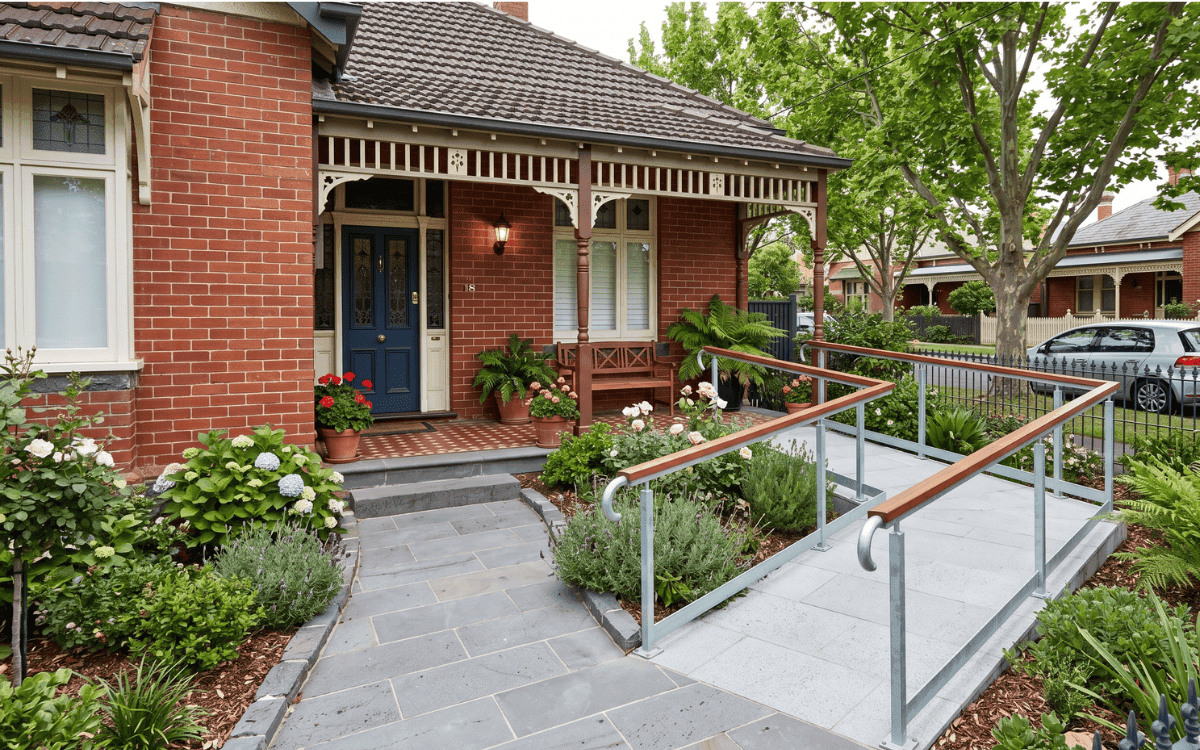
Why Access Steps Matter More Than You Think
A lot of people assume home safety only becomes urgent after a fall, surgery, or major mobility change. In reality, smart improvements work best before things reach that point. They help reduce strain, support confidence, and make everyday routines less of a hassle.
Here is what strong Access Steps can do:
- reduce the chance of trips and slips
- make entry and exit easier for older adults
- help with walkers, wheelchairs, and prams
- support people recovering from injury
- improve access for visitors and family members
- make the property more future-friendly
That last one matters more than people admit. Even if you are young and mobile now, life changes fast. A home that works well today should still work when your needs shift later.
The Main Types of Access Steps Solutions
Not every home needs the same answer. A narrow hallway terrace in Fitzroy will not need the same fix as a family home in Werribee. The trick is matching the solution to the space.
| Solution | Best for | Why it helps |
|---|---|---|
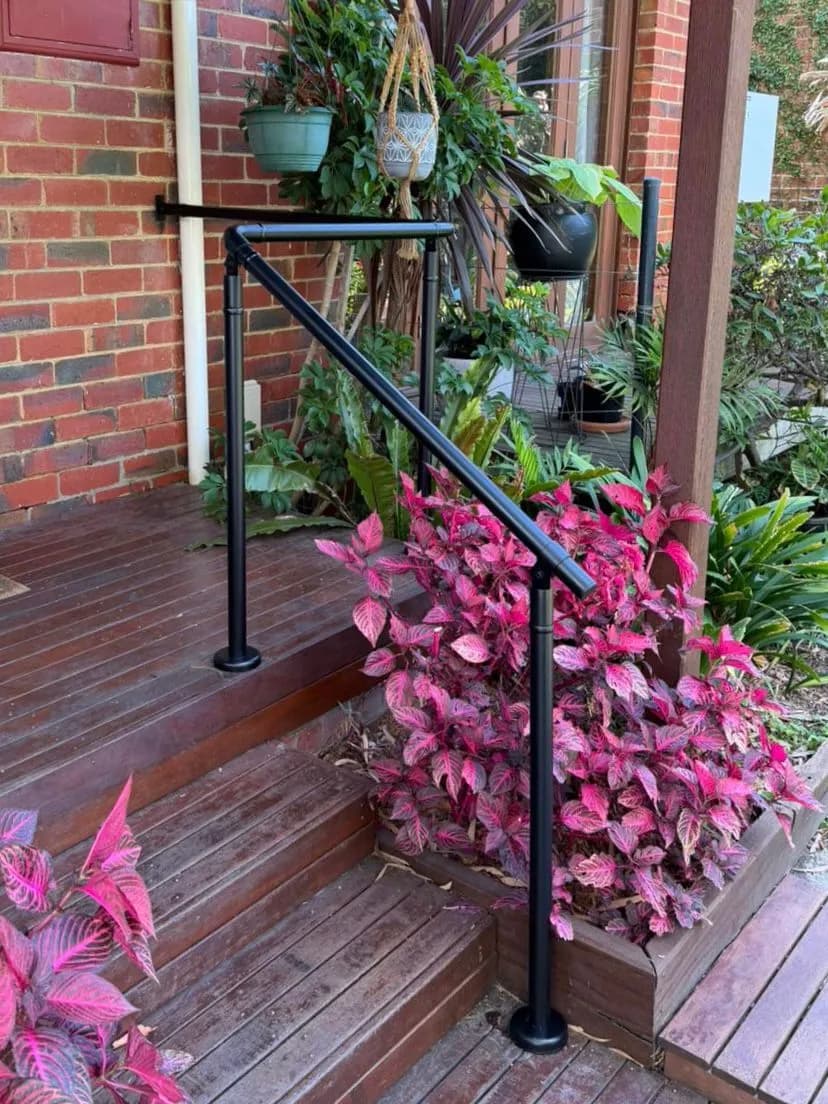
| Front entry steps with handrails | Homes with one or more external steps | Adds stability and confidence |
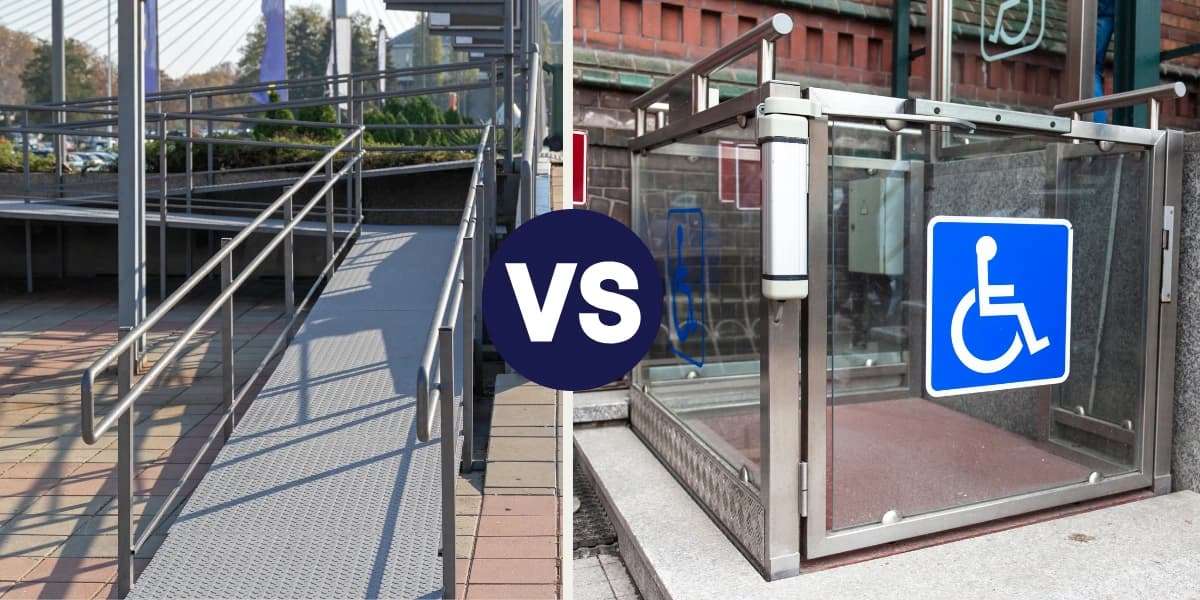
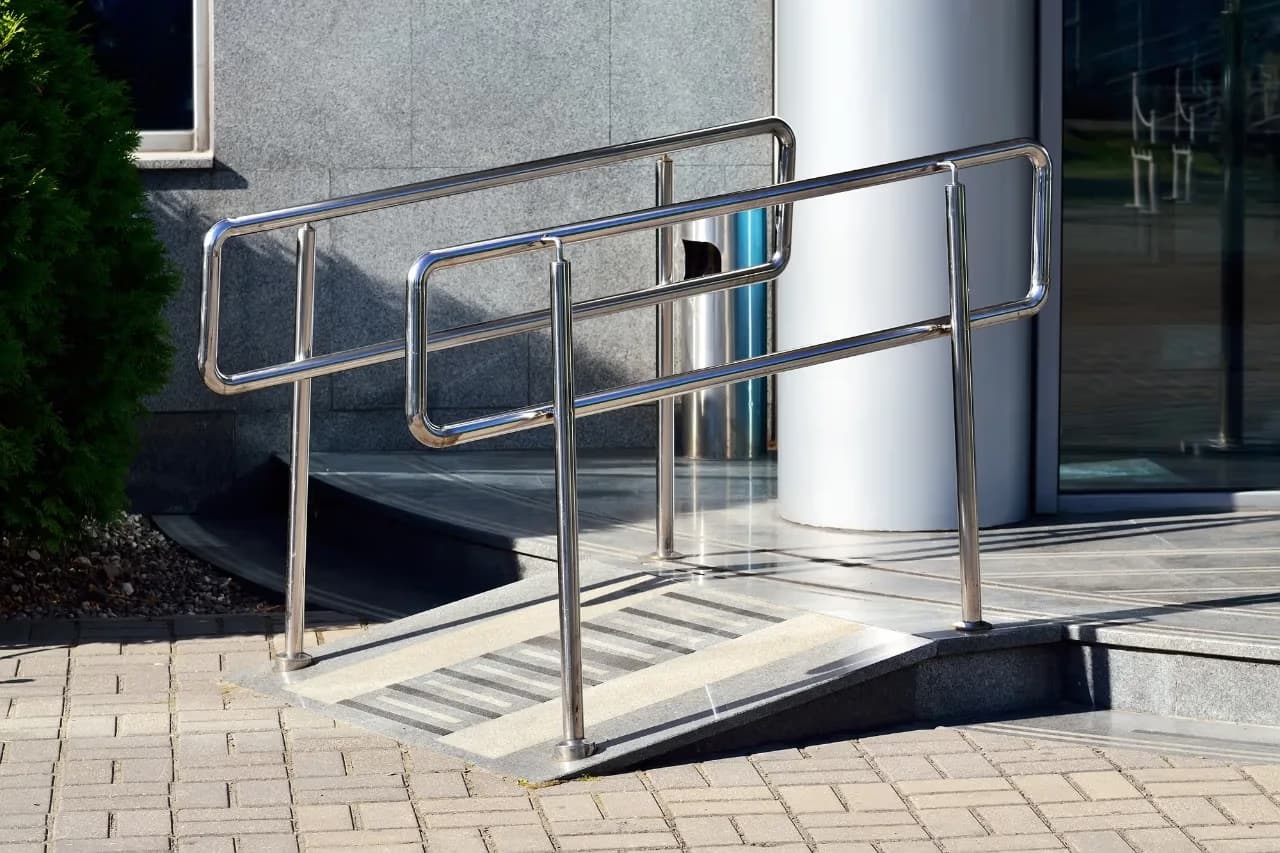
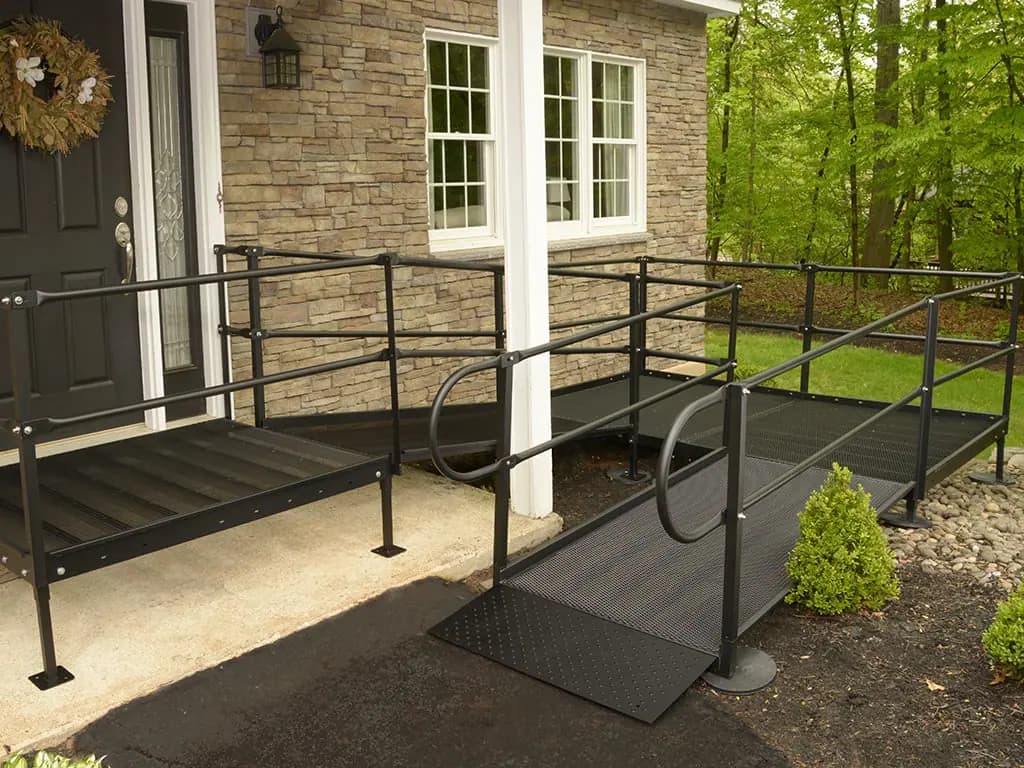
| Access ramps | Wheelchairs, walkers, prams | Smooths out height changes |
| Step lighting | Dark entries and garden paths | Improves visibility at night |
| Threshold adjustments | Doorways and small level changes | Makes movement less awkward |
| Wider step treads | Narrow or steep steps | Gives you a steadier footing |
| Non-slip finishes | Wet or exposed areas | Lowers slip risk |
Each of these Access Steps options solves a different problem. Often, the smartest result comes from mixing two or three small upgrades rather than going straight to a big build.
Room-by-Room Safety: Where to Start
The front of the house usually gets the most attention, but the journey does not stop at the door. Once someone enters the home, they still need to move safely from room to room.
In the entry, aim for clear space, stable footing, and a simple handhold if needed. In the hallway, keep pathways free from clutter and make sure lighting covers the full route. In the bathroom, non-slip flooring and grab rails can change the whole feel of the space. In the laundry, good floor grip and easy reach matter more than fancy finishes. In the backyard, a stable path is worth its weight in gold, especially if the ground is uneven.

What I Would Check Before Installing Access Steps
Before you commit to any design, I would look at these practical points:
- How often do you use the space?
- Who uses it most?
- Is the issue about height, grip, width, or lighting?
- Do you need a temporary solution or a long-term one?
- Will the upgrade suit the look of the home?
- Can the solution support future needs too?
That last question is important. A good solution should not only solve today’s problem. It should also give you a bit of breathing room for tomorrow.
Access Steps and the Melbourne Lifestyle
Melbourne living has its own rhythm. We deal with wet weather, older homes, tight blocks, and a mix of street levels that seem to have been arranged by a mischievous architect. That makes Access Steps especially valuable here.
You want something that works in real conditions, not just on a polished brochure. A good setup should handle rain, daily wear, busy family traffic, and the occasional delivery run. It should also look decent from the street, because nobody wants their front entry to resemble a construction site forever.
That is why I like modern mobility upgrades that lean into clean lines and smart materials. They do the job, but they still look good. Practical does not have to mean boring.
Choosing the Right Access Steps Partner
When you speak with a specialist, bring photos, measurements, and a quick note on what frustrates you most. That makes the conversation sharper and saves everyone time.
A good provider should listen first, then recommend. Not every home needs a dramatic overhaul. Sometimes a small, well-placed fix gives you the result you need without overcomplicating the space. That kind of advice usually comes from experience, not guesswork.
You also want someone who thinks about safety, style, and daily use together. A ramp that feels awkward will not get used properly. A handrail that looks clunky can make the home feel worse, not better. The right solution should feel calm, tidy, and dependable.
Common Mistakes People Make
A few mistakes show up again and again:
- choosing looks over safety
- adding a fix without checking the whole path
- ignoring night-time lighting
- making steps too steep or too narrow
- forgetting future mobility needs
The good news? These mistakes are easy to avoid once you slow down and plan properly. A thoughtful Access Steps setup should feel like part of the home, not an afterthought bolted on at the end.
A Simple Way to Think About Home Mobility
Here is my rule of thumb: if movement feels hesitant, the design needs a rethink. Your home should not ask you to work harder than necessary. It should support you quietly in the background.
That is the real value of Access Steps. They make the everyday stuff feel less like an obstacle course and more like normal life. And honestly, that is what a home should do.
Conclusion
Safer home mobility starts with noticing the friction points, then choosing fixes that make daily movement easier, steadier, and more natural. Access Steps can improve safety, boost confidence, and help a Melbourne home feel more liveable without losing its personality.
If your entry, hallway, or outdoor path feels awkward now, do not wait for it to become a bigger problem. Start with a simple assessment, map out the trouble spots, and choose upgrades that suit the way you actually live. Working with an experienced house renovator can also help you create mobility-friendly spaces that still feel stylish, modern, and comfortable.
Take a walk through your home today and spot the one place that slows you down most. Then talk to a local mobility specialist and turn that problem spot into a smoother, safer path forward.
Frequently Asked Questions
What are Access Steps in a home mobility context?
Access Steps are home entry or movement solutions that help people move safely through areas with level changes, narrow paths, or unstable footing.
Do Access Steps only suit older adults?
Not at all. They help anyone who wants safer movement at home, including families with prams, people recovering from injury, and residents who use mobility aids.
Are ramps better than steps?
Neither is always better. It depends on the home, the height change, and how the space gets used. A ramp works well in some homes, while stepped access with rails suits others.
How do I know what my home needs?
Start with a walk-through. Look at the entry, paths, stairs, bathroom, and lighting. If movement feels awkward in a spot, that area probably needs attention.
Can Access Steps improve property value?
Yes, they can. Safe, practical, and well-finished mobility upgrades often make a home more appealing to a wider range of buyers and occupants.
What is the most important safety feature to add first?
In many homes, the best first move is better entry safety. That usually means stable footing, non-slip surfaces, and a solid handrail or ramp where needed.