Skip to content

Mon–Fri: 9:00 AM – 5:00 PM

Vital Ease — home modification and maintenance solutions

Closing the doorbehind you.

An adjustable strap that gives you something to pull on, for anyone who cannot reach back to a handle from a chair or turn around in a doorway.

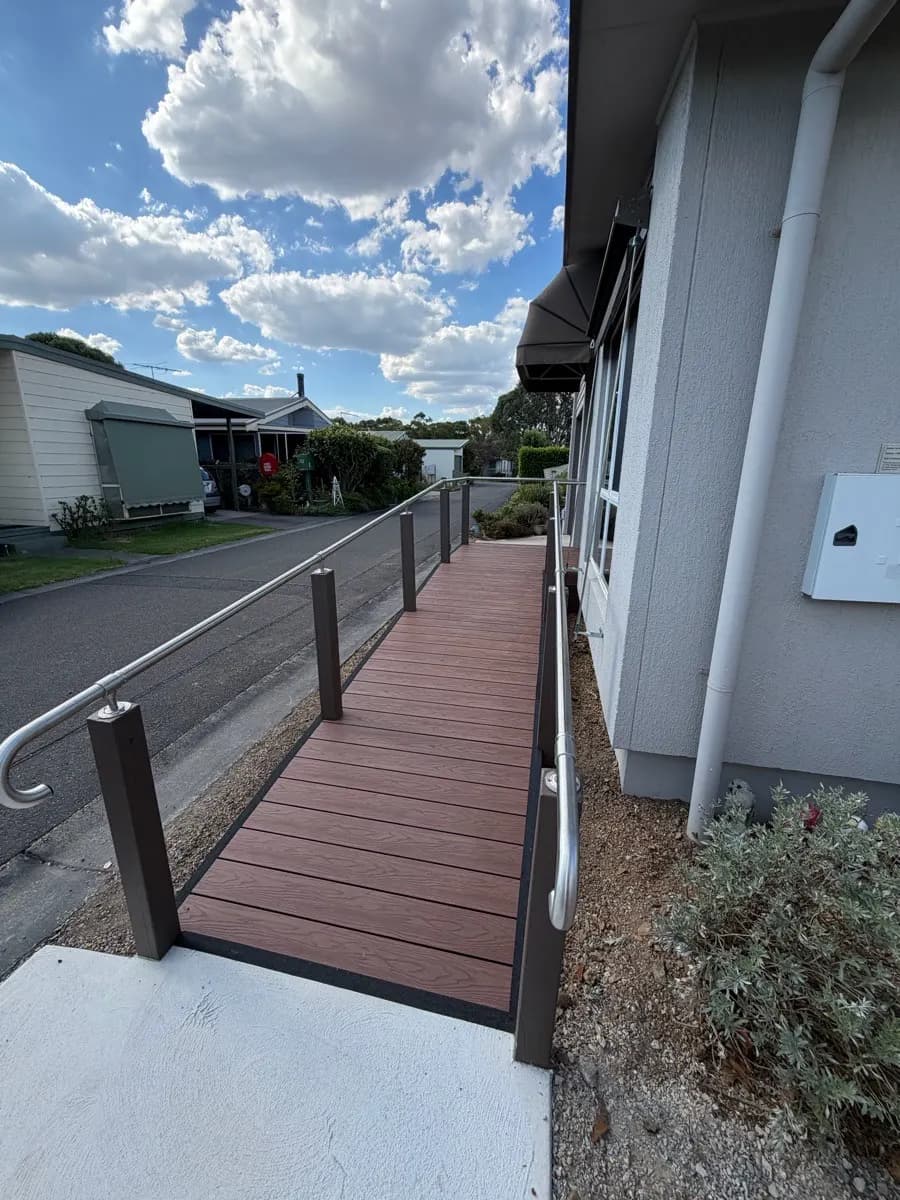
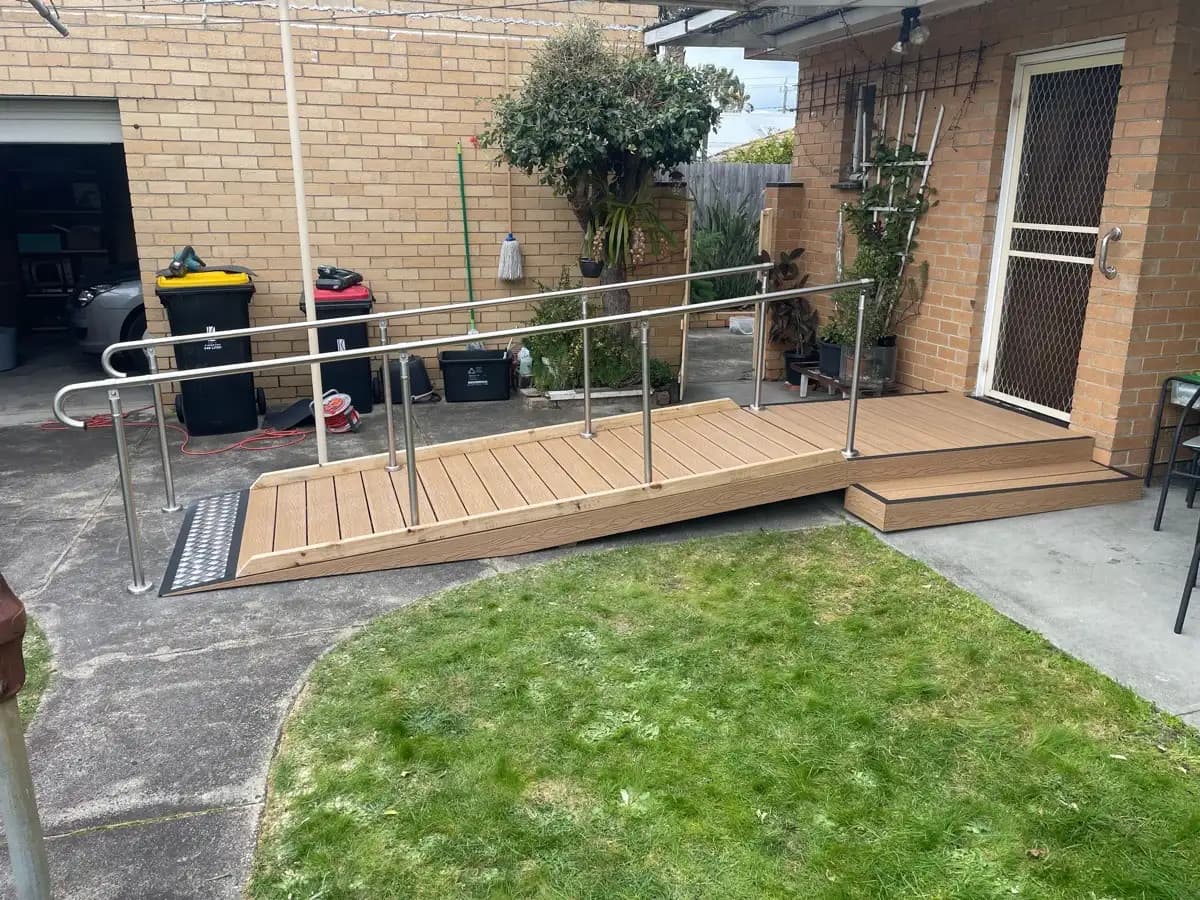
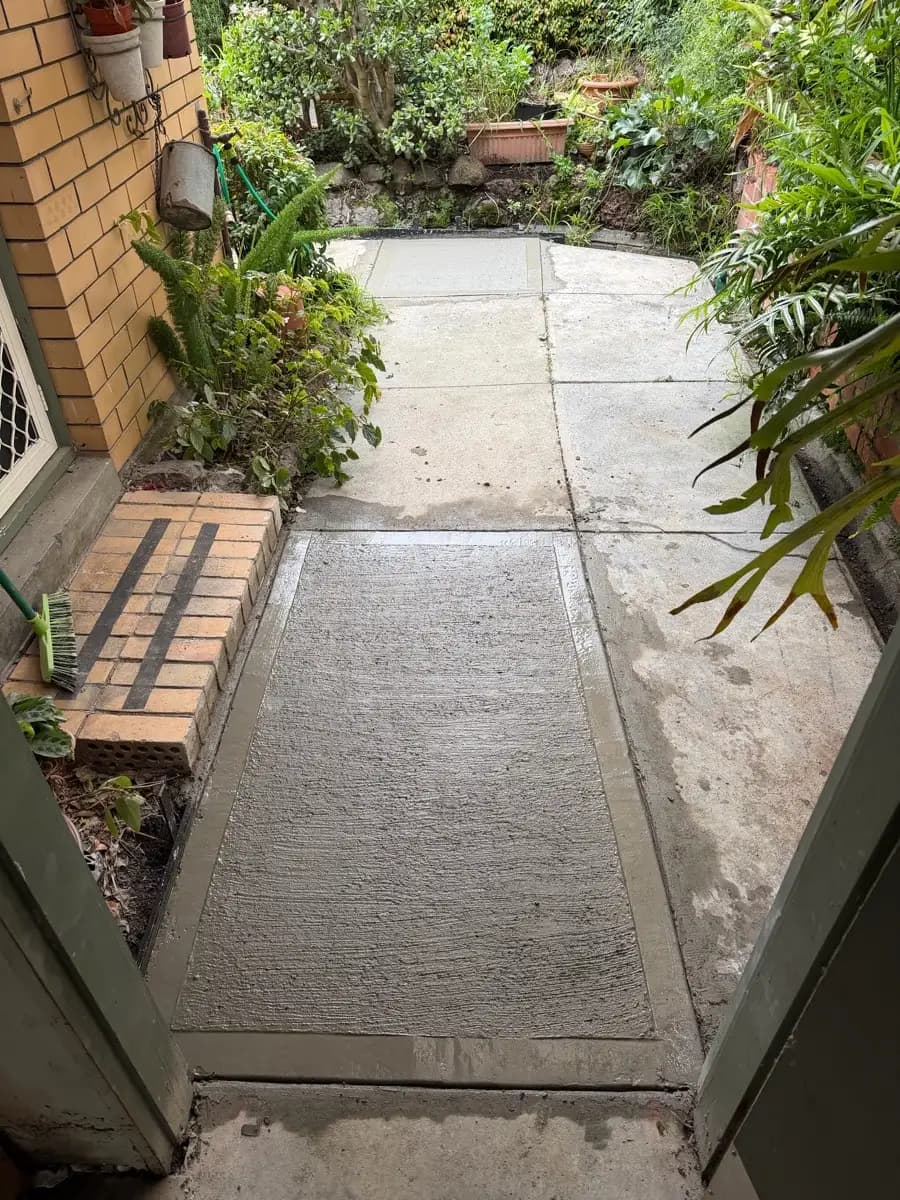
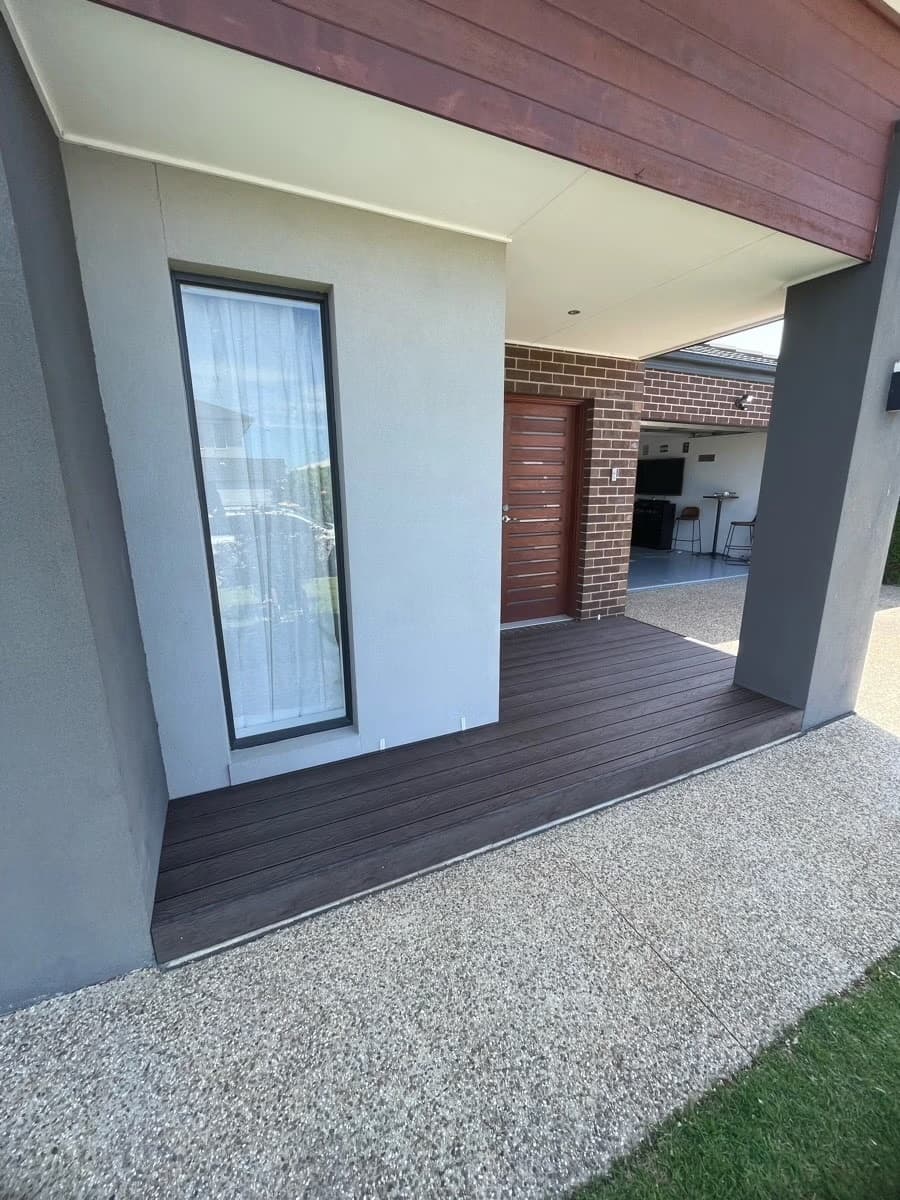
A clear, widened approach to a doorway at a Melbourne home, seen before and after the path was cleared

The handle is behind you,and out of reach.

Going through a door in a wheelchair is straightforward. Closing it again is not: once you are through, the handle is behind your shoulder and above the level you can comfortably reach, and there is nothing else on the door to take hold of.

The same problem turns up without a chair. Anyone who cannot turn easily — after a hip replacement, with a frame, or with limited shoulder movement — ends up reversing back into the doorway to get at the handle, which is exactly where a fall happens.

A strap fixes it by putting something to pull on where the hand actually is. It is one of the least expensive things we fit, and it is quietly one of the most useful for anyone using a chair every day.

Book a free measure and quote

Strong, adjustable,and easy to use.

A simple fitting that has to survive being pulled hard, several times a day, for years.

  • Adjustable to your door and your reach

    The length is set on the day to suit the width of the door and the height the person actually pulls from — a strap set for a standing adult is useless from a wheelchair, which is the commonest mistake with these.

  • Built to be pulled, not to look tidy

    A woven strap with a moulded buckle and stainless fixings. It is heat and impact resistant, because a strap on a laundry or an external door lives in the weather and gets caught in the door itself.

  • Fits the doors people actually have

    Aluminium and steel screen doors take the standard fixings. A timber door is fixed with screws. We check yours at the visit and bring what it needs.

  • Nothing to learn and nothing to maintain

    It is a strap. There is no mechanism to fail, nothing to charge, and nothing that stops working when the power goes off.

Vital Ease at a glance

Projects completed
300+

Projects completed

Agreements with Home Care Package and NDIS providers
100+

Agreements with Home Care Package and NDIS providers

Valued customers
200+

Valued customers

  • NDIS — National Disability Insurance Scheme registered provider
  • State-wide Equipment Program approved supplier
  • Victorian Building Authority registered builder
  • Home Care Packages approved provider

Who we fitthese for.

  • Anyone using a wheelchair or scooter

    The main case, and the one it is designed around. Screen doors and laundry doors are the two most often asked for.

  • People with limited reach or shoulder movement

    Where turning to reach a handle behind you is the difficult part rather than the pulling.

  • After a hip or knee replacement

    Twisting in a doorway is one of the movements people are told to avoid, and it is one they do without thinking.

  • Carers and family

    Managing a door and a person at the same time is easier with something to hold that is not the person.

Before you book,two things to know.

  • It is fixed work, and it means drilling

    The strap is screwed into the door so it cannot pull away under load. There is no adhesive version — a strap is pulled hard by design, which is precisely what adhesive fails at.

  • It is rarely worth a visit on its own

    The strap costs very little and the visit costs more than the part. We would rather fit it alongside a rail, a magnet, or a threshold on the same trip than send someone out for one strap.

  • If you rent, ask first

    You will need the owner’s or the agent’s permission, since it puts screws into a door. Most agree readily once they see what it is.

  • Tell us the door and who is pulling it

    A timber door, an aluminium screen door, and a steel security door each take different fixings, and the length depends on the height the person pulls from. Both are settled on the visit rather than guessed.

Brochuresand guides.

The documents an occupational therapist or a plan manager usually asks us for. We are preparing these now — ring or email in the meantime and we will send what you need.

Product brochures

  • Adjustable door pull strapsComing soon

Quote request requirements

  • Door pull straps — what we need to quoteComing soon

How the jobactually runs.

  1. Quoting

    Quoted to the occupational therapist’s specification where there is one. Usually quoted alongside other door or rail work rather than on its own. Funding is approved before we start.

  2. On-site consultation and installation

    The same tradesperson checks the door, sets the strap length to the person’s reach, and fits it. A few minutes once they are on site.

  3. Warranty

    The work is carried out by licensed tradespeople and backed by the relevant warranties. If something is not right, ring the same number you rang the first time.

Getting it openis the other half.

A strap closes a door behind you. Holding it open while you go through, with both hands on a frame or a chair, is what a magnetic catch does.

The two solve opposite halves of the same doorway and are usually fitted together.

See door magnets

Questions

What people ask aboutadjustable door pull strap.

Frequently Asked Questions

Will it fit my door?
Almost certainly — the strap is adjustable and covers the range of standard residential door widths. The part that varies is the fixing: aluminium and steel screen doors take the standard hardware, and a timber door is screwed. Tell us which you have when you ring and the fitter brings the right fixings.
Can I have one without drilling?
No, and we would not fit one that claimed otherwise. A pull strap exists to be pulled hard, several times a day, for years — that is exactly the load adhesive fails under, and a strap that lets go while somebody is pulling on it from a chair is worse than no strap.
Is it worth booking a visit just for this?
Usually not. The strap costs very little and the call-out costs more than the part, so we would rather add it to a visit that is already happening — a rail, a magnet, a threshold. If you have nothing else planned, ring us anyway and we will tell you honestly whether it is worth it.
What height should it be set at?
To the person, not to the door. From a wheelchair the pull comes from around lap height and a strap set for a standing adult is unusable; the same is true in reverse. It is one of the few things about this product that can be got wrong, so it is set on the day with the person there.
Will it get caught in the door?
It can if it is set too long, which is why the length is adjusted on site. Set correctly the strap sits clear of the closing edge. On an external or screen door we err slightly shorter, because a strap caught in a door in the weather is what wears one out.

Can’t see your question? Call us on +61 3 8658 1358 — we’re happy to talk it through.

Let us make your homework for you.

Ready to start your modification journey? Contact our team.

Ready to make your home safer and more accessible? Our team is here to help from your first consultation through to the final handover. Let’s talk about what’s possible for your home.

+61 3 8658 1358Contact us
Open
Mon–Fri: 9:00 AM – 5:00 PM
Serving
Melbourne & Sydney

Before you go

Still working outwhat your home needs?

A five-minute call is usually enough to tell you what is possible and roughly what it costs — no obligation, no pressure.