Assistive technology for safer,more independent living.
Simple devices that make everyday tasks safer, so you can stay confident at home, without any building work.
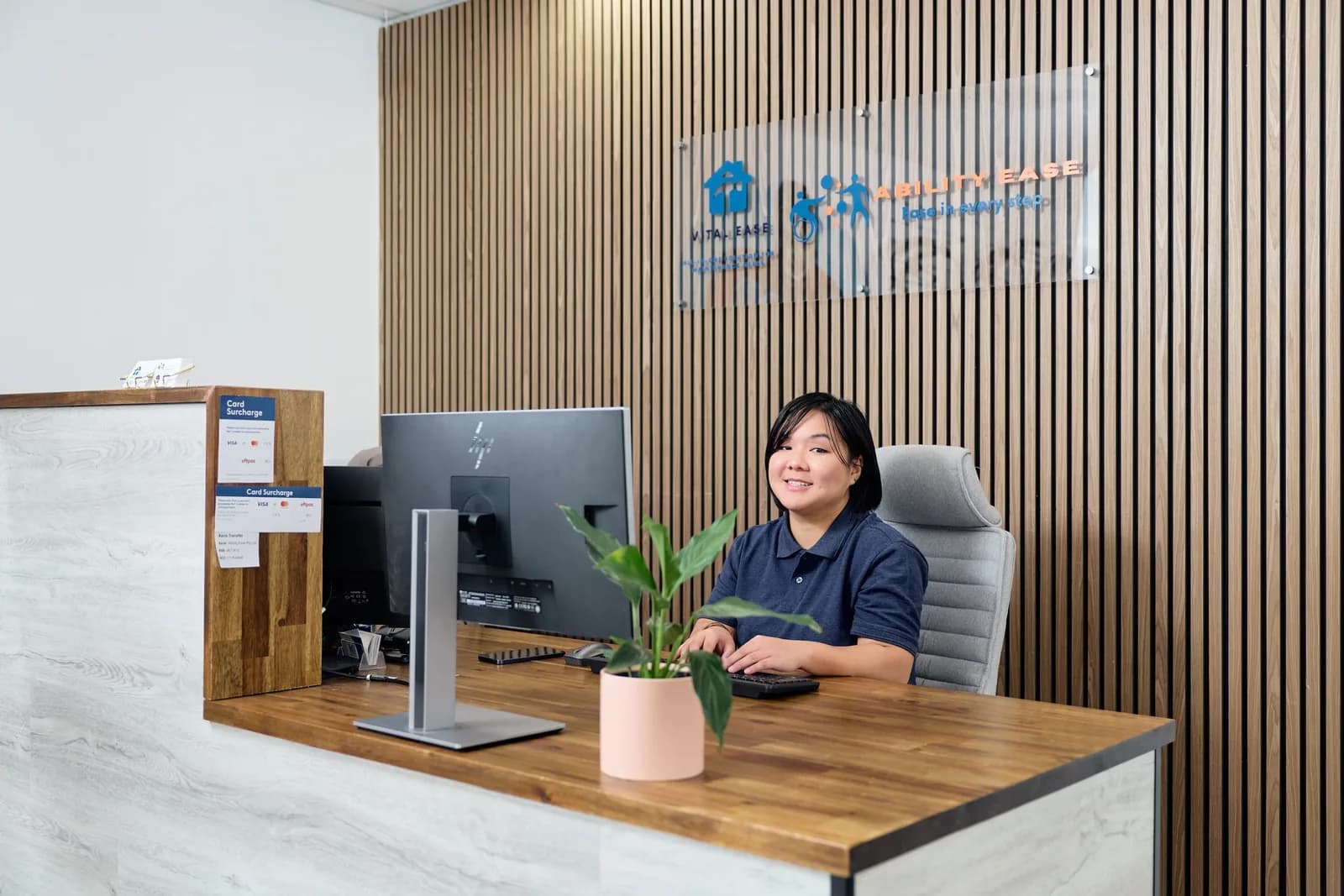
Equipment from our sistercompany, Ability Ease.
Some things that make a home safer aren’t built in at all. A walker, a shower chair, or a lift recliner is chosen to suit you and used from the day it arrives. It is much easier to choose when you can try it first.
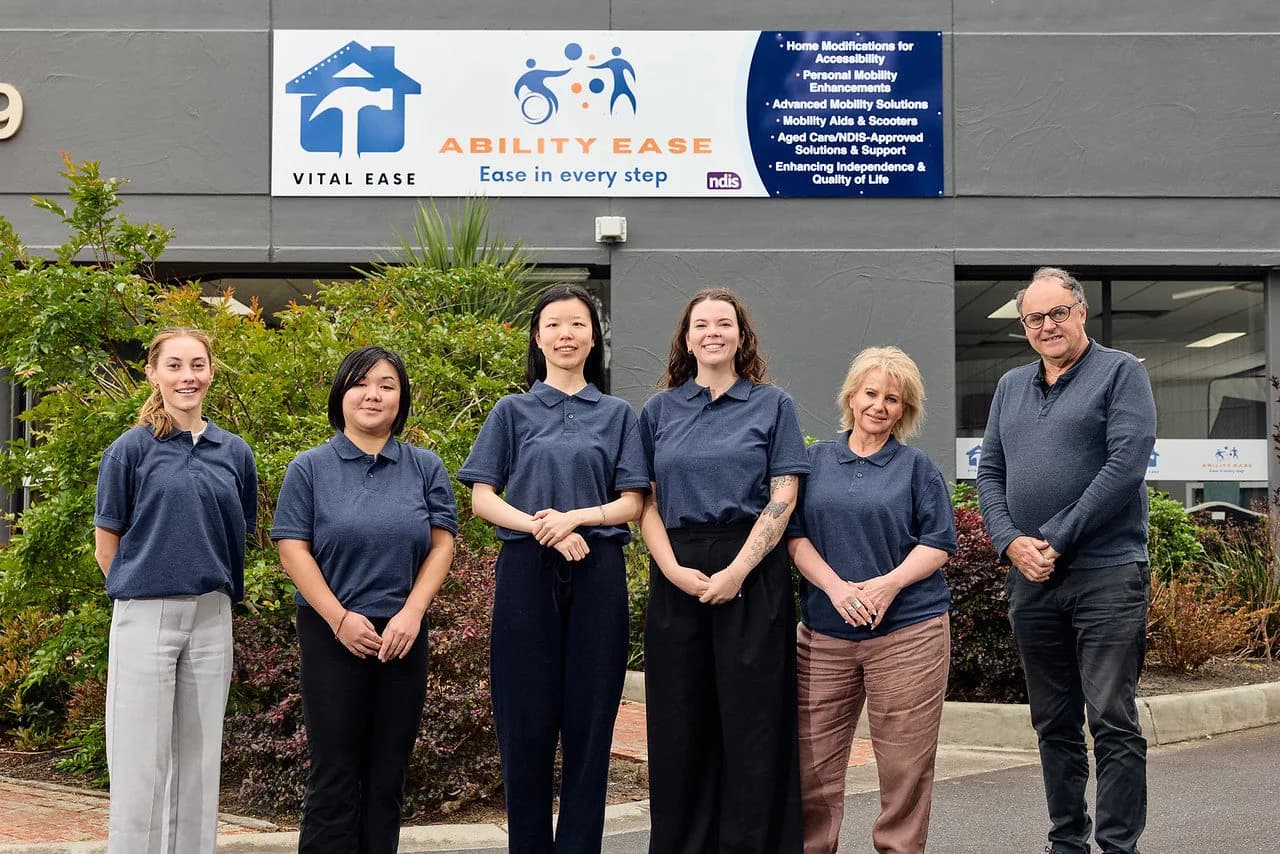
That is what Ability Ease is for. It is our sister company. It runs a mobility aids and equipment store in Victoria. At its showroom, you can try things and get friendly advice before you buy.
If your occupational therapist has recommended both a home change and some equipment, such as a rail and a shower chair, ask us about both.
Try it first,in the showroom.
Sit in it, push it, and ask questions before you buy. Photographs from Ability Ease.
Equipment and devicesfor a safer home.
Equipment to try and buy at Ability Ease, in store and online, and the devices we supply and install in your home.
Mobility aids
Walkers and rollators, indoor walkers, knee walkers, walking canes and crutches, and folding and transit wheelchairs, with the accessories that go with them.
Bathroom and toileting aids
Shower chairs and stools, shower accessories, commodes, toileting aids, and personal hygiene products.
Beds and bedroom
Homecare beds, bed rails, mattresses and mattress protection, bed pads, over-bed tables, and pillows and cushions.
Chairs and recliners
Lift and recline chairs, day chairs, and chair accessories, for sitting down and getting up again without strain.
Daily living aids
Dressing and reaching aids, household aids, kitchen and mealtime aids, anti-slip mats, and falls prevention products.
Equipment hire
Recovering from surgery or going through rehab? Equipment can be hired for as long as it is needed, with hire-to-purchase on selected items. Minimum hire periods and terms apply.
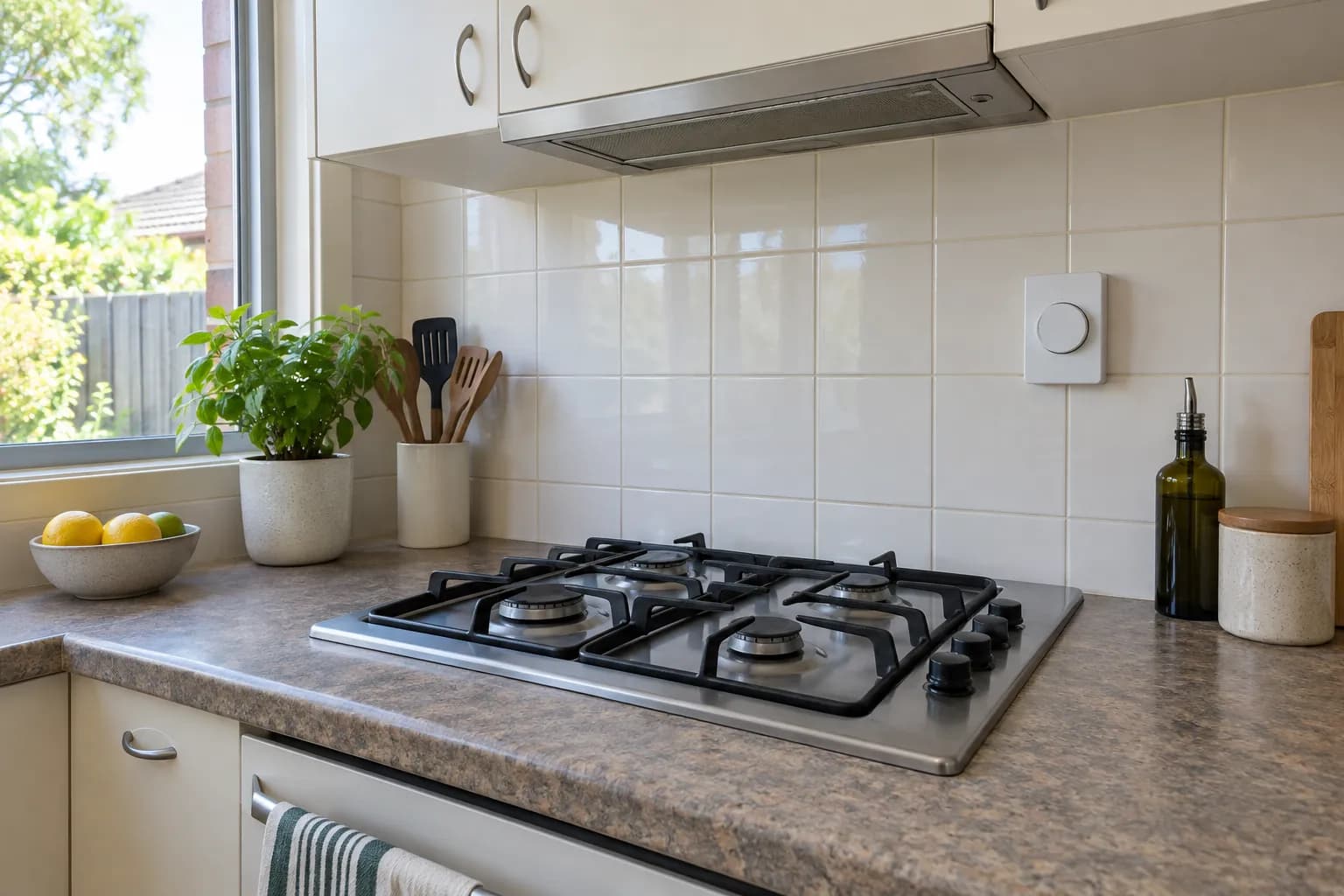
Stove timers and gas isolation
Turns the stove off by itself after a set time. A key switch can turn the gas off completely when needed.
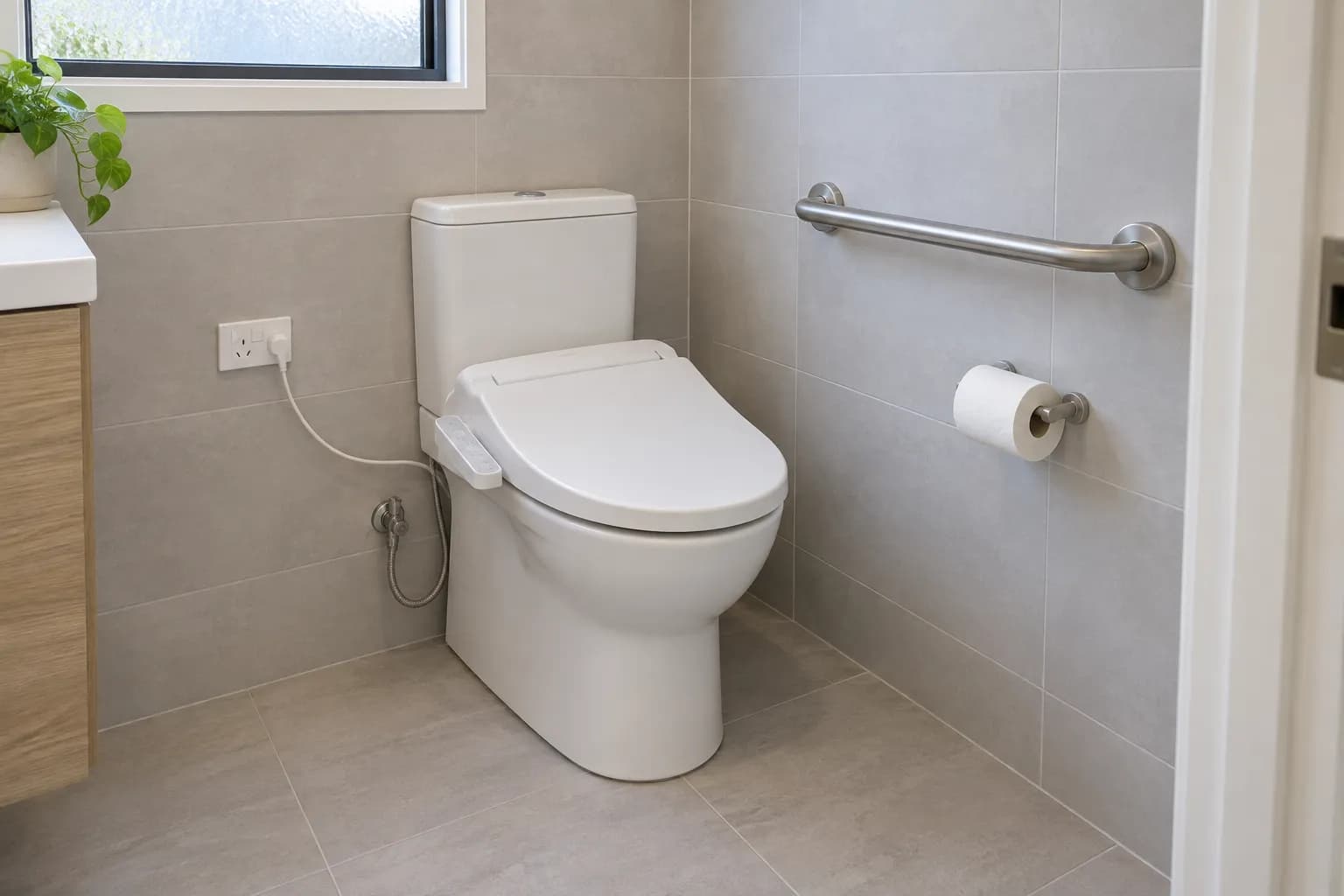
Bidets
Fitted with the power point, plumbing, and safety valve it needs, by licensed trades. Independence in the bathroom.
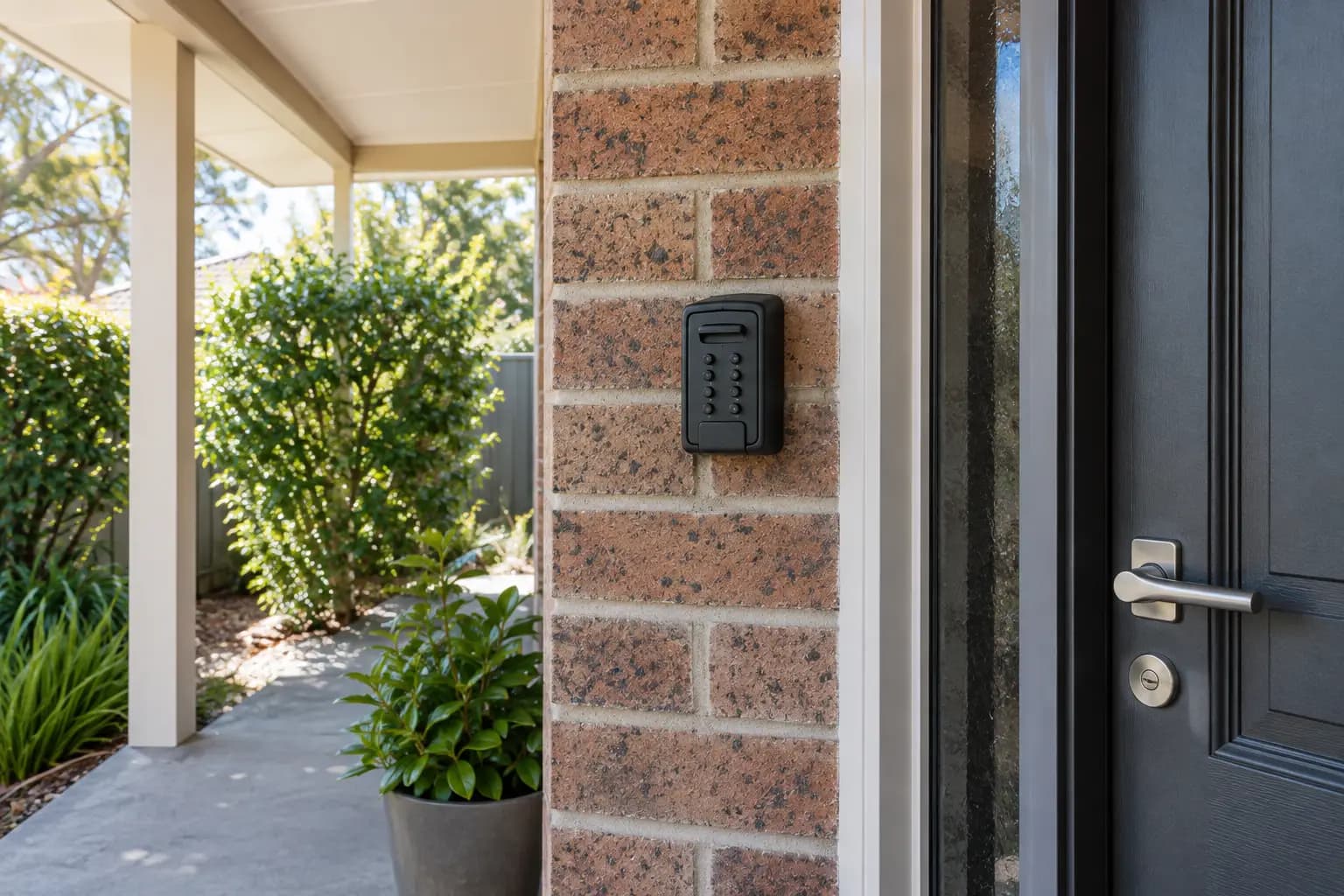
Key safes
A locked box on the wall for a spare key, opened with a code, so carers and family can let themselves in.
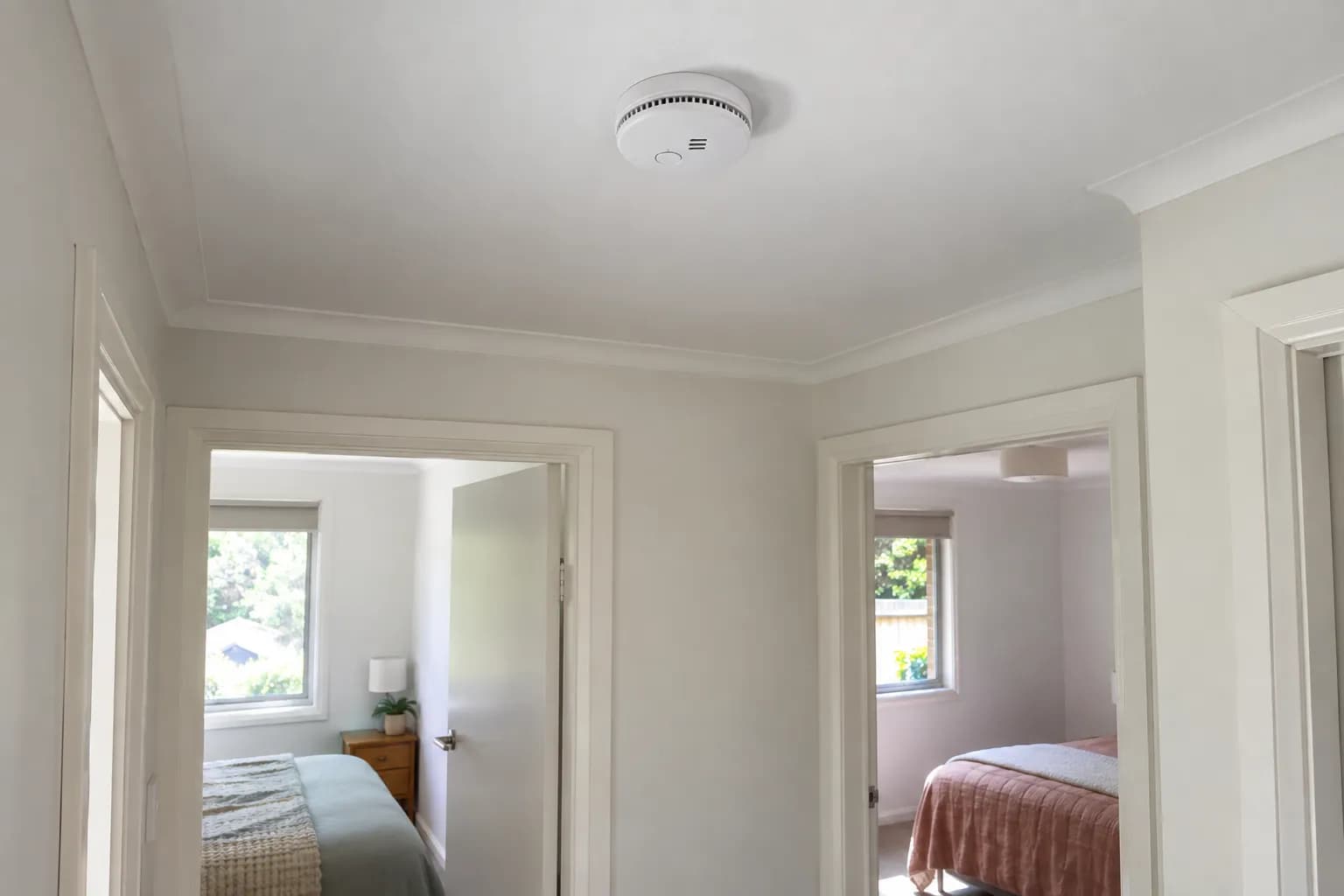
Home alerting systems
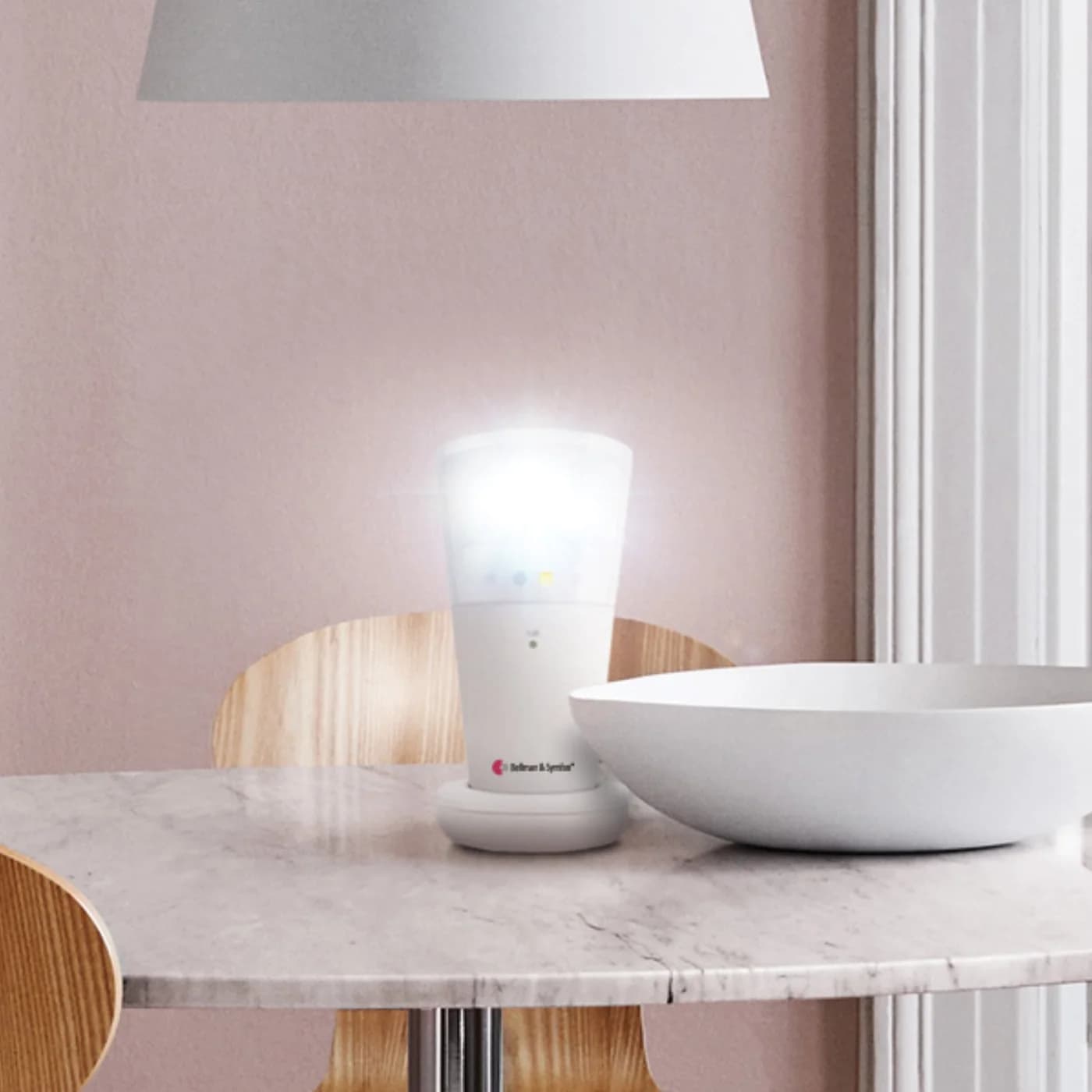
A flashing light, louder sound, or bed shaker for the doorbell, phone, and smoke alarm, if you are hard of hearing.
Inside theAbility Ease range.
A few of the everyday aids Ability Ease carries, from the bathroom to the bedroom. Photographs from Ability Ease.
A device can fixwhat building can’t.
Most of our work changes the building: a rail on the wall, a ramp at the door. That is the right answer when the house is the problem.
Sometimes the house is fine and a task is the problem. Someone has left the stove on twice. Someone can’t get to the door in time for a carer. Someone is deaf and would sleep through the smoke alarm.
Building work won’t fix those, but a small device, fitted properly, will.
Who these deviceshelp most.
They are most often recommended for these three groups of people.
People who are often home alone
If nobody is there to help, a device can. The stove turns itself off, a carer can let themselves in, and you will hear or see the smoke alarm.
People whose memory is changing
The devices work by themselves. There is nothing new to learn or remember.
Carers, family, and support workers
You can let yourself in with a key safe, and you know the stove won’t be left on.
Vital Ease at a glance
- Projects completed
- 2,000+
Projects completed
- Agreements with Home Care Package and NDIS providers
- 250+
Agreements with Home Care Package and NDIS providers
- Valued customers
- 1,000+
Valued customers

How an installationworks.
A clear quote
We quote to your occupational therapist’s report, and tell you if anything won’t work in your home. Funded work is approved before we book it.
Fitted by the right trade
Our tradespeople fit it, with a licensed electrician or plumber where the job needs one.
Handover and warranty
We show you, and your carer, how it works. All work is backed by the relevant warranties.
Not sure what you need? Call us for a free phone consultation, and we’ll talk you through the options. No obligation.
Questions
What people ask aboutassistive technology.
Frequently Asked Questions
What is the difference between assistive technology and a home modification?
Is assistive technology covered by the NDIS or a Home Care Package?
Do I need an occupational therapist’s report before you install anything?
Can you install a device I have already bought?
Can’t see your question? Call us on +61 3 8658 1358 — we’re happy to talk it through.
More from Vital Ease
The rest of whatwe do.
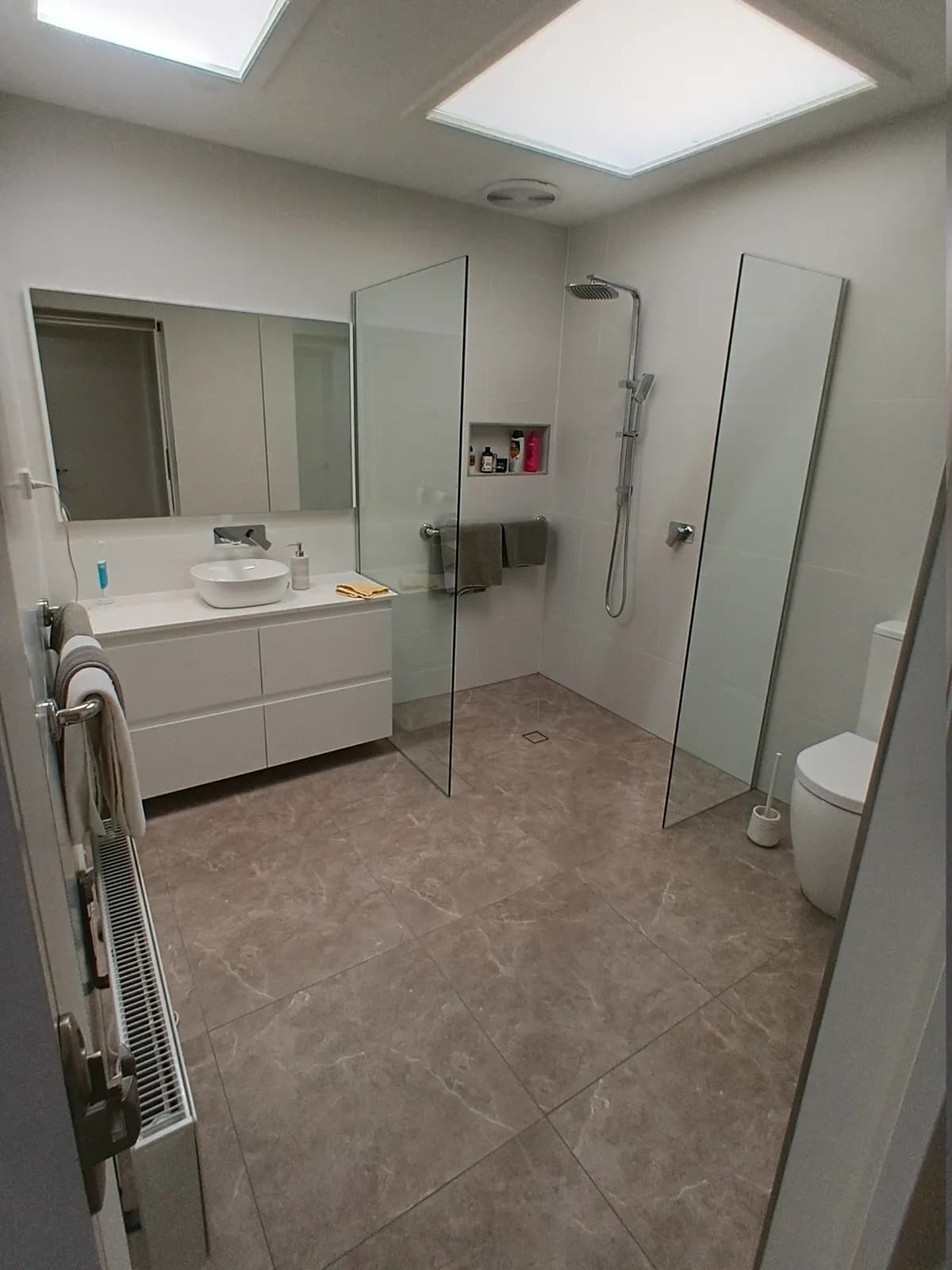
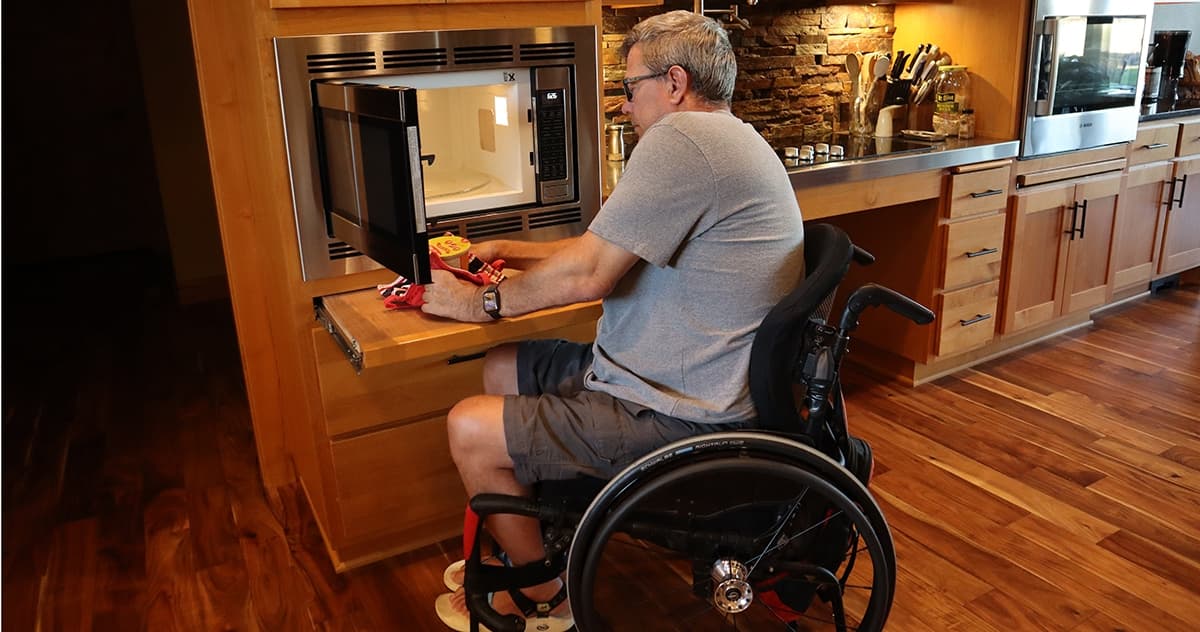
Let us make your homework for you.
Ready to start your modification journey? Contact our team.
Ready to make your home safer and more accessible? Our team is here to help from your first consultation through to the final handover. Let’s talk about what’s possible for your home.