
The path betweeneverything else.
Smooth, level paths, driveways, and landings that join your ramp or steps to the street, wide enough for a wheelchair or walker. Across Victoria and New South Wales.
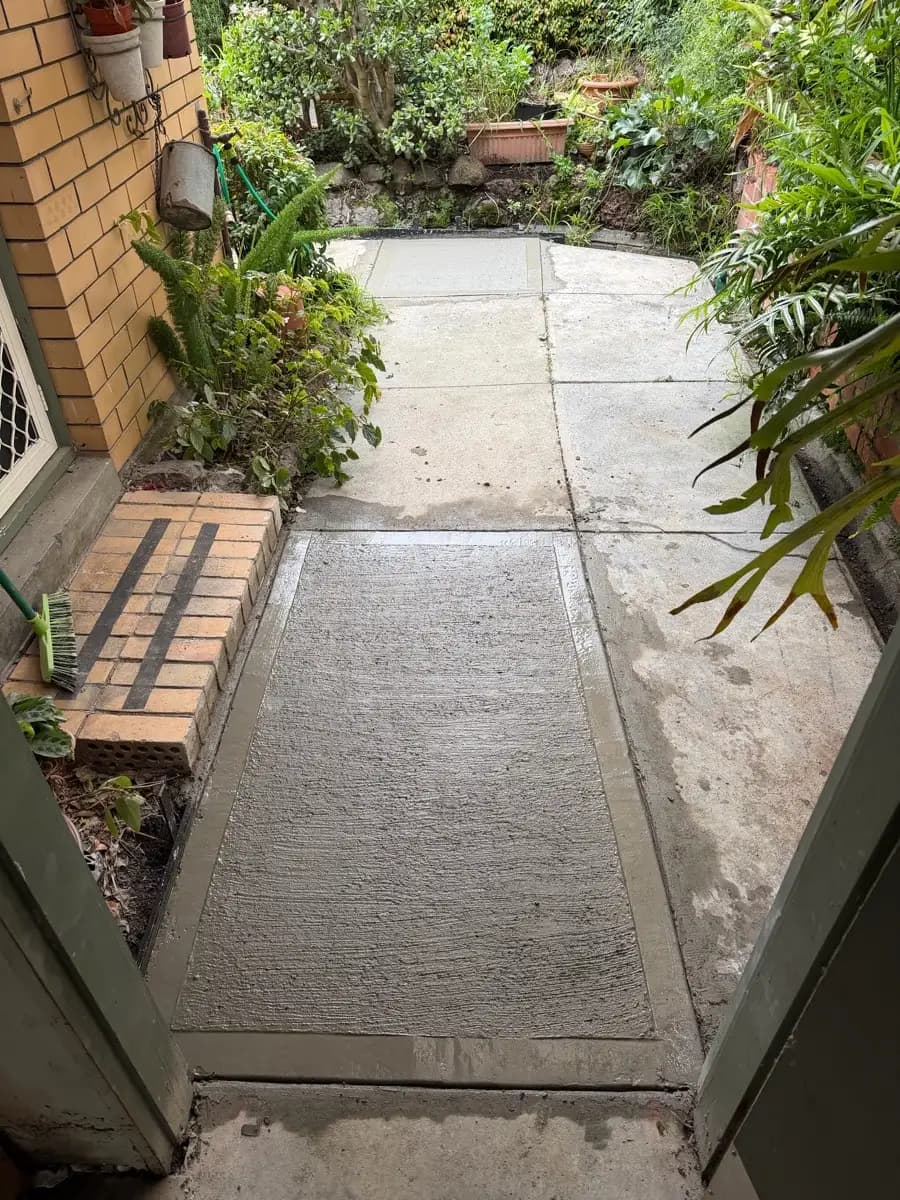
A ramp needsa path that works.
It happens a lot. A ramp is built to the front door, but you still can’t get out. The path to the gate is cracked, too narrow to turn on, or holds water.
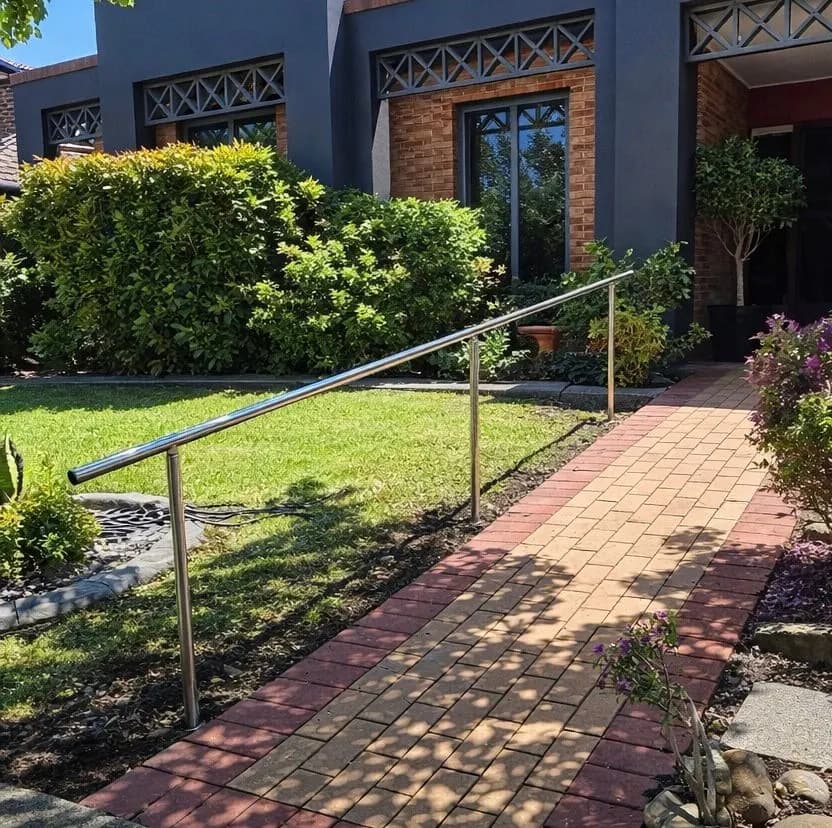
A wheelchair needs a smooth, wide surface all the way, not six good metres and then grass. A walker needs a path with no lips to catch on.
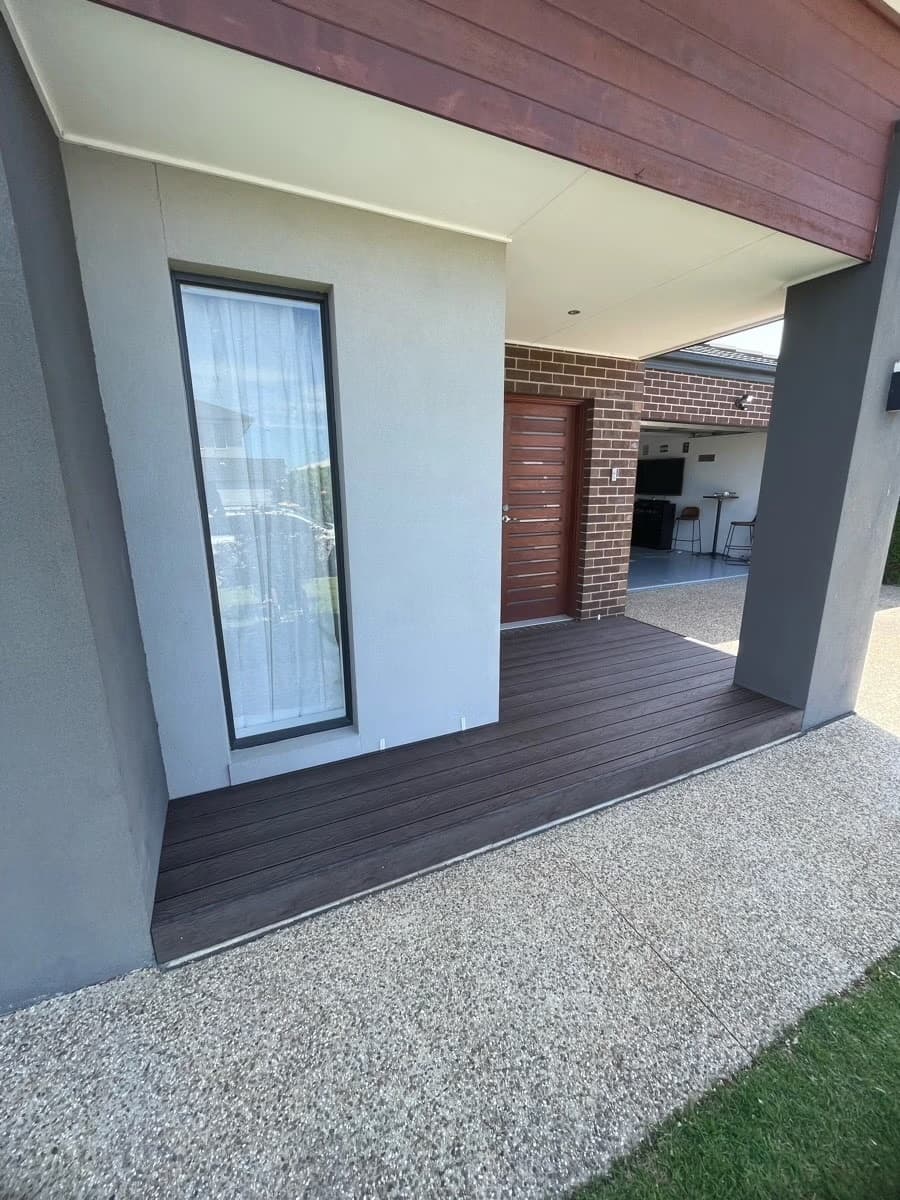
So we lay the concrete as part of the job. Paths, driveways, landings, and patios link your ramp or steps to the street, wide enough to turn rather than reverse.
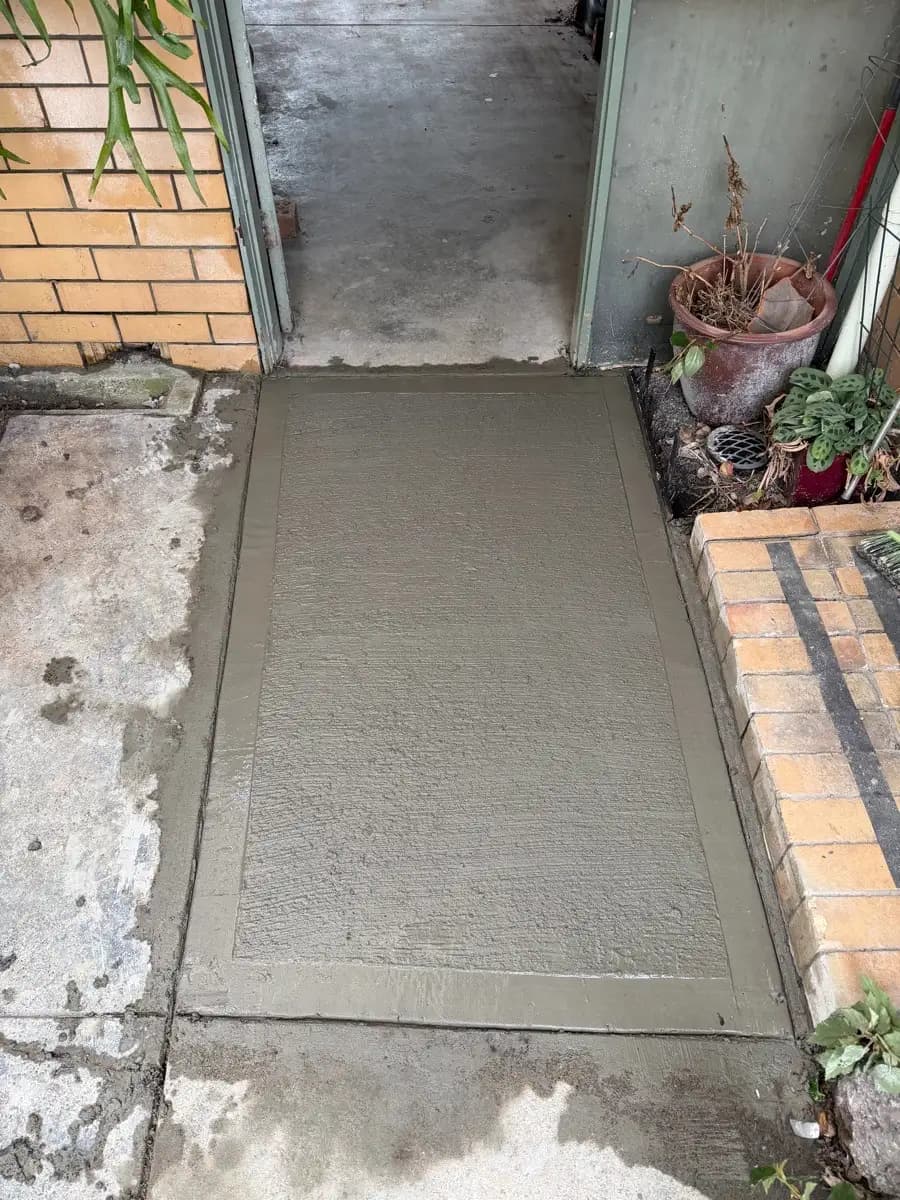
What welay.
Most jobs need two or three of these.
Paths
From the street, gate, or garage to the door, wide enough for a wheelchair, with room to turn.
Driveways
New or replaced, at a slope a wheelchair or walker can manage, and joined to the path.
Landings
The flat area at the top of a ramp or steps, big enough to open the door while you stand on it.
Patios
Outdoor areas level with the back door, so the garden stays easy to use.
Steps
Concrete steps, every one the same height, with a non-slip finish.
Ramps
Poured concrete ramps at a safe slope. Long-lasting, with little upkeep.
Vital Ease at a glance
- Projects completed
- 2,000+
Projects completed
- Agreements with Home Care Package and NDIS providers
- 250+
Agreements with Home Care Package and NDIS providers
- Valued customers
- 1,000+
Valued customers



Doneproperly.
Wide and continuous
One smooth surface all the way, wide enough to turn, with no lips or gaps between sections.
Non-slip outdoors
Plain or coloured, with a textured finish for grip. A smooth finish looks nice, but it is slippery when wet.
Joined to the rest of the job
Laid by the same team that builds your ramp or steps, so the levels meet with no lip.
How itworks.
Design visit
We measure the levels along the whole path and plan the slopes and widths, because concrete can’t be changed once it is poured.
Drawings and a fixed price
Set out so your funding body can approve them. Nothing starts until it is approved.
Preparing the ground
We remove the old surface and prepare a firm, level base. This is what makes the concrete last.
Pouring and finishing
We pour the concrete, shape it to the right slope, add a non-slip finish, and let it set.
Backed by warranty
All work is done by licensed tradespeople and backed by the relevant warranties.
It usually goes in withsomething else.
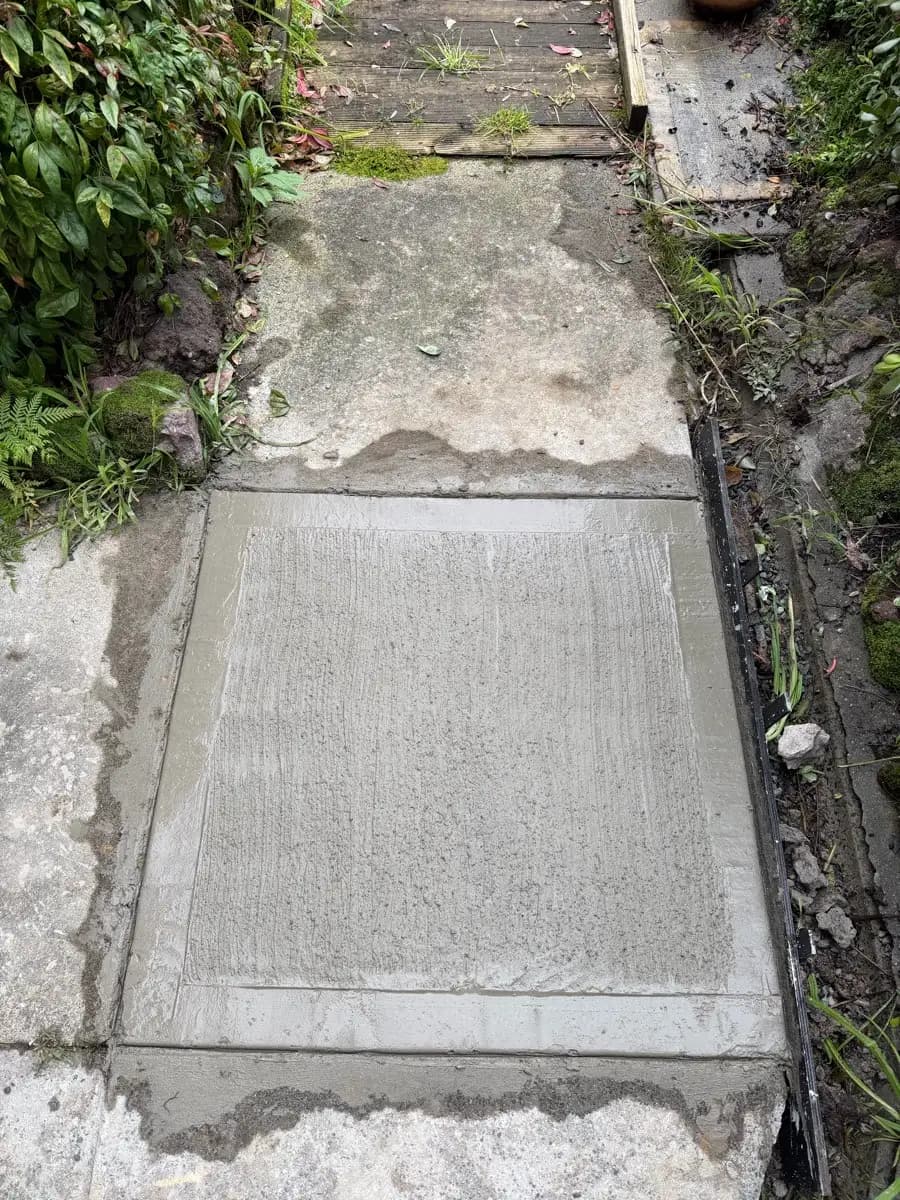
Concreting is rarely the whole job. It is the landing at the foot of a ramp, or the path from new steps to the gate, quoted together so the levels meet.
Not sure what you need? Call us for a free phone consultation, and we’ll talk you through the options. No obligation.
Questions
What people ask aboutconcreting services.
Frequently Asked Questions
My new path has cracked. Is that a defect?
How wide does an accessible path need to be?
Can I have coloured concrete?
How long before I can walk or drive on it?
Will the NDIS pay for concreting?
Can’t see your question? Call us on +61 3 8658 1358 — we’re happy to talk it through.
More from Vital Ease
The rest of whatwe do.


Let us make your homework for you.
Ready to start your modification journey? Contact our team.
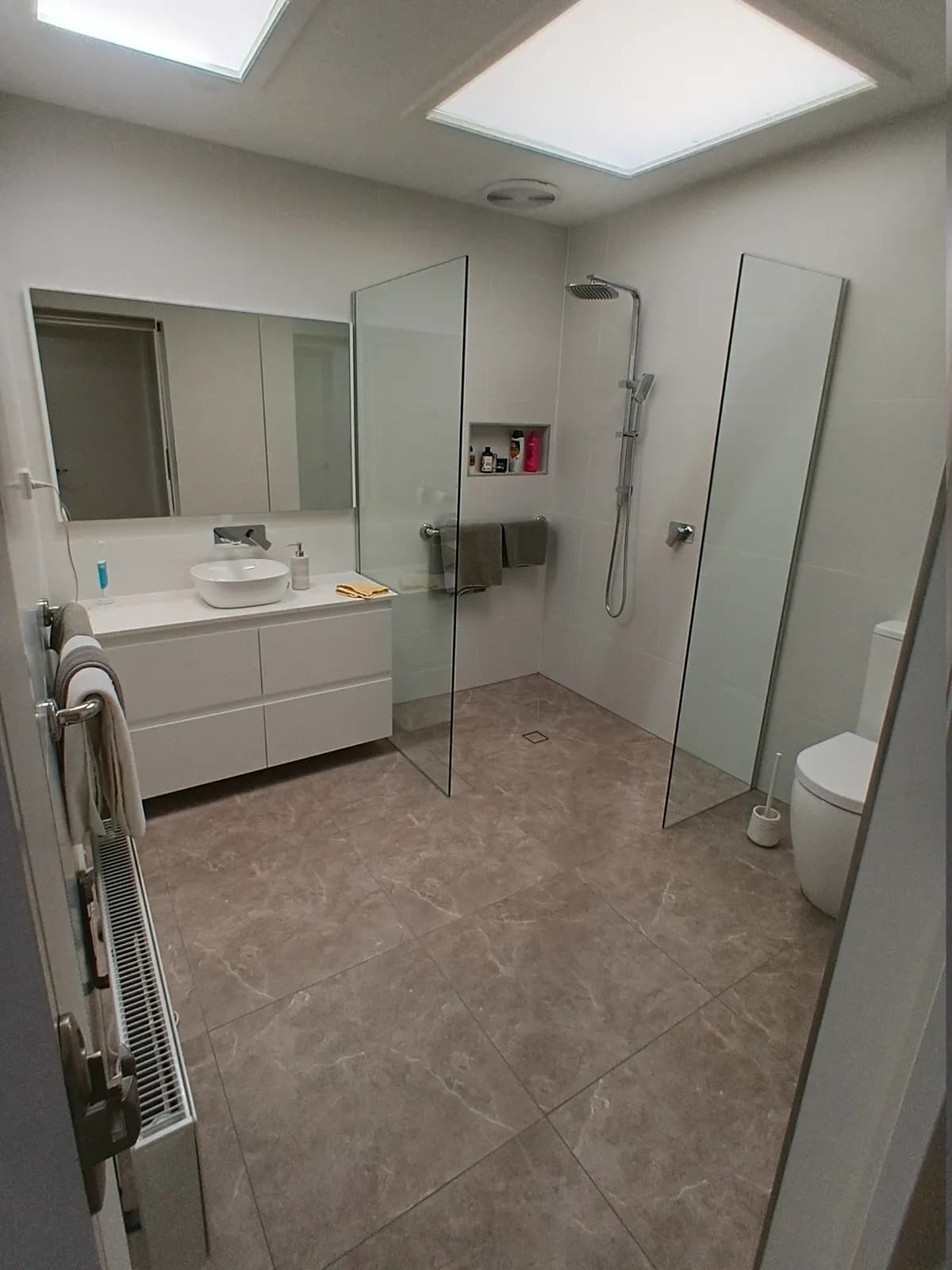
Ready to make your home safer and more accessible? Our team is here to help from your first consultation through to the final handover. Let’s talk about what’s possible for your home.