Skip to content

Mon–Fri: 9:00 AM – 5:00 PM

Vital Ease — home modification and maintenance solutions

Turn the door around,get the room back.

Rehanging an internal door to open the other way — the cheapest way to buy usable floor space in a small bathroom, toilet, or bedroom.

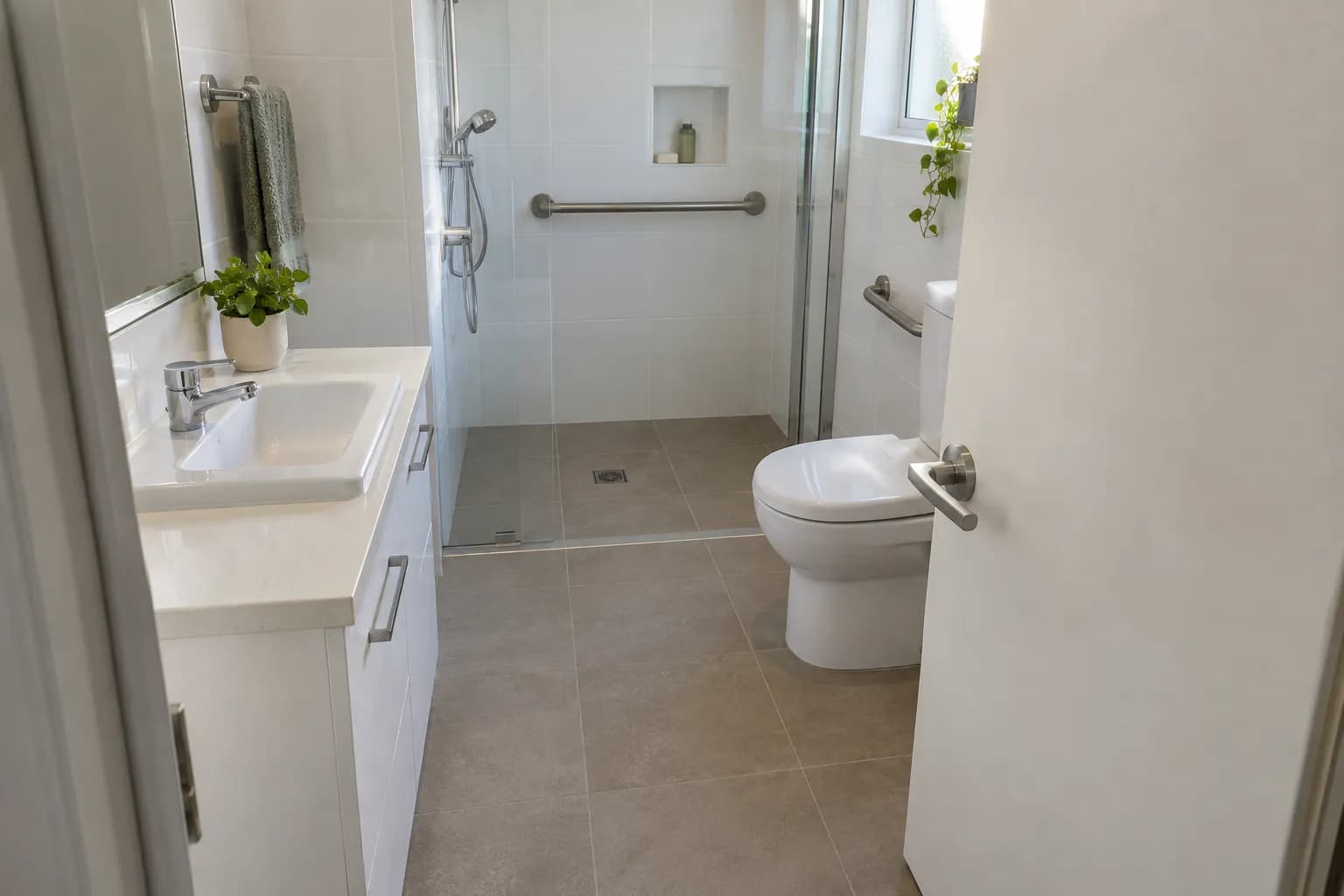
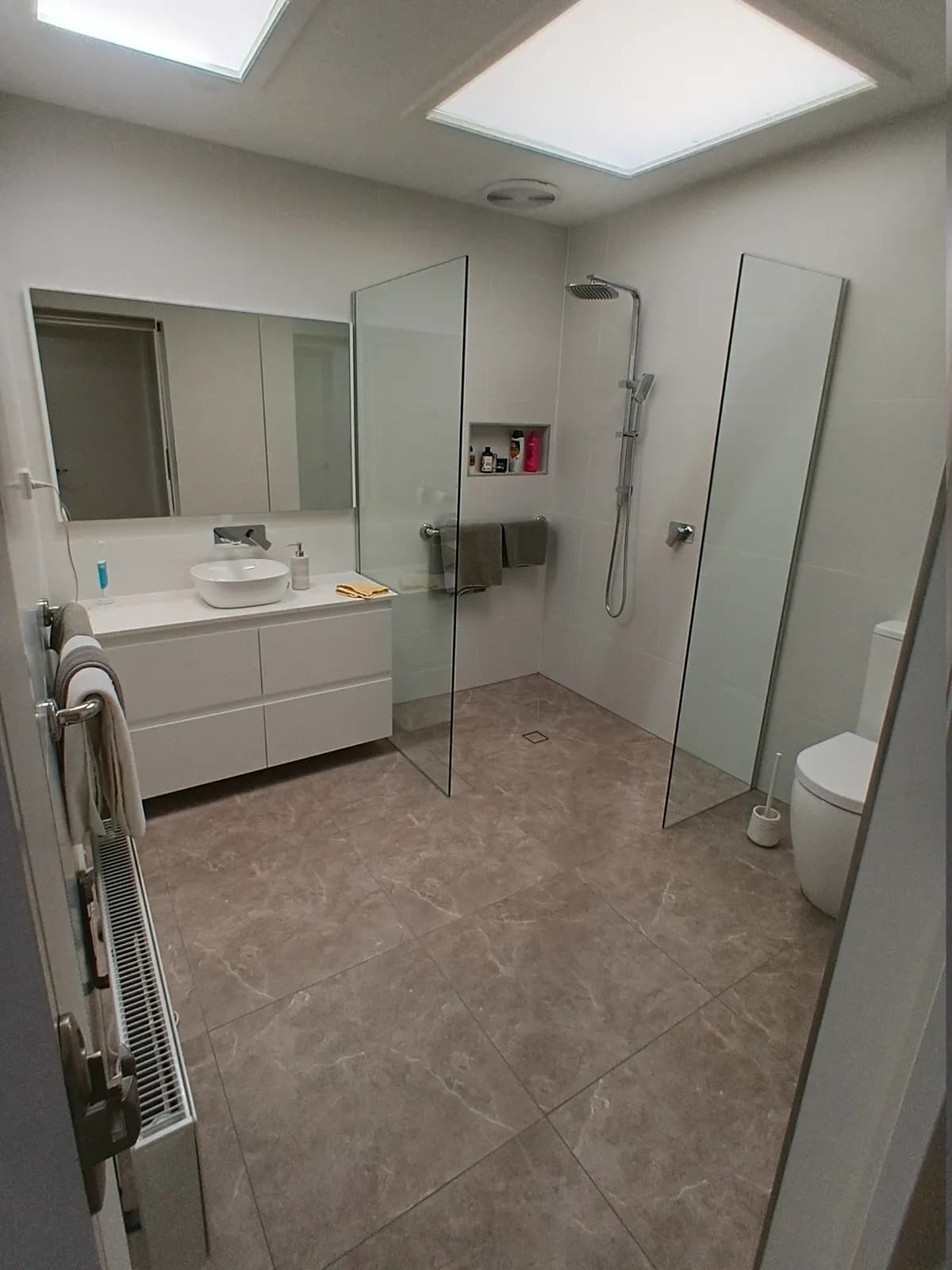
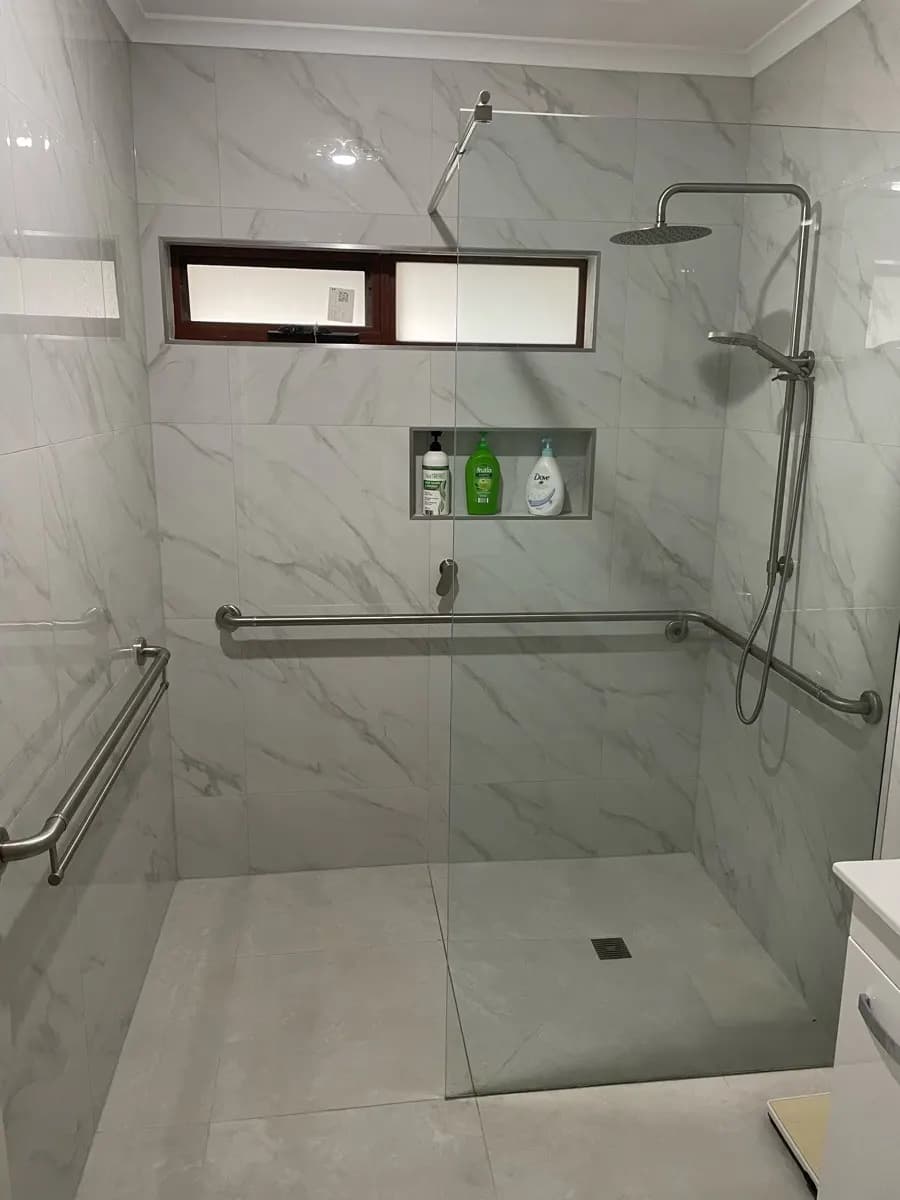
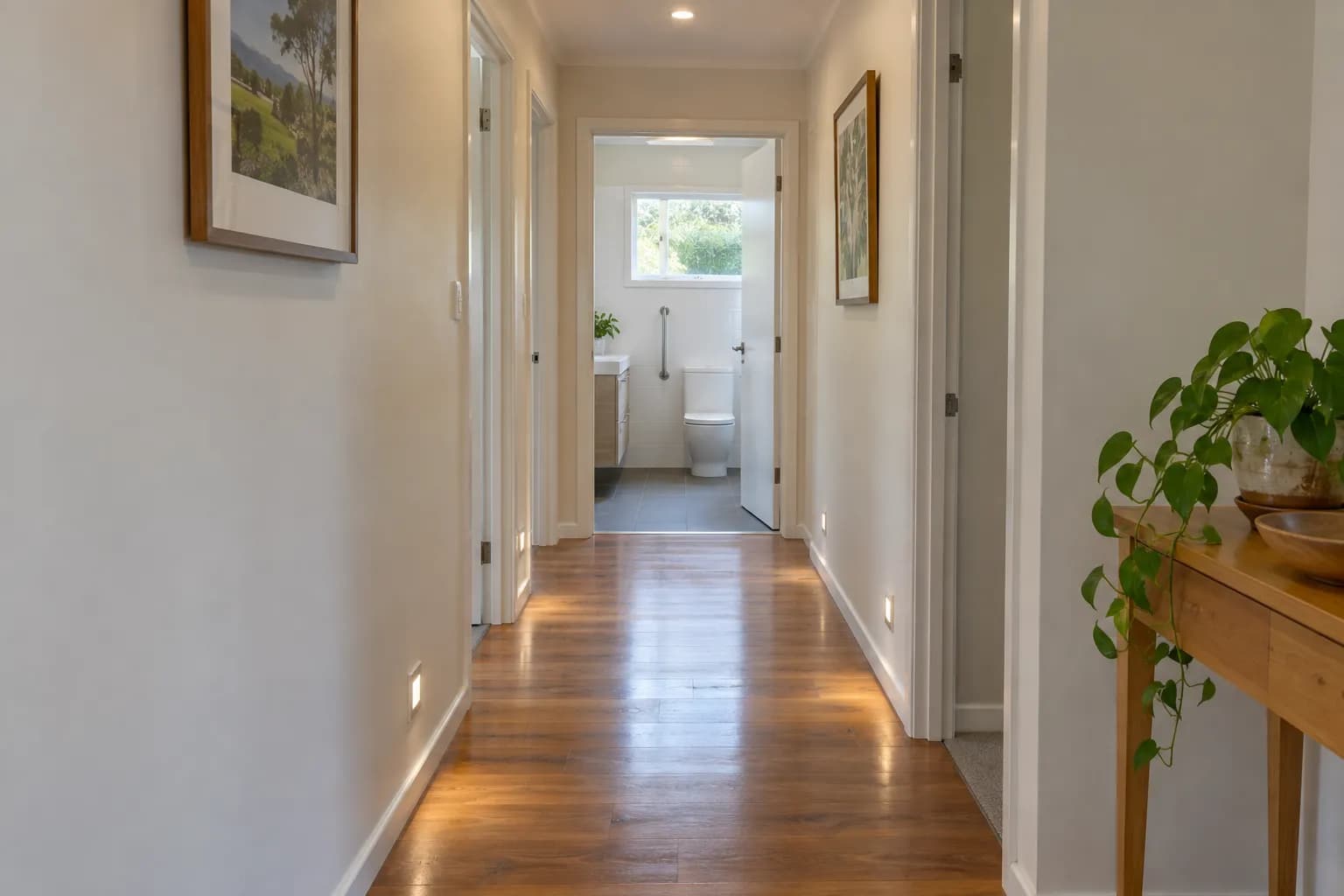
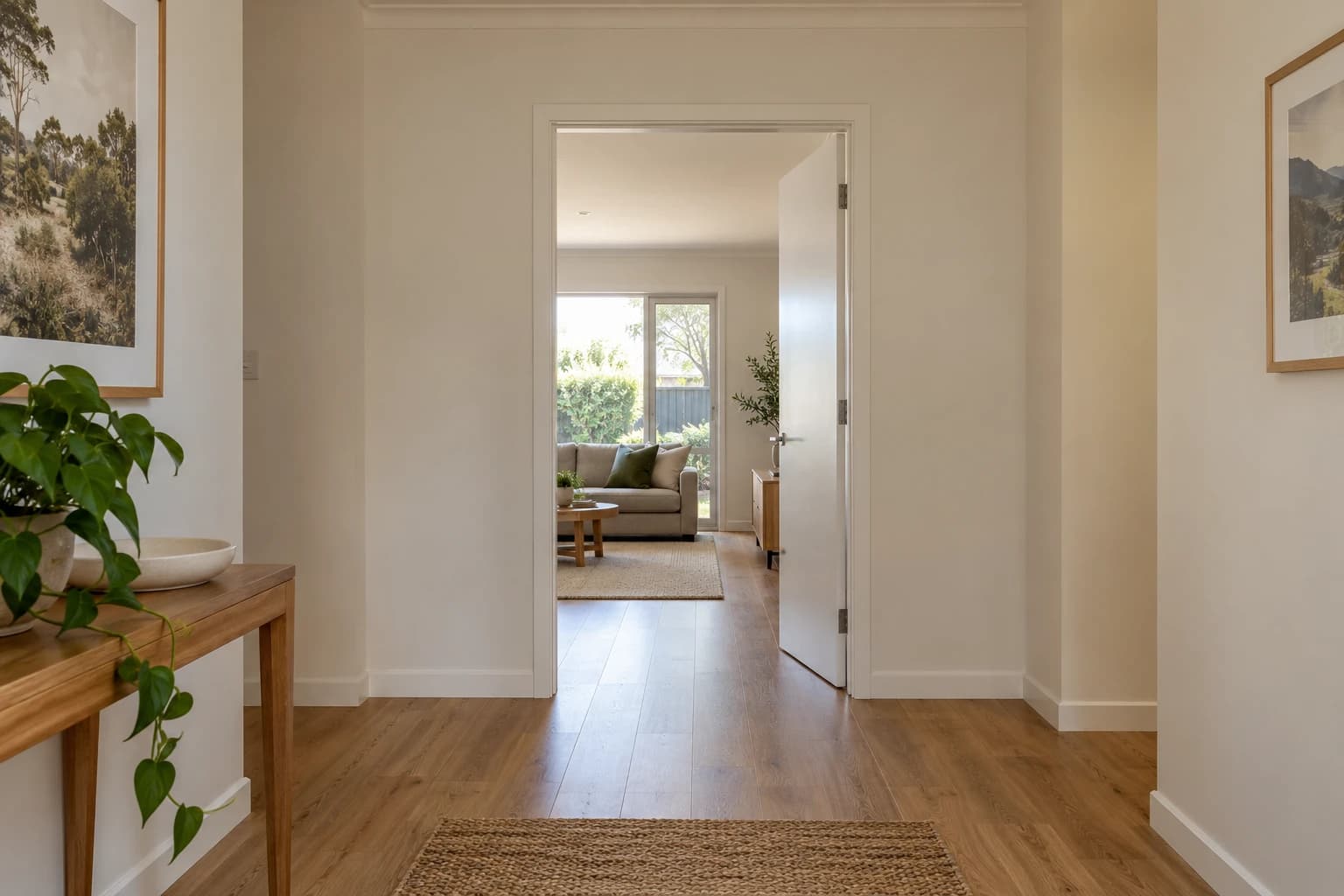
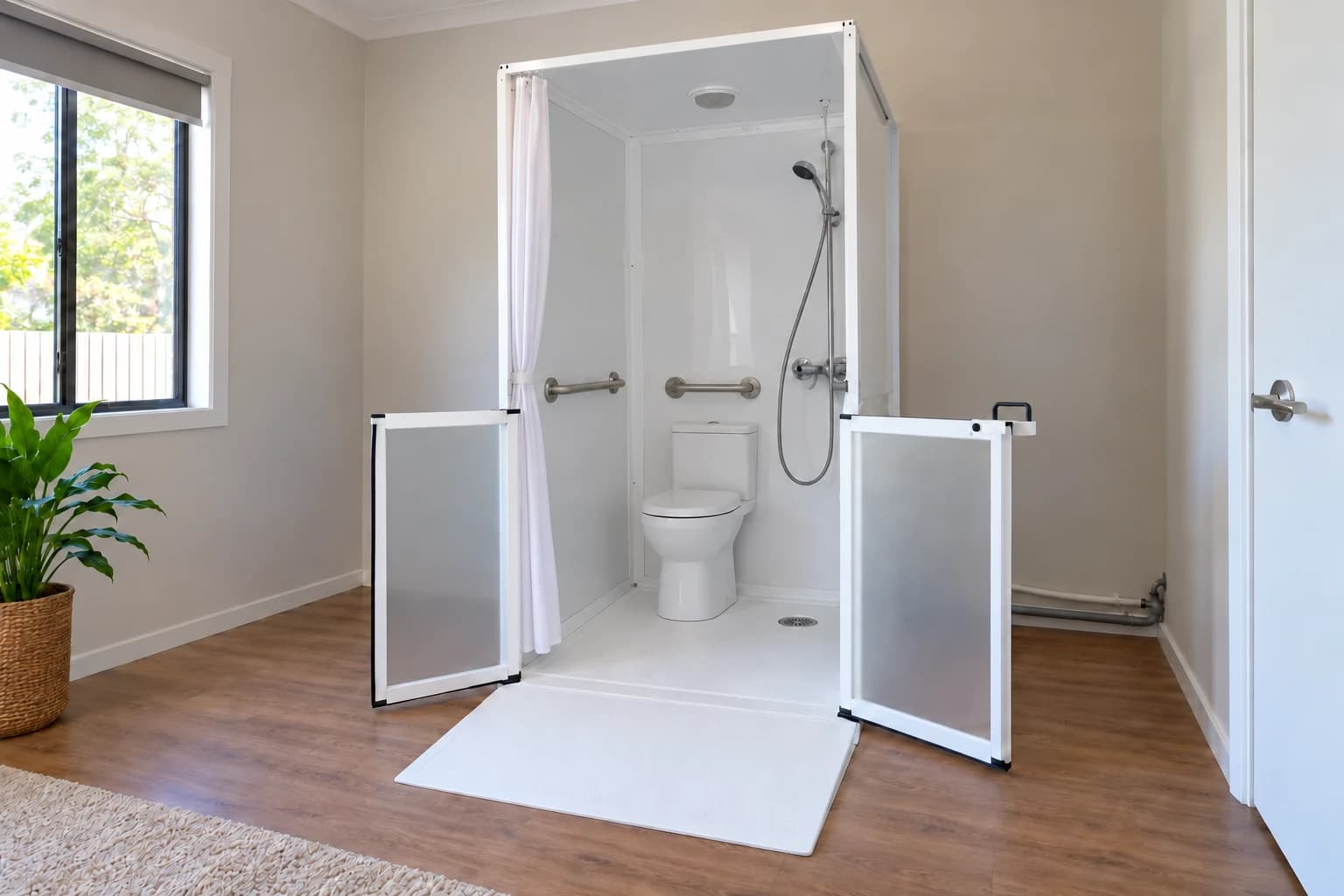
A completed accessible bathroom in a Melbourne home, with clear floor space for turning

An inward door sweepsthe floor you need.

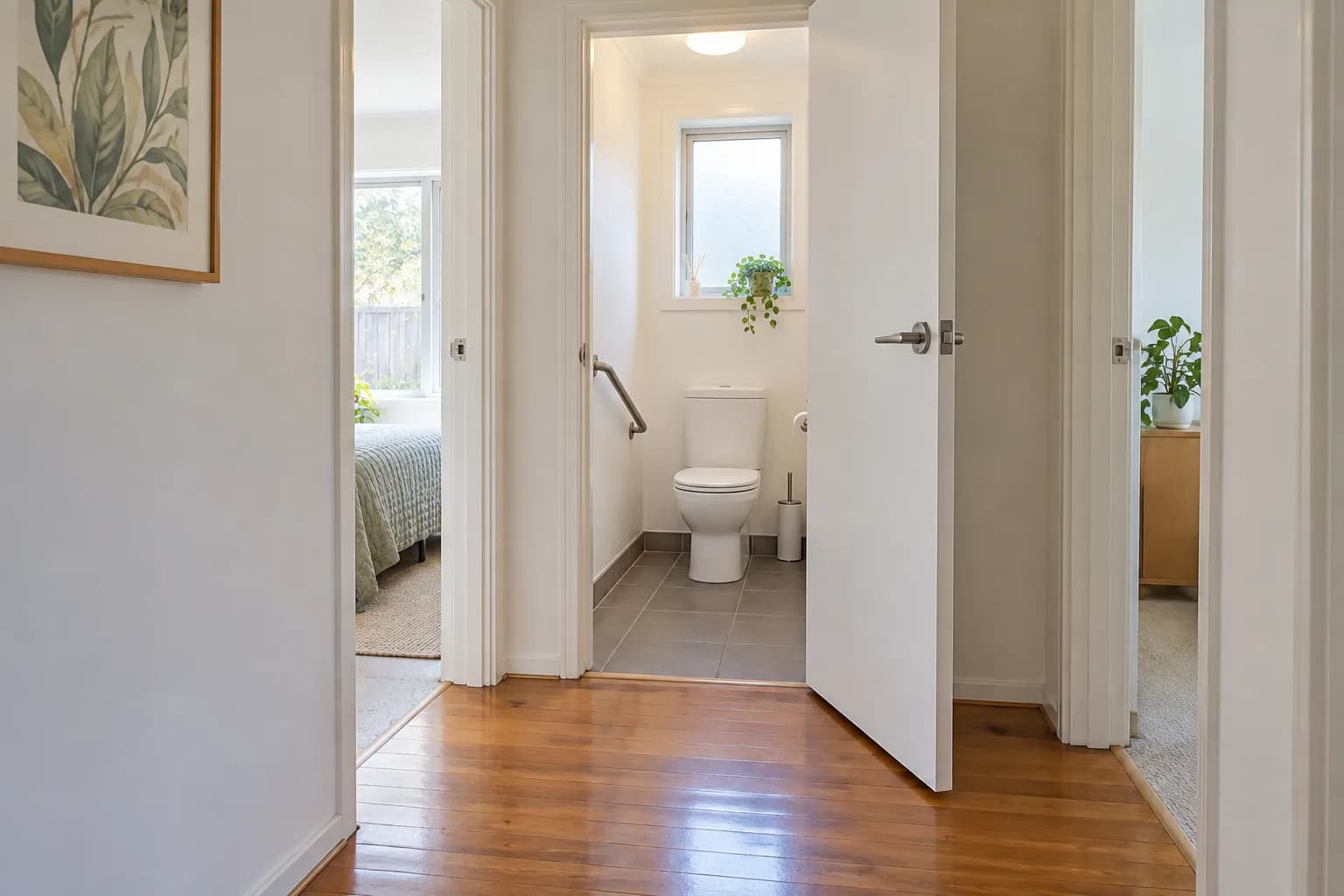
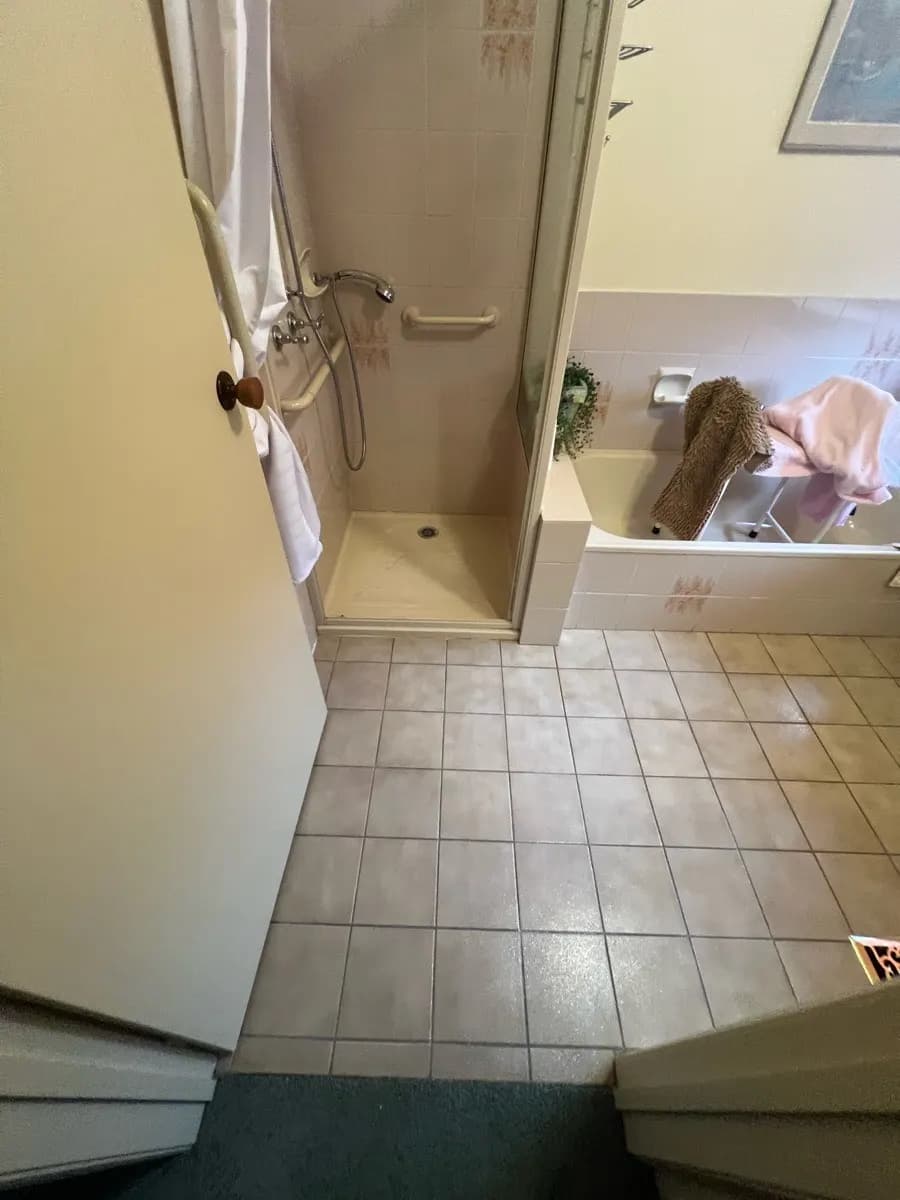
A door swinging into a small room takes a quarter-circle of floor with it, and in a bathroom or a separate toilet that is most of the usable space. It is why a walking frame will not fit, why a carer cannot stand alongside, and why a wheelchair has to be reversed out rather than turned.

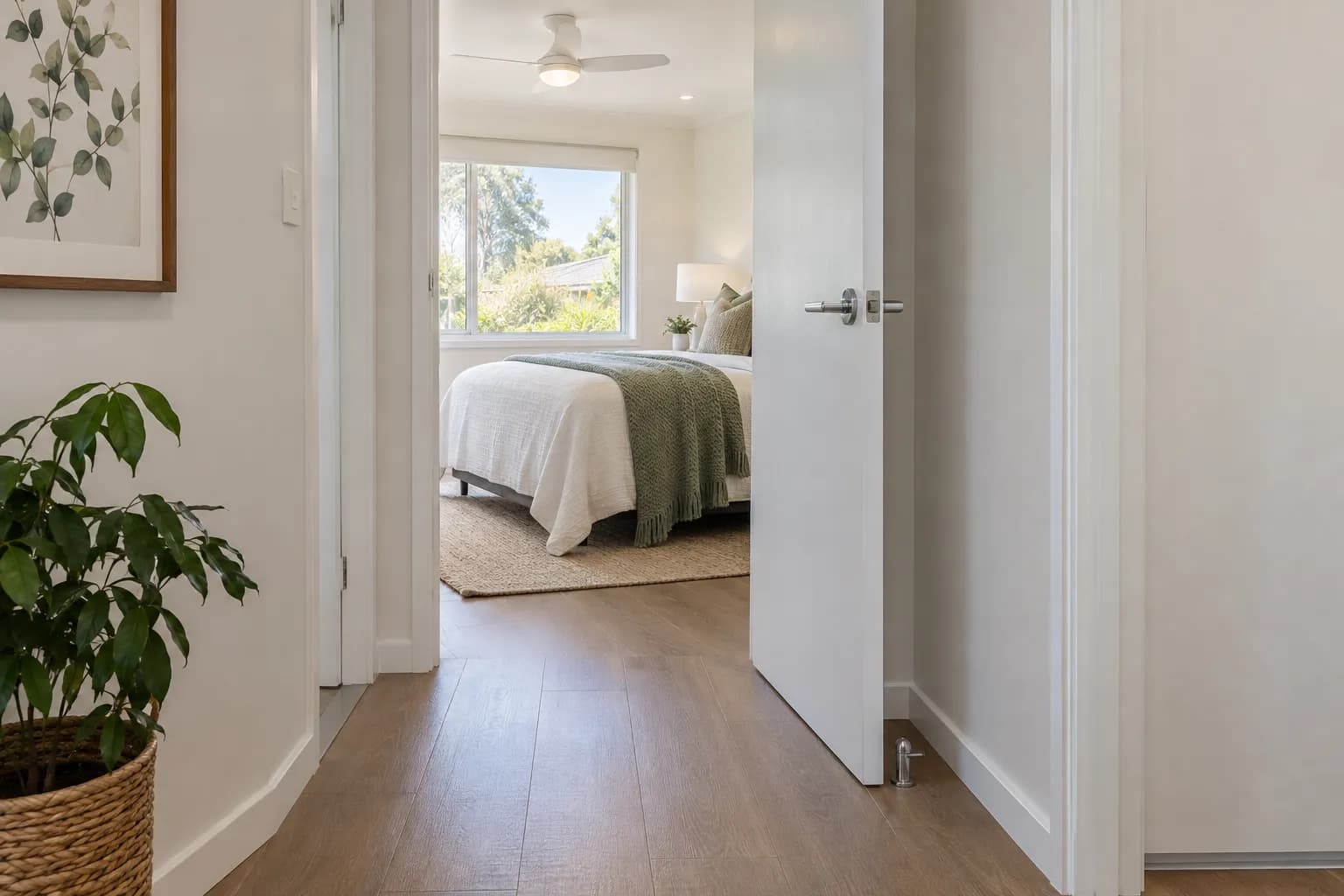
Rehanging it to open outwards gives that floor back. Nothing is built, nothing is widened, and the room is the same size — but the part of it you can stand in is considerably bigger.

It solves a second problem at the same time. A door that opens outwards cannot be blocked by somebody who has fallen behind it, which is the emergency this whole cluster of pages exists for. Where the layout allows a reversal, it is often a better answer than a safety hinge and it costs about the same.

Book a free measure and quote

What a reversalactually gets you.

One change, three separate problems solved — which is why it is usually the first thing we look at in a small room.

  • Usable floor space in a small room

    The quarter-circle the door was sweeping becomes standing room. In a typical toilet or ensuite that is the difference between a frame fitting and not.

  • Emergency access

    An outward-opening door cannot be held shut by somebody lying behind it. It does the same job as a safety hinge with no special hardware at all.

  • Room for a carer alongside

    Two people cannot share a doorway that a door is swinging through. Reversing it means the door is out of the room while the room is in use.

  • A cheaper answer than widening

    Widening a doorway is structural work — the frame out, often part of the wall, sometimes a permit. A reversal costs a fraction of it and frequently buys the same practical result.

Vital Ease at a glance

Projects completed
300+

Projects completed

Agreements with Home Care Package and NDIS providers
100+

Agreements with Home Care Package and NDIS providers

Valued customers
200+

Valued customers

  • NDIS — National Disability Insurance Scheme registered provider
  • State-wide Equipment Program approved supplier
  • Victorian Building Authority registered builder
  • Home Care Packages approved provider

Who we dothese for.

  • Small bathrooms, ensuites, and separate toilets

    By far the commonest. These are the rooms where the door is sweeping the largest share of the floor.

  • Anyone using a frame or a wheelchair

    Where the room is technically big enough and the door is what makes it unusable.

  • Households worried about a fall behind the door

    It is the no-hardware version of the safety-hinge answer, and it leaves the door working normally.

  • Where a widened doorway has been quoted

    Worth pricing this first. Sometimes it is genuinely not enough — but often it is, and it is a fraction of the cost and disruption.

Before you book,two things to know.

  • We patch, but we do not match paint

    The old hinge and latch positions on the door and the architrave are filled and primed. We do not colour-match and repaint the door or the frame — most people live with it or paint it when the room is next done, and it is worth knowing that before we start rather than after.

  • The light switch may have to move

    If the reversed door now swings across the switch, it has to be relocated, and that is electrical work with its own cost. We check for it at the measure and price it in rather than discovering it on the day.

  • It has to have somewhere to swing to

    A door opening into a narrow hallway can be worse than the problem — it blocks the corridor and it can catch someone walking past. We look at both sides of the doorway, not just the small room.

  • It is fixed, permanent work

    The frame is altered. If you rent, you will need the owner’s or the agent’s permission, and it is not something to undo cheaply.

Brochuresand guides.

The documents an occupational therapist or a plan manager usually asks us for. We are preparing these now — ring or email in the meantime and we will send what you need.

Product guides

  • Door reversal — what changes and what does notComing soon

Quote request requirements

  • Door reversal — what we need to quoteComing soon

How the jobactually runs.

  1. Quoting

    Quoted to the occupational therapist’s specification where there is one. We check on the visit whether the door has room to swing the other way and whether a light switch is in its path. Funding is approved before we start.

  2. On-site consultation and installation

    The door comes off, the frame is reworked, the door is rehung the other way, and the old positions are filled and primed. Usually a single visit, and the room is back in use the same day.

  3. Warranty

    The work is carried out by licensed tradespeople and backed by the relevant warranties. If something is not right, ring the same number you rang the first time.

If the door cannotswing outwards.

Plenty cannot — a narrow hallway, a door opposite another door, or a landing at the top of stairs. Where a reversal is not safe, safety hinges give the same emergency access with the door still opening inwards.

We will tell you at the visit which of the two your doorway can take.

See safety and lift-off hinges

Questions

What people ask aboutdoor reversal.

Frequently Asked Questions

Will the door be repainted after it is rehung?
No. The old hinge and latch positions are filled and primed so they are smooth and sealed, but we do not colour-match and repaint the door or the architrave. That is the one thing people are surprised by, so we say it at the quote — most either live with the patched primer or have it painted when the room is next done.
Is a reversal as good as a safety hinge?
For emergency access, better — a door that opens outwards cannot be blocked by someone lying behind it at all, so there is no hardware to operate and nothing for a stranger to work out under pressure. It also gives back floor space, which a hinge does not. The catch is that it needs somewhere to swing to, and not every doorway has it.
Will the light switch still work?
It will, unless the reversed door now swings across it — which happens often enough that we check at the measure. If it does, the switch has to be relocated by an electrician and that is priced in with the quote rather than sprung on you on the day.
How much space does it actually give back?
The quarter-circle the door was sweeping, which in a standard internal doorway is roughly three-quarters of a square metre. That does not sound like much until you look at a small toilet or ensuite, where it is often most of the free floor and the reason a walking frame will not fit.
Should I do this instead of widening the doorway?
Price it first, at least. Widening is structural work — the frame out, often part of the wall, sometimes a permit — and it is quoted as a major modification. A reversal costs a fraction of that and frequently buys the same practical result. Where it genuinely is not enough we will say so, because we do both.

Can’t see your question? Call us on +61 3 8658 1358 — we’re happy to talk it through.

Let us make your homework for you.

Ready to start your modification journey? Contact our team.

Ready to make your home safer and more accessible? Our team is here to help from your first consultation through to the final handover. Let’s talk about what’s possible for your home.

+61 3 8658 1358Contact us
Open
Mon–Fri: 9:00 AM – 5:00 PM
Serving
Melbourne & Sydney

Before you go

Still working outwhat your home needs?

A five-minute call is usually enough to tell you what is possible and roughly what it costs — no obligation, no pressure.