
The stove turns itself off,even if you forget.
A timer that turns your stove off by itself, and a key switch that turns the gas off. Fitted by licensed electricians and plumbers across Victoria and New South Wales.
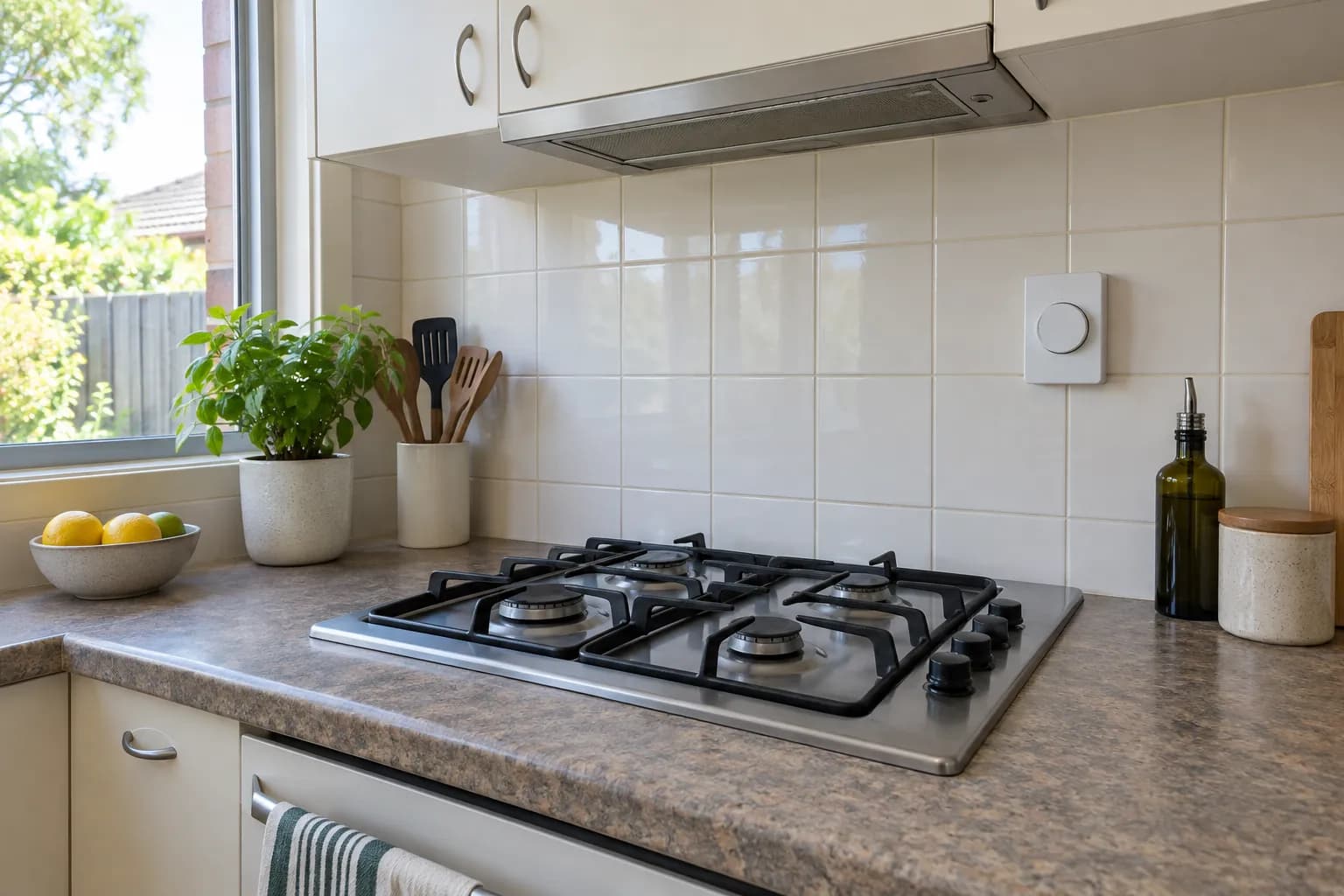
A forgotten stoveis a real worry.
Families usually ask about stove timers after something has happened. A pot boiled dry, a tea towel scorched, or a smell of gas in the hallway.
A stove timer takes that risk away. It turns the stove off by itself after a set time, every time. There is nothing new to remember and nothing different to press.
For many people, it is the change that means they can keep living safely in their own home.
The kits,and who they suit.
Two questions choose the kit: what kind of stove is it, and should the person cook on their own?
Kit 1 — gas stove timer
Turns a gas stove or cooktop off after a set time. For someone who cooks well but may forget to turn it off.
Kit 2 — electric stove timer
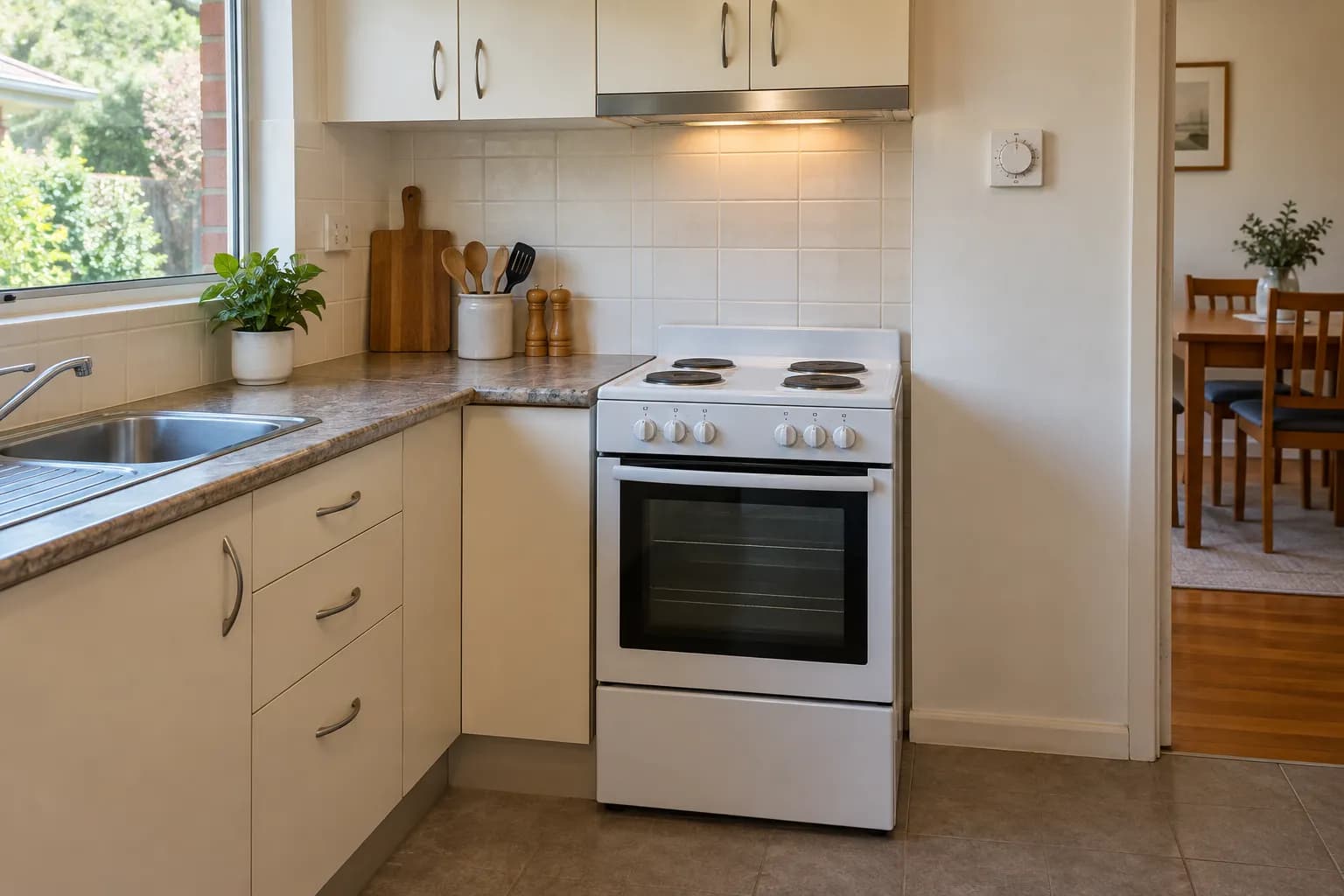
The same timer for an electric cooktop or upright cooker. Only an electrician is needed.
Kit 3 — gas and electric together
For a gas cooktop with an electric oven. One timer controls both.
Kit 4 — gas key switch
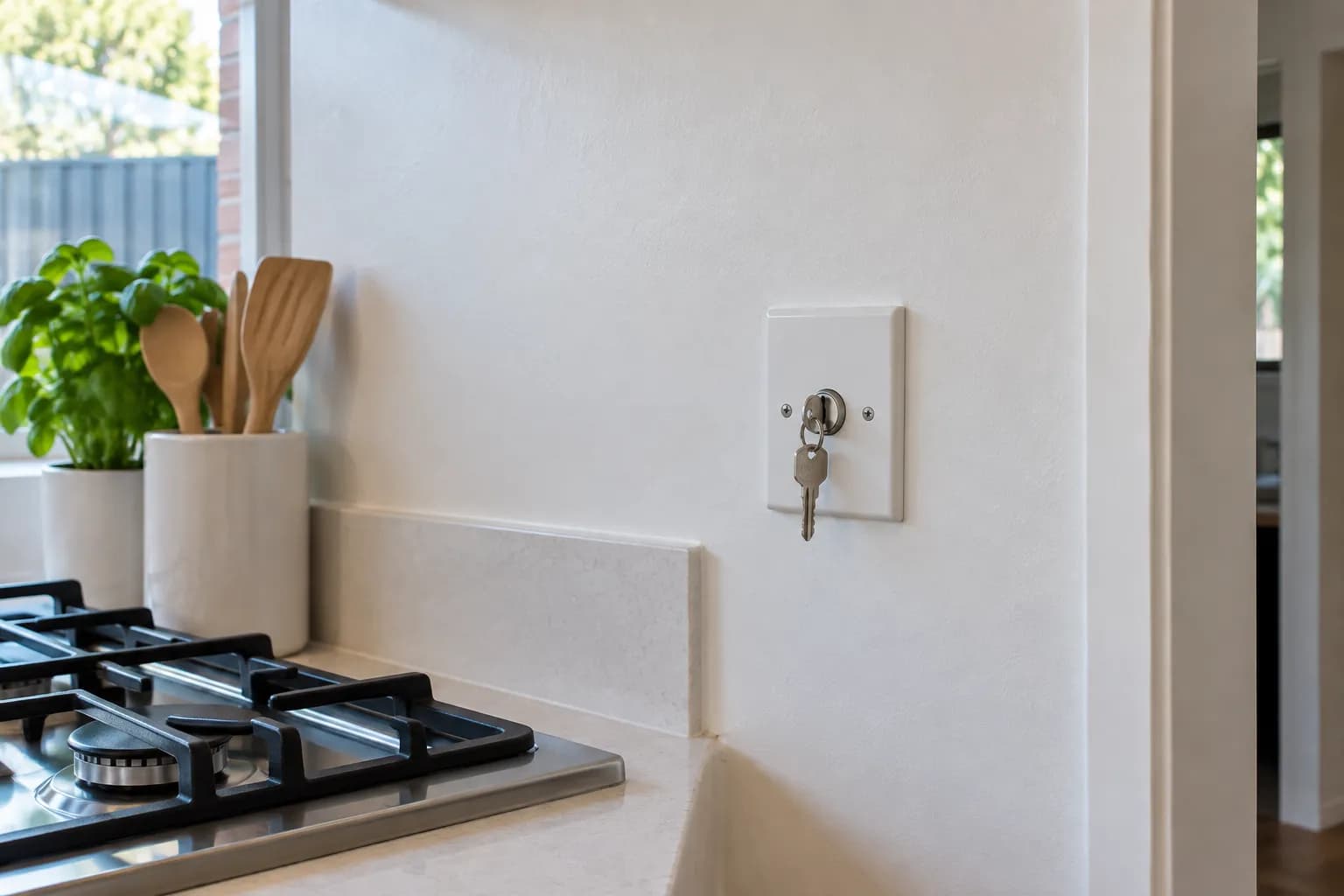
No timer, just a key switch that turns the gas off. For someone who shouldn’t cook alone.
Kit 5 — timer and key switch
Both together: a timer, and a key switch to turn the gas off completely. The kit carers ask for most.
Kit 6 — two separate timers
For a separate gas cooktop and electric oven that each need their own timer.
Vital Ease at a glance
- Projects completed
- 2,000+
Projects completed
- Agreements with Home Care Package and NDIS providers
- 250+
Agreements with Home Care Package and NDIS providers
- Valued customers
- 1,000+
Valued customers



A bypass keyfor other cooks.
If someone else in the house also cooks, a bypass key switch lets them turn the timer off for a while. Handy for a Sunday roast.
The key only comes out when the switch is back on the timer setting. So it can’t be left on bypass by mistake, and the safety comes back on.
How itworks.
A clear, fixed quote
Send us a photo of your stove and your switchboard, and your occupational therapist’s report if you have one.
One visit to fit
A licensed electrician fits the timer and sets the time. A licensed plumber comes too if gas is involved.
We show you how it works
We explain the light on the timer, and the bypass key if you have one. All work is backed by the relevant warranties.
Who wehelp.
Older people living alone
Keep cooking your own meals, with a safety net.
People with memory loss
The stove turns off even if you forget.
Families
Peace of mind when you can’t be there every day.
Carers
The gas stays off when you are not there, and works normally when you are.
More ways tostay safe at home.
Electrical services
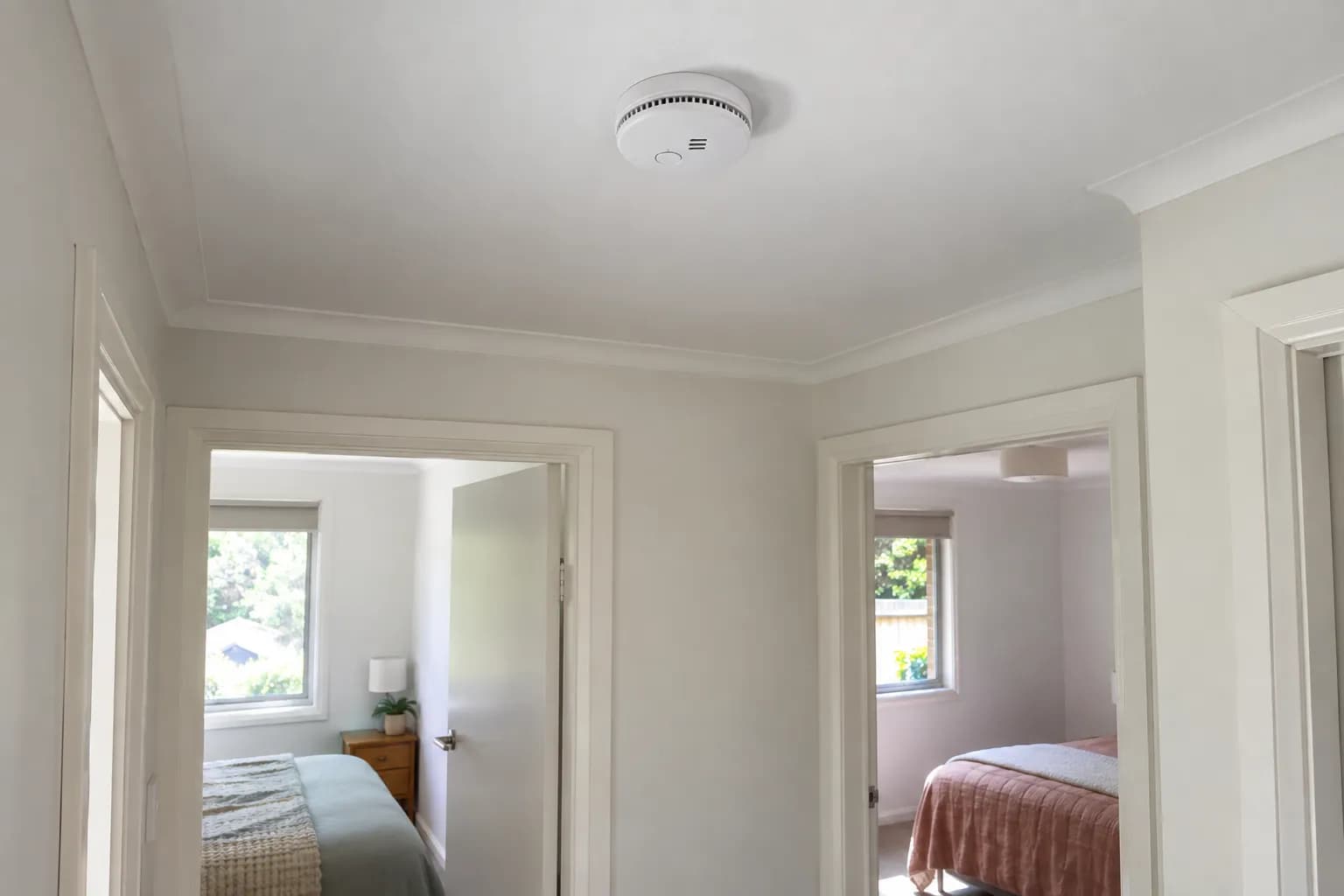
Sensor lights, smoke alarms, and power points you can reach.
Assistive technology
Other devices that help you live safely and on your own.
Home alerting systems
Flashing lights and a bed shaker, so you notice the smoke alarm and the doorbell.
Tempering valves
Hot water that can’t get hot enough to burn, at every tap or at one shower.
Lever taps
Handles you push instead of grip and twist, in the kitchen and bathroom.
Key safes
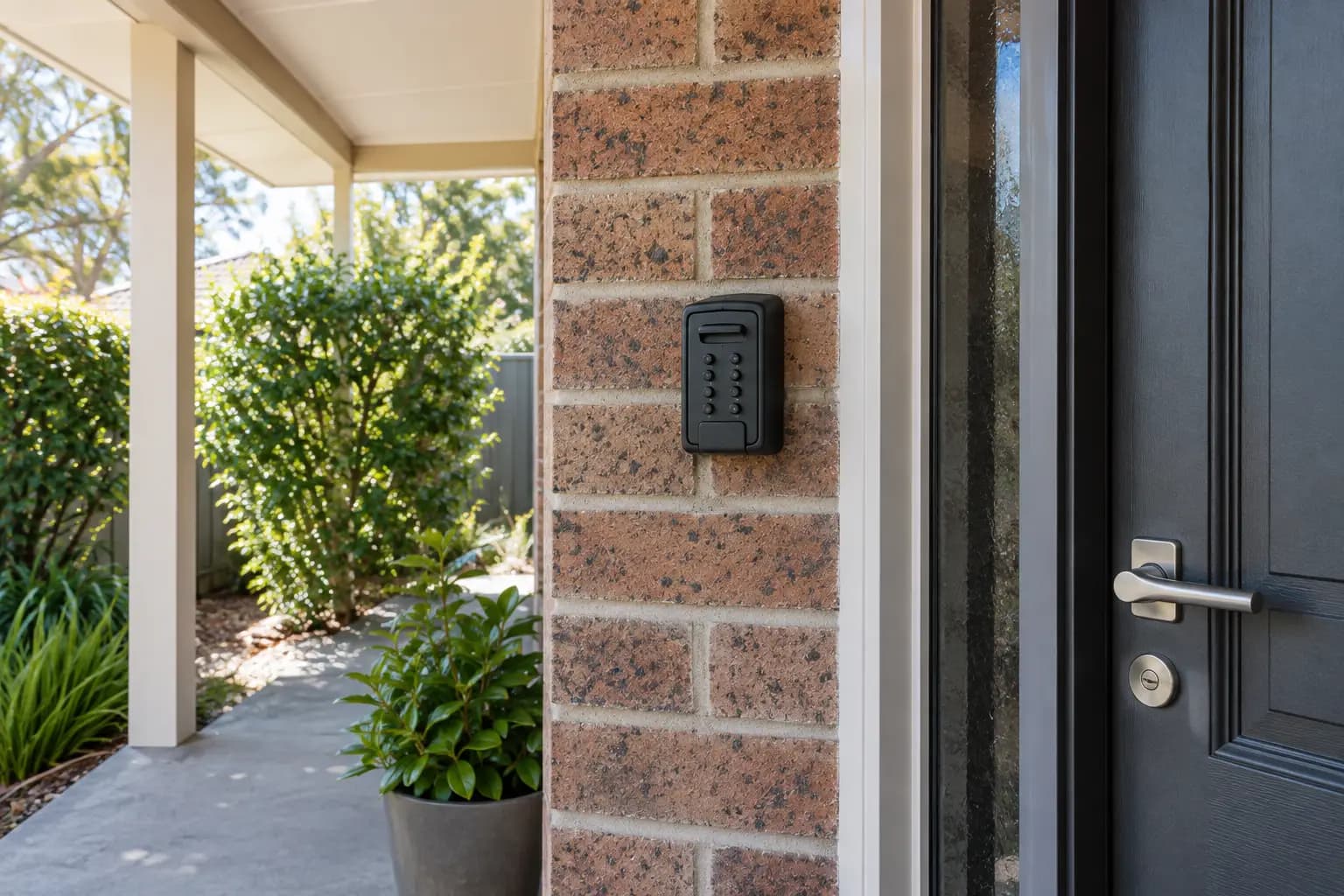
A spare key in a locked box, so carers and ambulance crews can let themselves in.
Not sure what you need? Call us for a free phone consultation, and we’ll talk you through the options. No obligation.
Questions
What people ask aboutstove timers.
Frequently Asked Questions
Can the stove timer settings be changed after installation?
What is a gas isolation key switch?
What happens if the gas flame goes out while the timer is running?
Do you supply stove timers as well as install them?
What do you need in order to quote a stove timer?
Can I have a stove timer fitted if I rent?
Can’t see your question? Call us on +61 3 8658 1358 — we’re happy to talk it through.
More from Vital Ease
The rest of whatwe do.
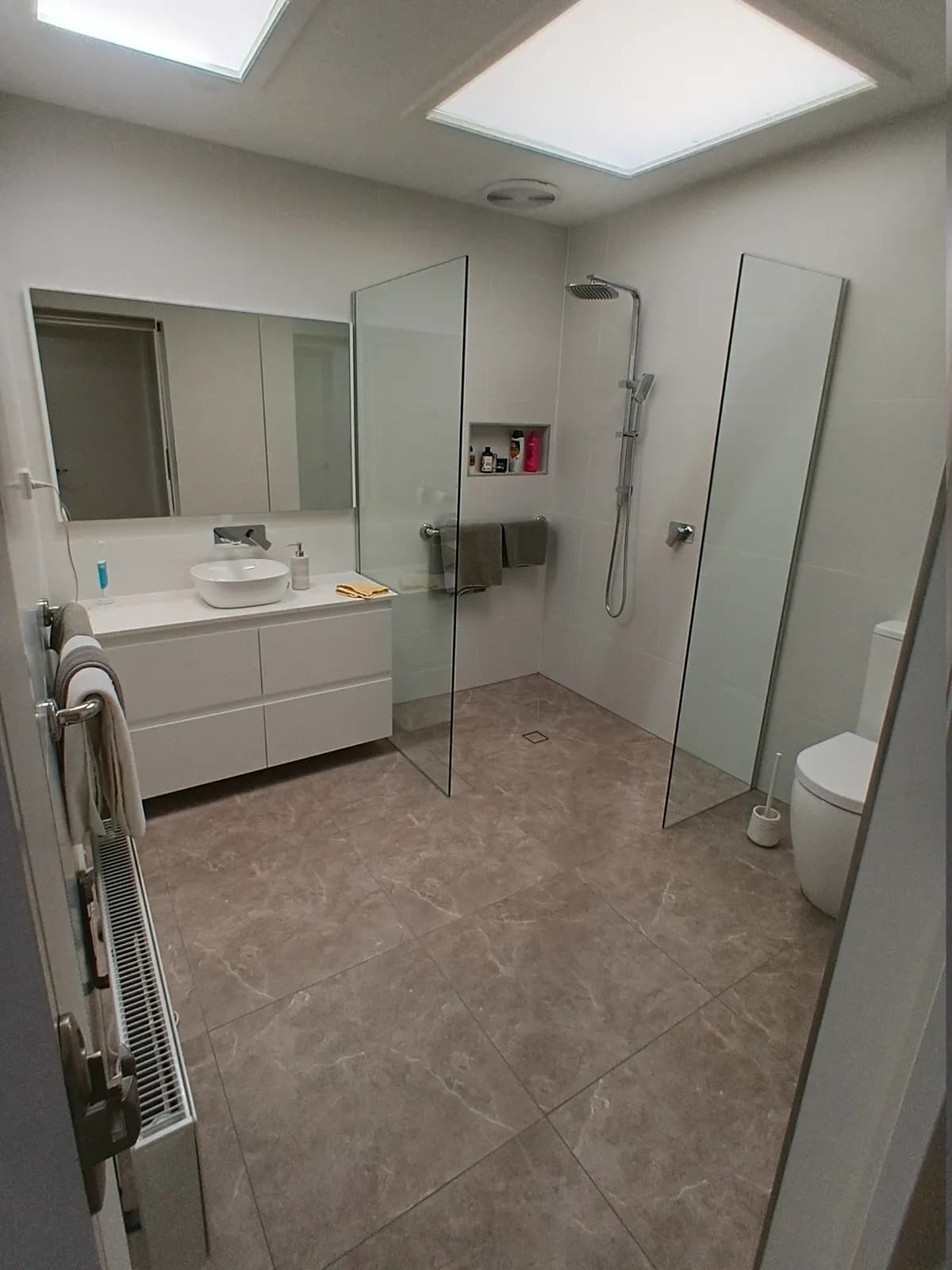








Let us make your homework for you.
Ready to start your modification journey? Contact our team.
Ready to make your home safer and more accessible? Our team is here to help from your first consultation through to the final handover. Let’s talk about what’s possible for your home.