Skip to content

Mon–Fri: 9:00 AM – 5:00 PM

Vital Ease — home modification and maintenance solutions

A shower head that comesdown to you.

Handheld heads, flexible hoses, and sliding brackets — so the water reaches someone sitting down, and a carer can help without soaking the room.

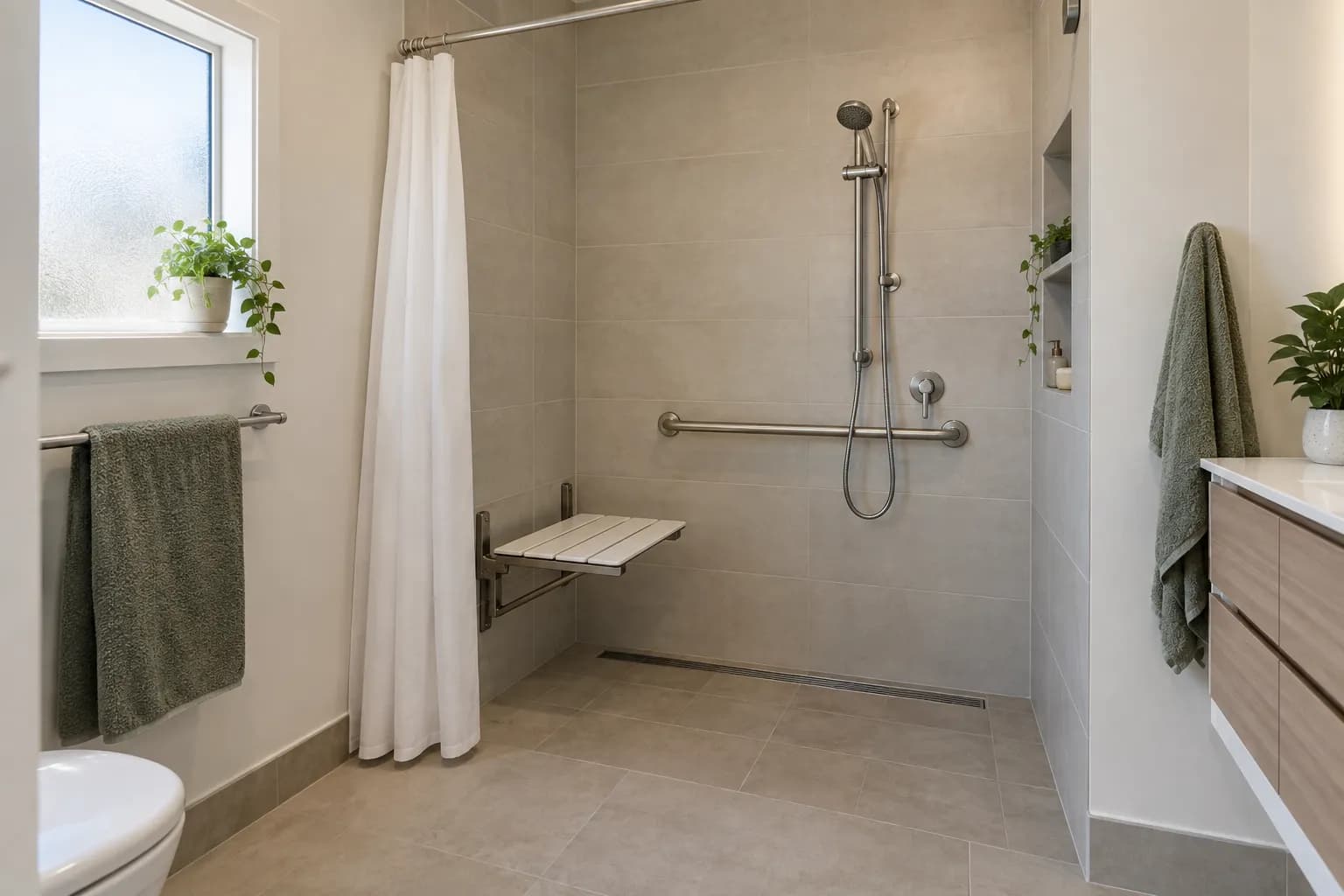
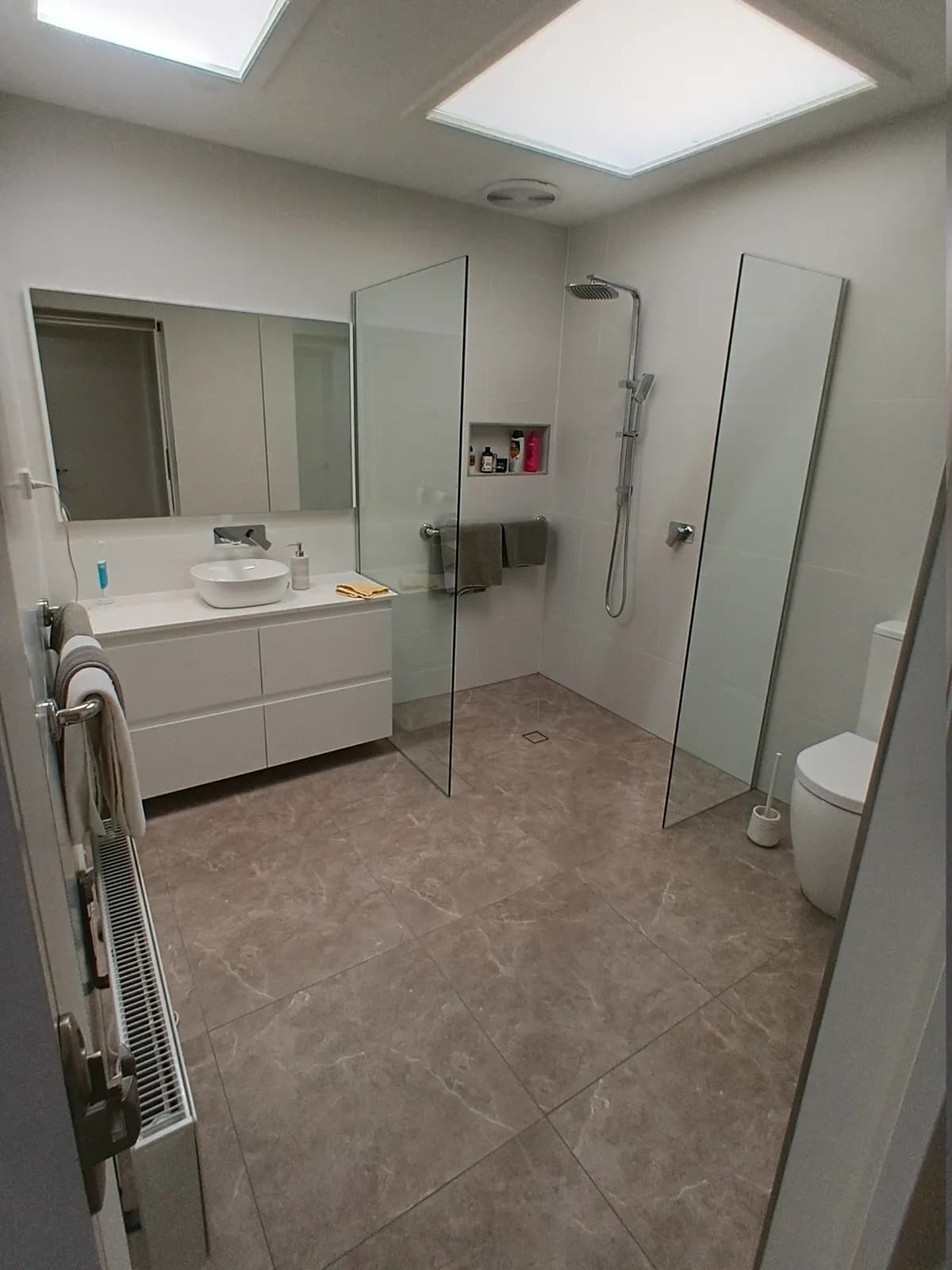
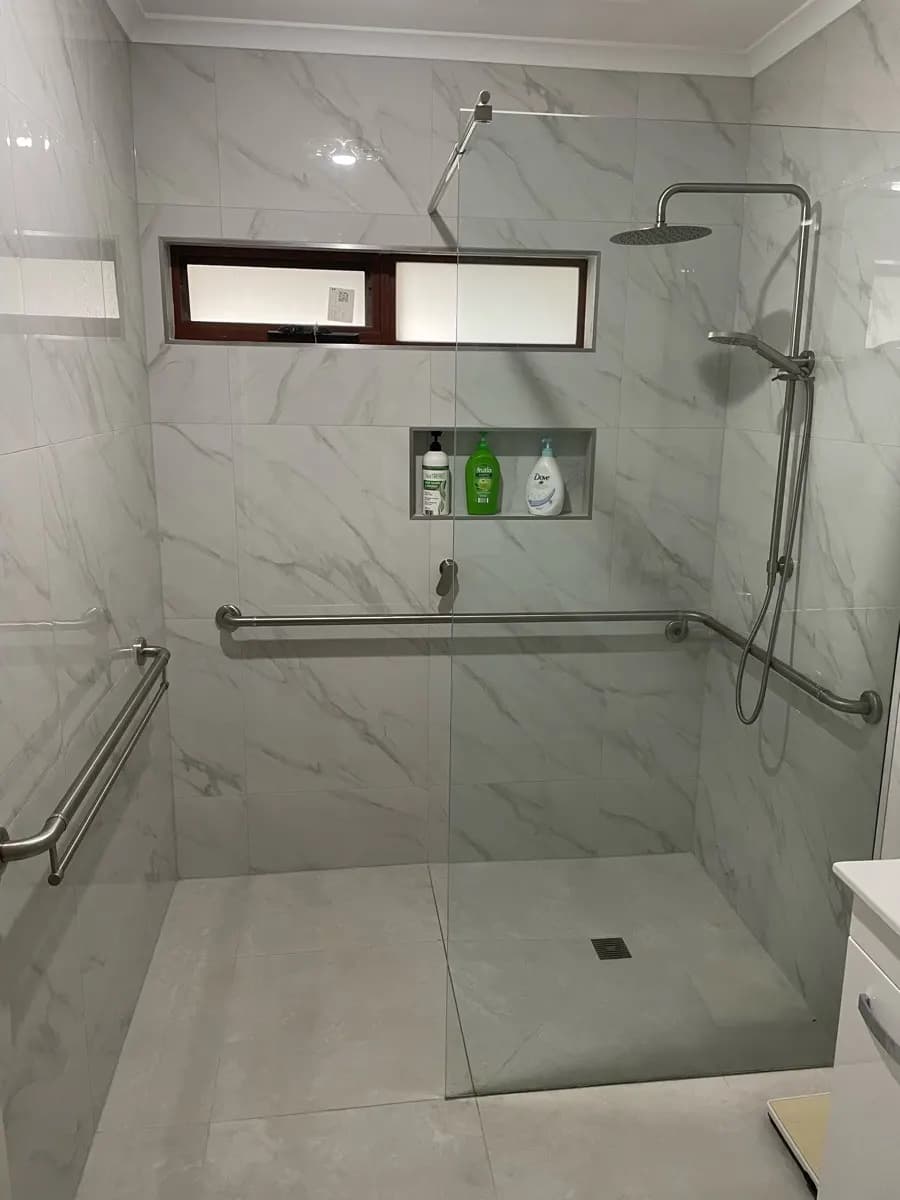
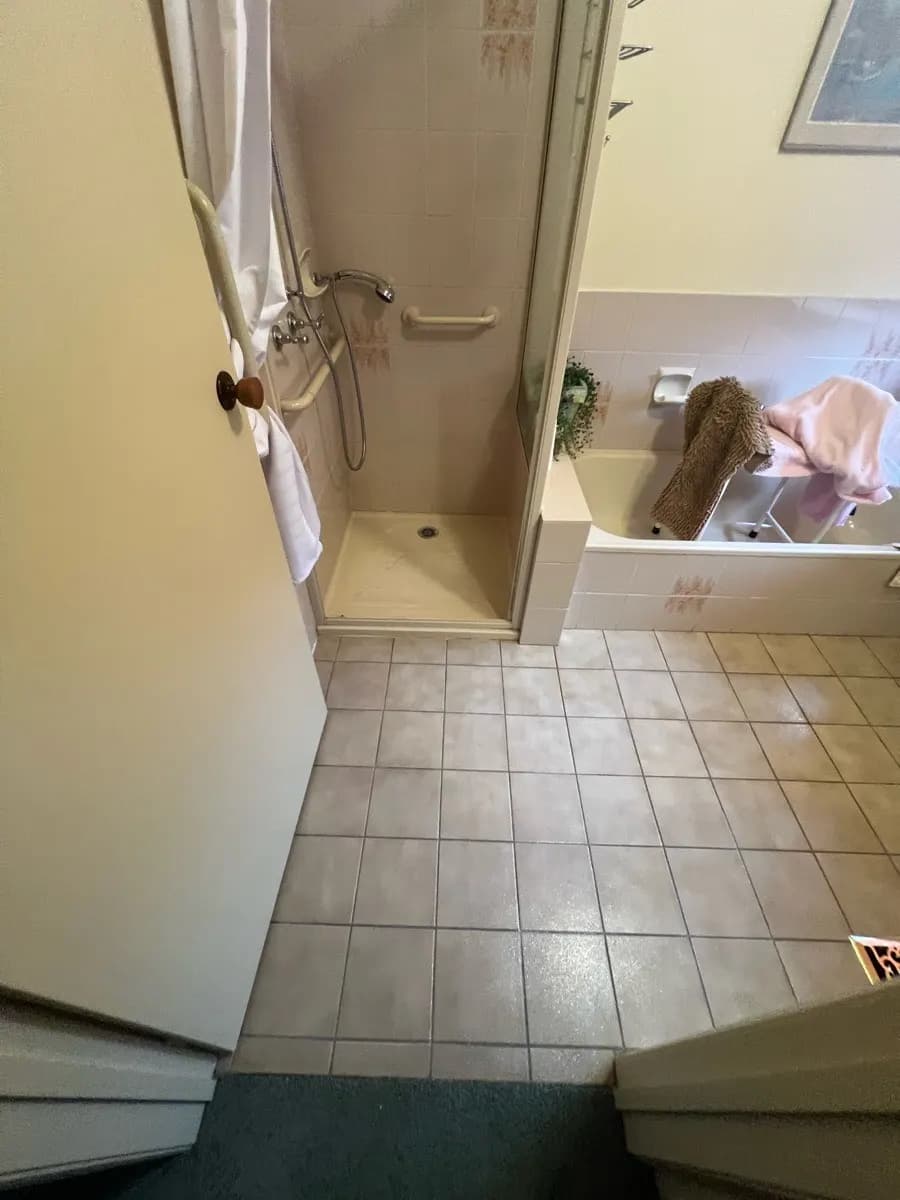
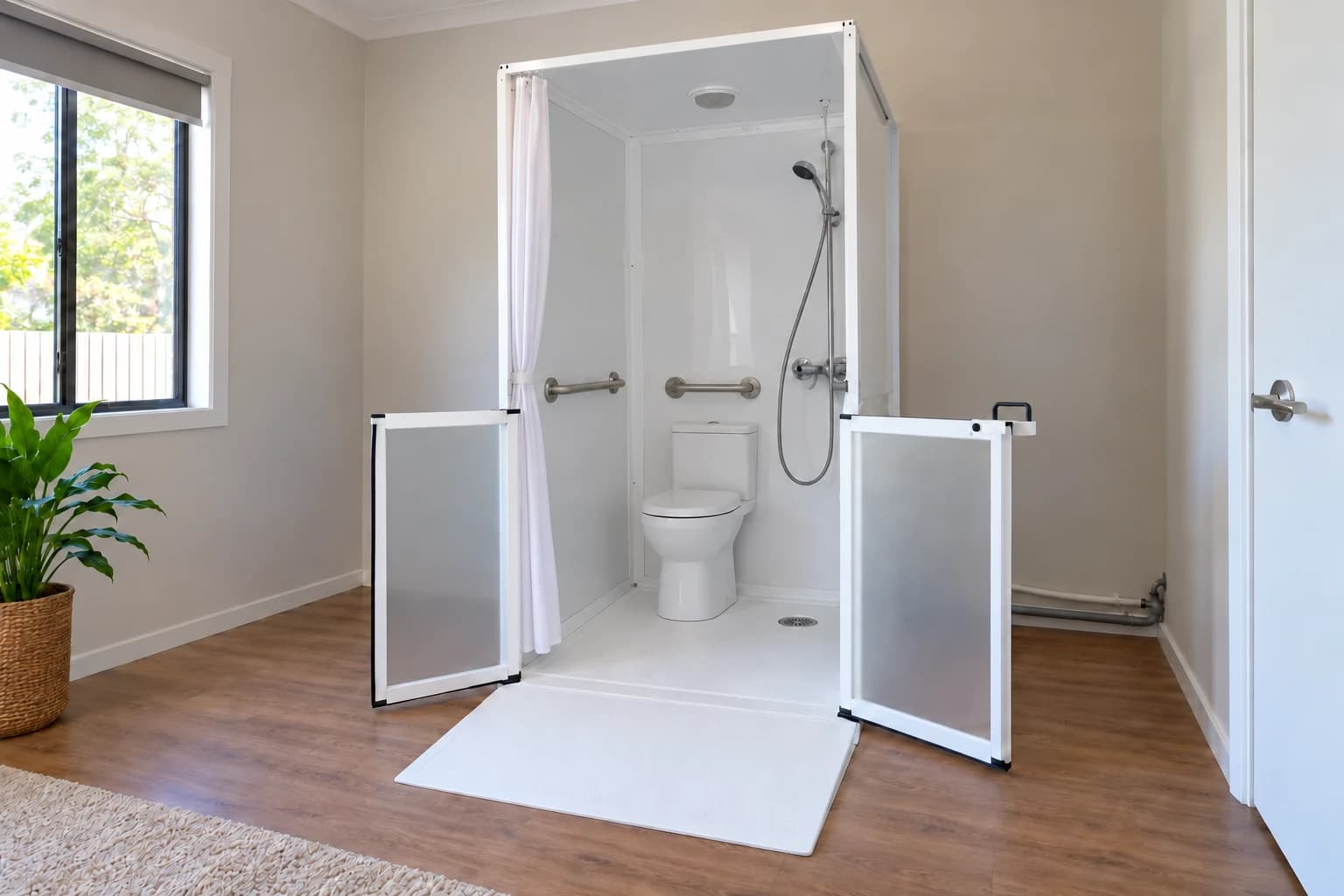
A level-access shower with a fold-down seat and a handheld shower on a vertical rail

A fixed head only servessomeone standing up.

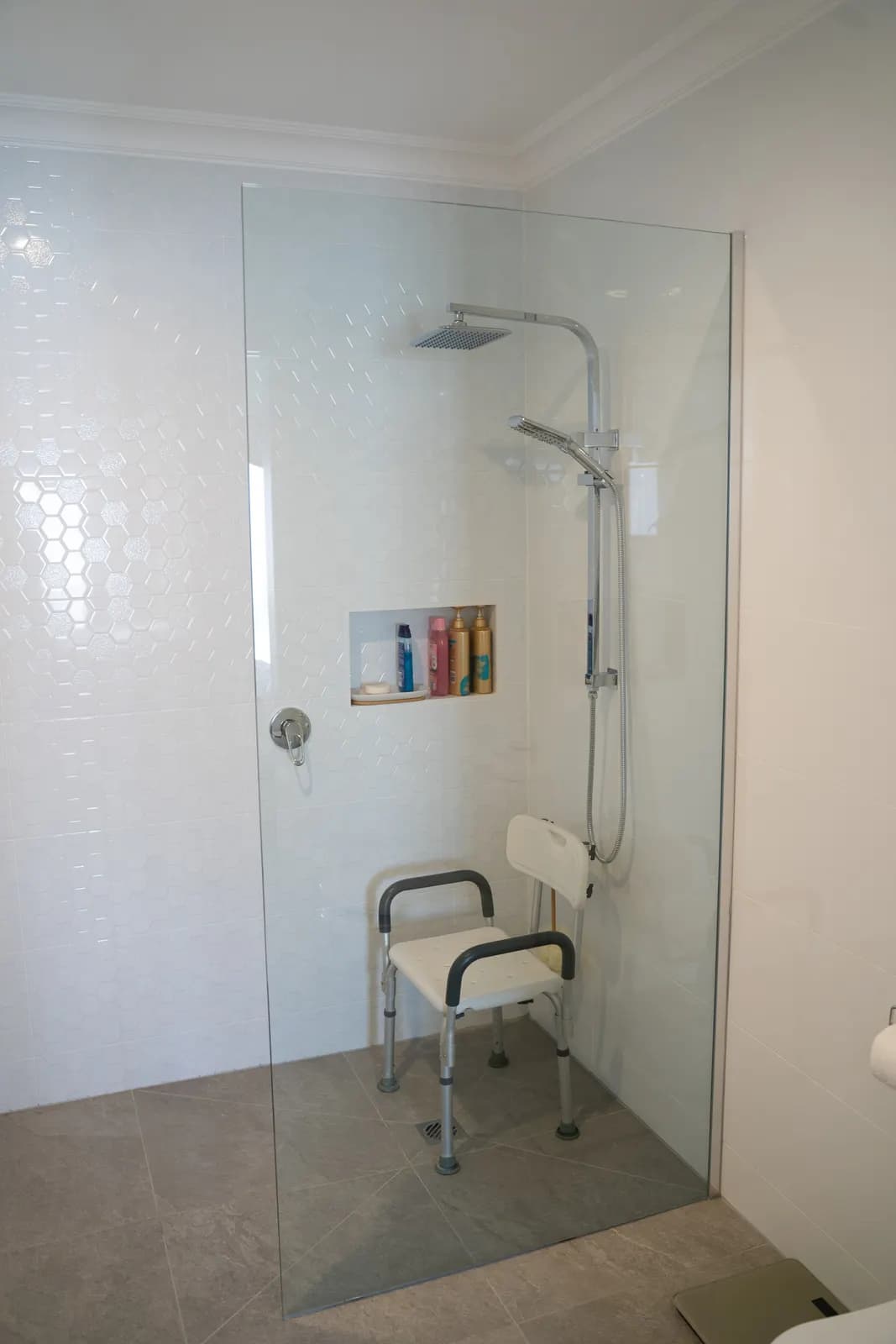
It is the detail people notice last and the one that decides whether a shower works. A head bolted to the wall at shoulder height points at where a standing adult used to be. Sit down on a shower seat and the water is going over your head and down the wall behind you.

A handheld head on a hose is the cheapest change on this whole site and often the one that makes the rest of it work. It comes down to a seated person, it lets someone wash without turning under the water, and it lets a carer direct it where it is needed instead of pushing the person into the spray.

Where it mounts is the part worth getting right. A slider on a rail lets the height be set for whoever is showering; a bracket at seat height suits a household where one person always showers sitting; and a hook is the version that needs no drilling at all.

Book a free measure and quote

Types of handheldshower systems.

Six ways to mount the same idea. Which one you want depends on who showers and whether anything can be drilled.

  • Handheld on a weight-bearing grab rail

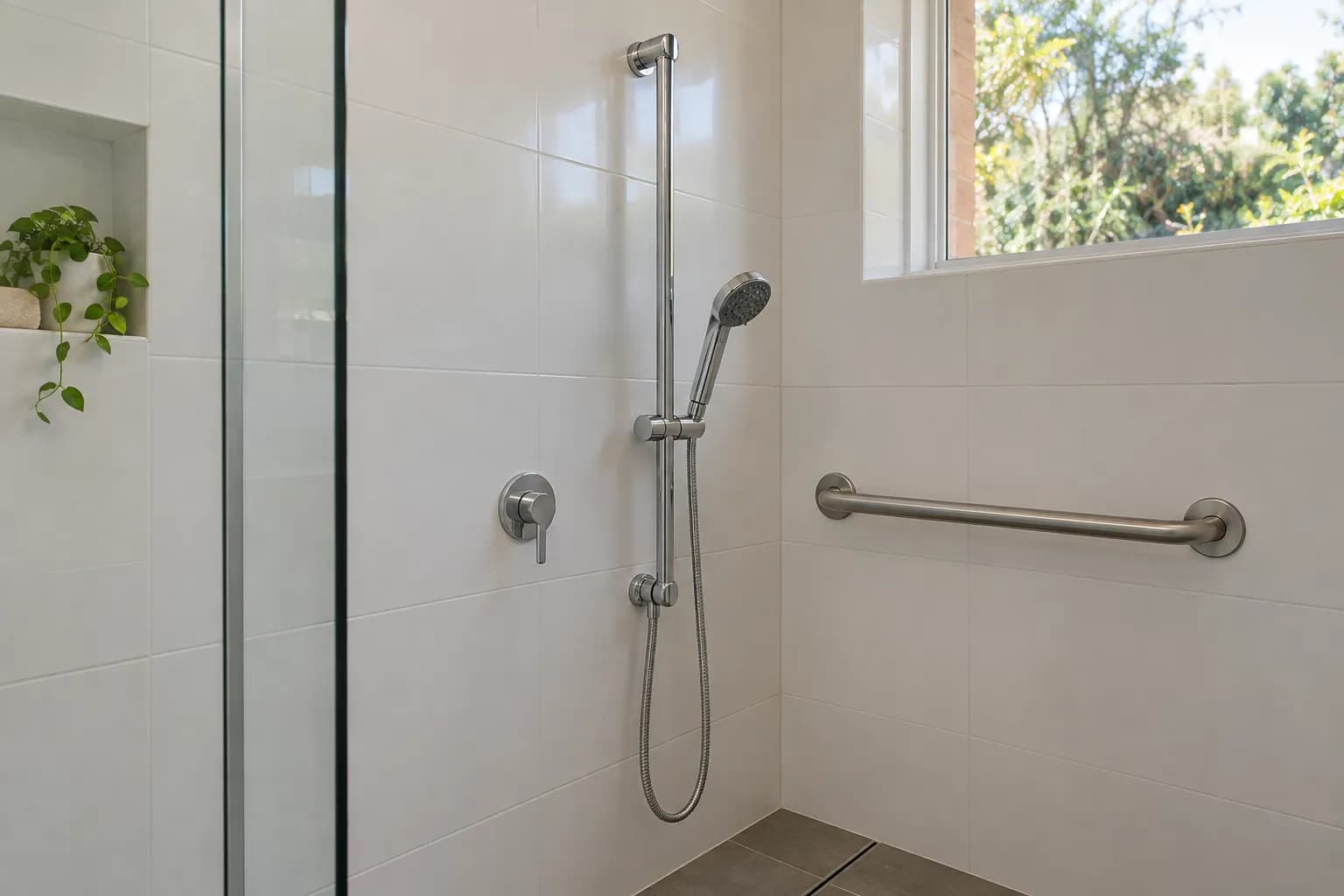
    The head slides along a rail that is fixed into the studs and rated to take a person’s weight. It does two jobs at once: height adjustment for the shower, and something solid to hold while you use it. The strongest option, and the one an occupational therapist most often specifies.

  • Handheld to mount on an existing grab rail

    The same idea where a suitable rail is already on the wall. The bracket clamps to it, so nothing new is drilled and the rail keeps its full strength.

  • Handheld on a chrome wall hook

    A hook that adheres to the tile, no drilling at all. Rental-friendly, and by far the quickest to fit — but it holds the head, not a person, and must never be grabbed for support.

  • Handheld on a sliding bracket

    A light rail with a slider, so the head can be set at any height. Suits a household where different people shower at different heights, and where nobody needs the rail itself to bear weight.

  • Gravity-fed handheld

    A specific unit for homes still on a gravity-fed hot water system, where the water pressure is low. It cannot be used with a diverter or switch cock — if your house is one of these, tell us when you ring so we quote the right thing.

  • Twin rail with an overhead

    A handheld on a rail alongside a fixed overhead head, on a diverter. For a shared bathroom where one person showers seated and another standing, and neither should have to change the setup.

Vital Ease at a glance

Projects completed
300+

Projects completed

Agreements with Home Care Package and NDIS providers
100+

Agreements with Home Care Package and NDIS providers

Valued customers
200+

Valued customers

  • NDIS — National Disability Insurance Scheme registered provider
  • State-wide Equipment Program approved supplier
  • Victorian Building Authority registered builder
  • Home Care Packages approved provider

Who we fitthese for.

  • Anyone showering seated

    A fixed head and a shower seat do not work together. This is the piece that makes the seat usable.

  • Carers and family helping

    Directing the water is far easier than moving the person. It also keeps the carer out of the spray, which matters when it happens twice a day.

  • People with limited reach or shoulder movement

    Bringing the water to the hand rather than raising the hand to the water.

  • Renters

    The wall-hook version needs no drilling and no permission, and it comes off cleanly when the lease ends.

Before you book,two things to know.

  • The hook version needs no drilling

    It adheres to the tile, comes off cleanly, and needs nobody’s permission. If you rent and cannot drill, this is the one.

  • Everything else is fixed work

    A rail — weight-bearing or not — is bolted to the wall, which means drilling into the tile and into the structure behind it. If you rent, you will need the owner’s or the agent’s permission first.

  • A hook is not a handhold

    Worth saying plainly: an adhesive hook holds a shower head and nothing else. If you want something to hold onto in the shower, that is a grab rail, fixed into studs, and it is a different fitting.

  • Tell us about your hot water system

    A gravity-fed system needs a specific unit, and it will not work with a diverter. Mentioning it when you ring saves a second visit.

Brochuresand guides.

The documents an occupational therapist, a plan manager, or a builder usually asks us for. We are preparing these now — ring or email in the meantime and we will send what you need.

Product brochures

  • Hand showers bookletComing soon
  • Hand shower accessories and fittingsComing soon

Quote request requirements

  • Hand showers — what we need to quoteComing soon

How the jobactually runs.

  1. Quoting

    Quoted to the occupational therapist’s specification where there is one, with our recommendations alongside it. Funding is approved before we start.

  2. On-site consultation and installation

    The same tradesperson checks the wall and the plumbing, agrees the height and position with you, and fits it on the spot. One visit, and the shower is usable that evening.

  3. Warranty

    The work is carried out by licensed tradespeople and backed by the relevant warranties. If something is not right, ring the same number you rang the first time.

It works best witha seat and a rail.

A handheld head on its own helps. Paired with something to sit on and something to hold, it changes the whole shower — and all three are usually quoted and fitted together on the same visit.

The hub page sets out everything that goes into an accessible shower and what each part actually fixes.

See all shower solutions

Questions

What people ask abouthand showers.

Frequently Asked Questions

Can a hand shower be fitted without drilling?
Yes. The wall-hook version adheres to the tile and needs no drilling at all, which makes it the answer for a rental. The trade-off is that it holds the shower head and nothing else — it is not something to grab for support, and it cannot be height-adjusted the way a slider on a rail can.
Can the hand shower mount on a grab rail?
Yes, and it is the arrangement we fit most. A bracket clamps to a rail that is already fixed into the studs, so you get height adjustment for the shower and a weight-bearing handhold from the same fitting. If there is no rail there yet, we can fit one and mount the shower to it in the same visit.
Will it work on my hot water system?
Almost always, but a gravity-fed system needs a specific unit and will not work with a diverter or switch cock. Tell us what you have when you ring — it is the one detail that decides which head we bring, and mentioning it saves a second visit.
Can I keep my existing overhead shower as well?
Yes. A twin rail arrangement puts a handheld on a rail alongside the fixed overhead head, with a diverter to switch between them. It suits a shared bathroom where one person showers seated and another standing, so neither has to change the setup for the other.
How long does it take to fit?
It is a single visit. Hand showers are stock items rather than made to measure, so once the quote is approved the same tradesperson comes out, agrees the position with you, and fits it. The shower is usable that evening.

Can’t see your question? Call us on +61 3 8658 1358 — we’re happy to talk it through.

Let us make your homework for you.

Ready to start your modification journey? Contact our team.

Ready to make your home safer and more accessible? Our team is here to help from your first consultation through to the final handover. Let’s talk about what’s possible for your home.

+61 3 8658 1358Contact us
Open
Mon–Fri: 9:00 AM – 5:00 PM
Serving
Melbourne & Sydney

Before you go

Still working outwhat your home needs?

A five-minute call is usually enough to tell you what is possible and roughly what it costs — no obligation, no pressure.