Skip to content

Mon–Fri: 9:00 AM – 5:00 PM

Vital Ease — home modification and maintenance solutions

A chair you can getout of again.

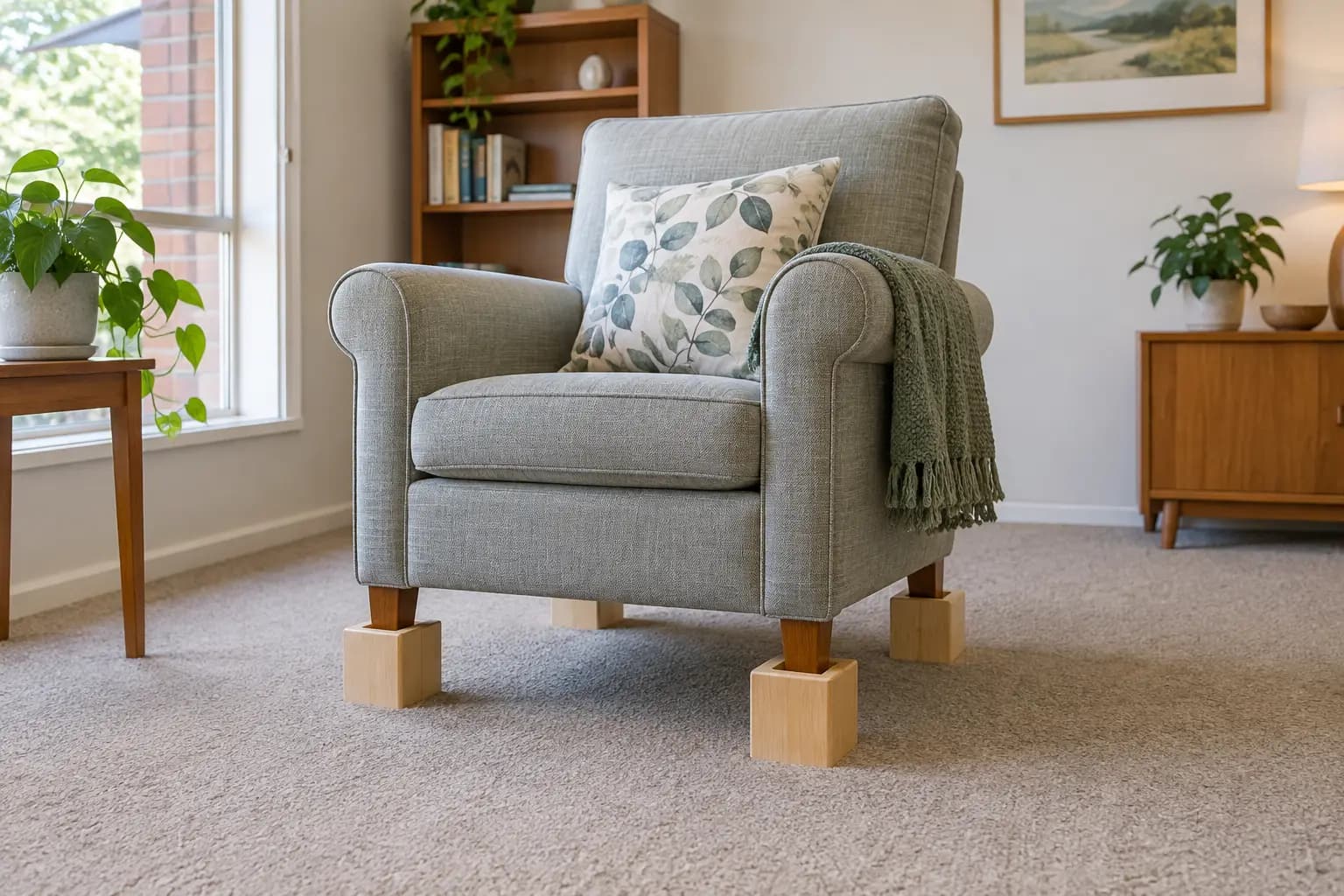
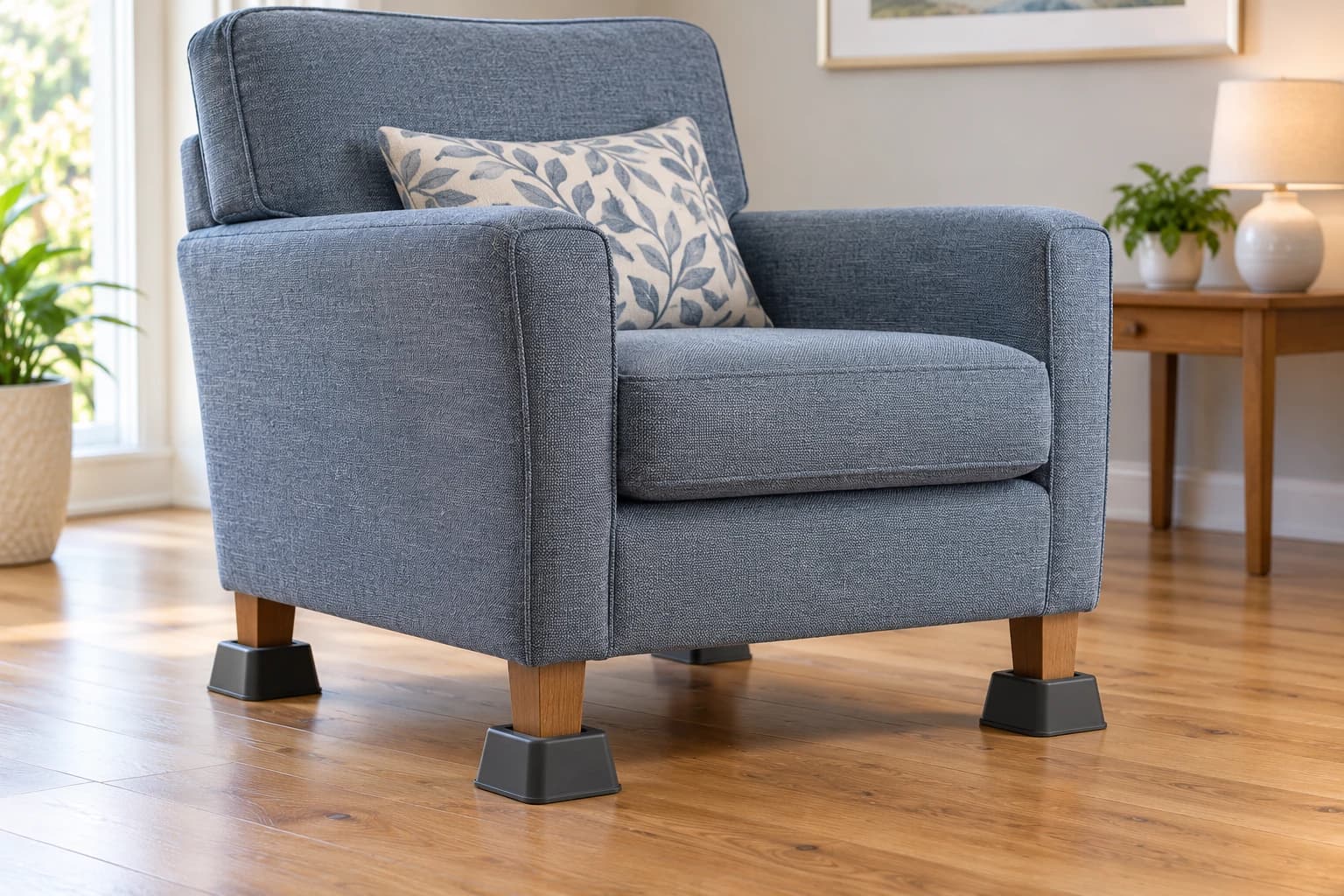
Custom timber and standard plastic raisers that lift a chair, bed, sofa, or washing machine to a height that does not need help to stand up from.

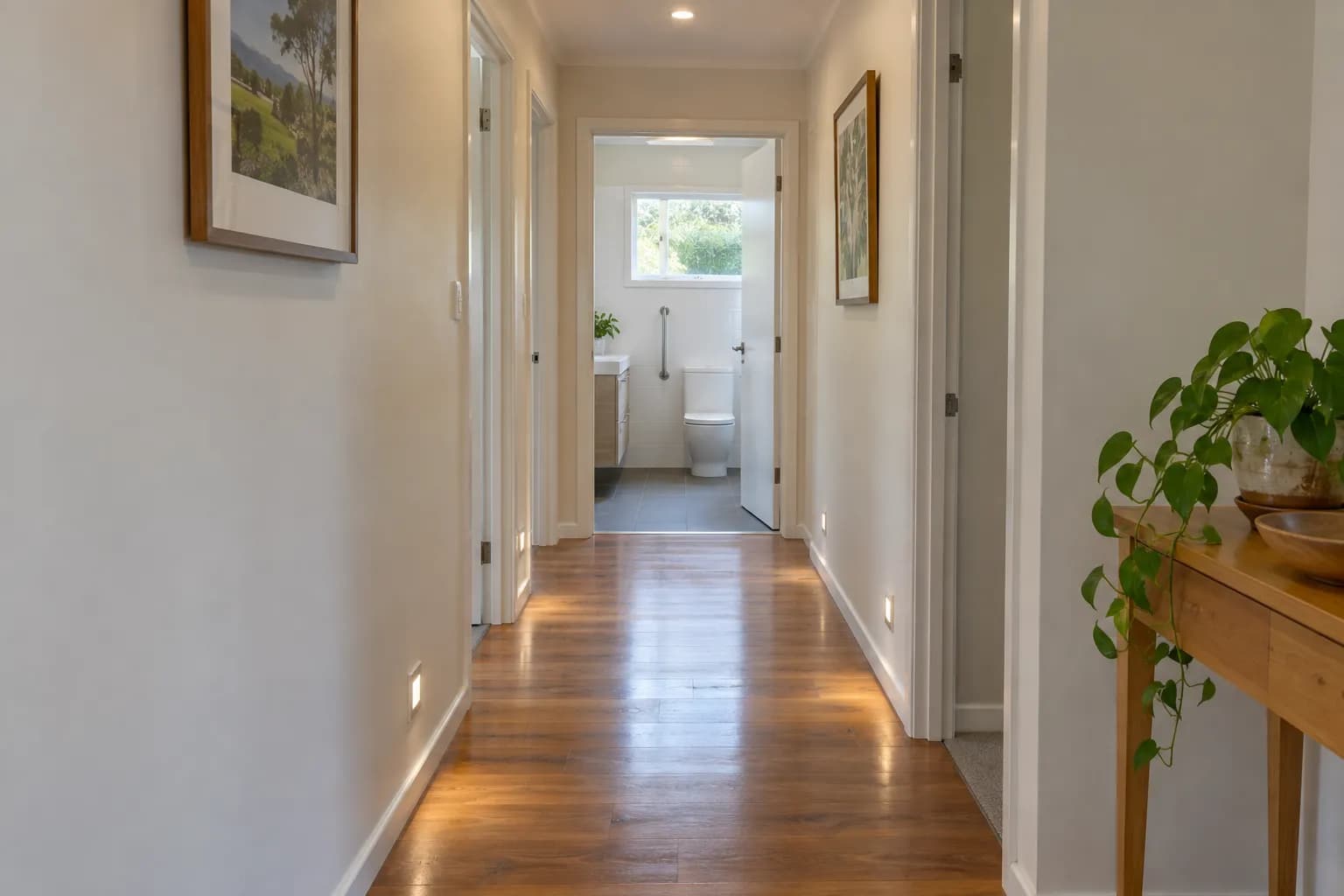
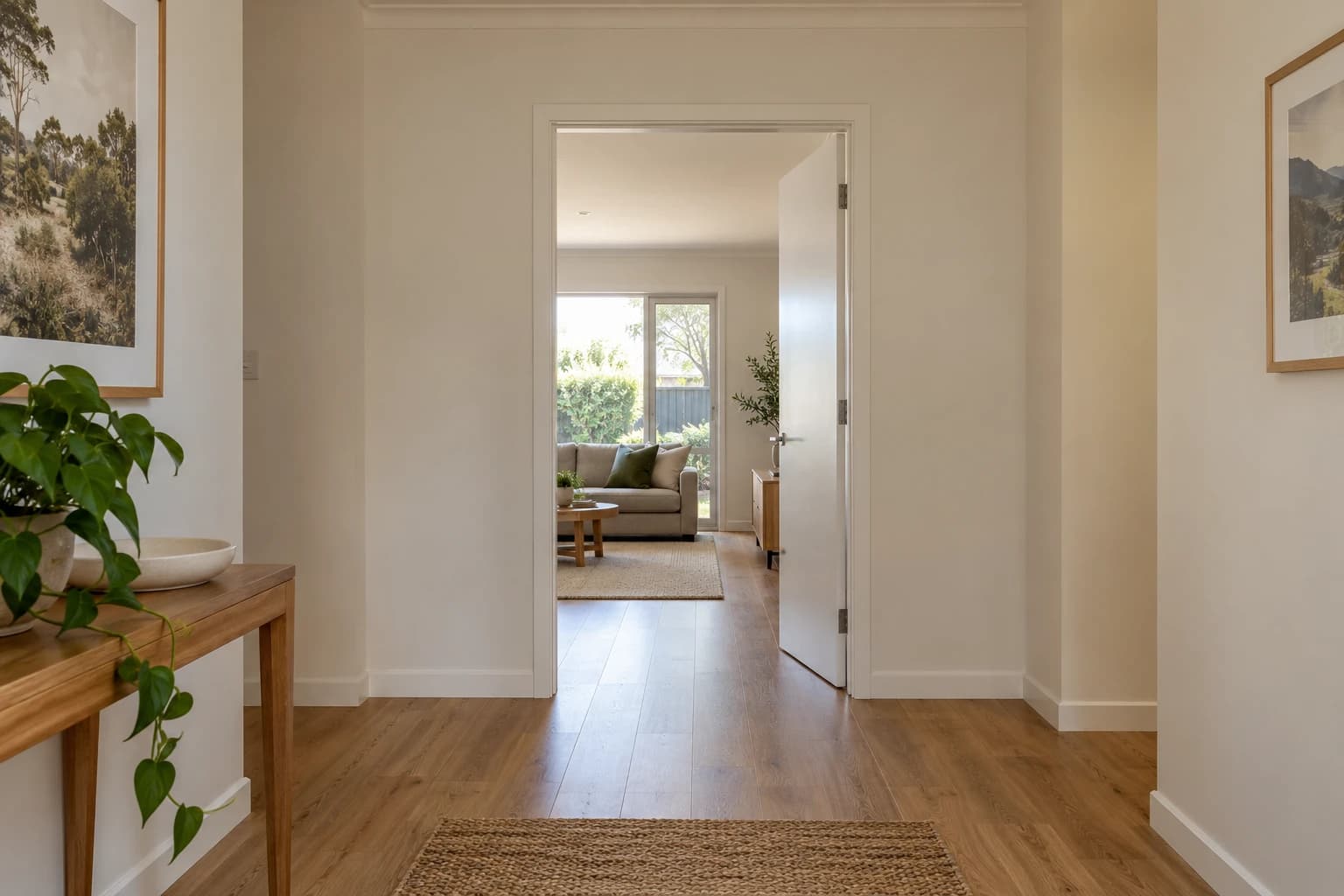
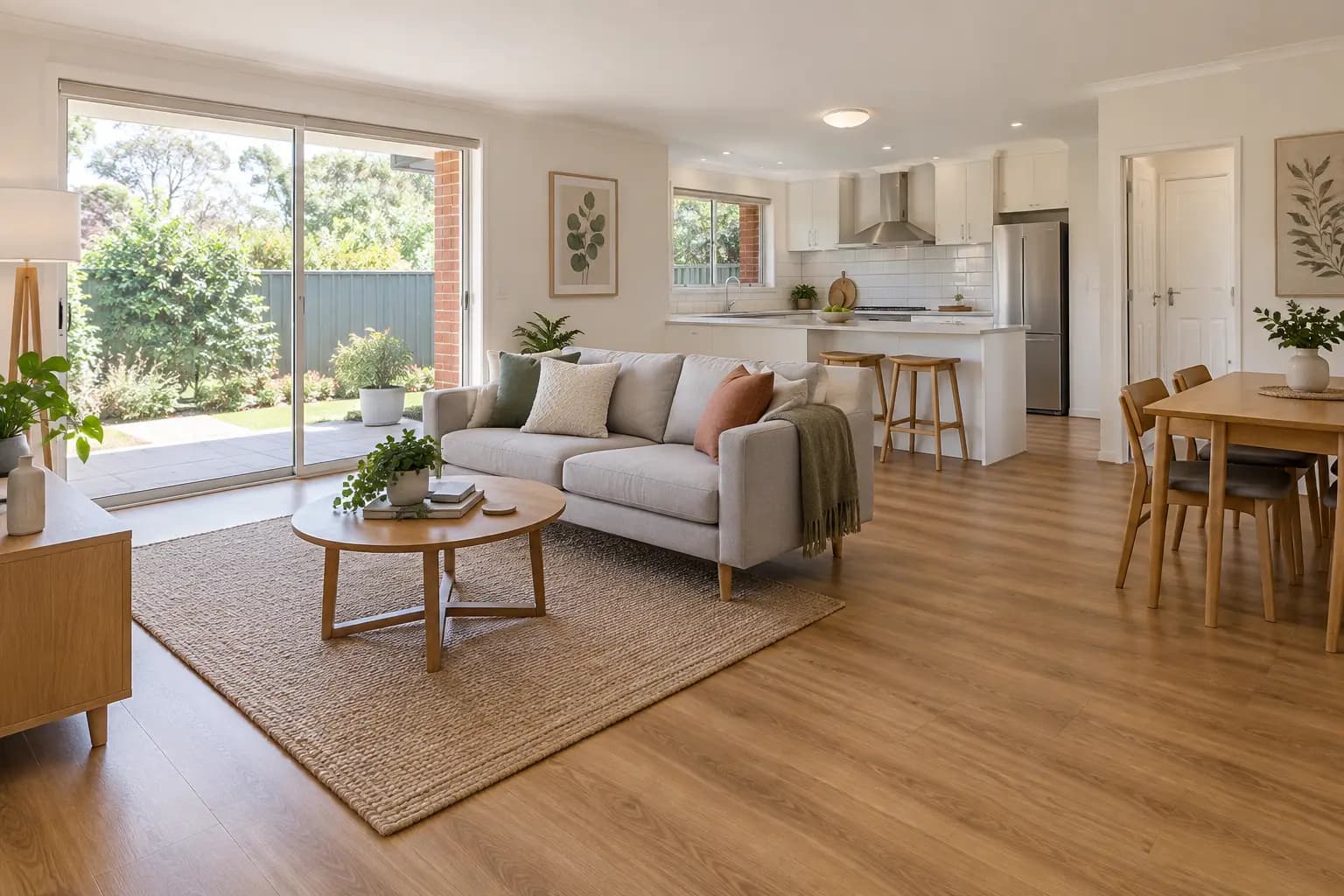
A Melbourne home interior during an accessibility modification, with living areas visible

The chair is fine.It is just too low.

Standing up from a seat uses more strength than almost anything else in a day, and it gets harder in a specific way: the lower the seat, the more the knees and hips have to do. A sofa that was comfortable for thirty years becomes a chair somebody needs a hand out of, and then a chair they avoid.

What follows is usually a decision nobody wanted to make — replacing furniture that is perfectly good, or buying a lift chair. Raising the existing seat by a few centimetres solves the same problem for a fraction of the cost and lets people keep their own things.

It applies well beyond armchairs. A bed that is too low to swing your legs out of, a sofa the whole household uses, and a front-loading washing machine that means bending to the floor twice a day are all the same problem, and the same fix.

Book a free measure and quote

Chair raiseroptions.

Two approaches, decided by the furniture and by how precise the height has to be.

  • Custom timber raisers

    Made to your furniture and to the height that suits the person, which is what you want where the exact seat height matters or where the legs are an unusual shape. Solid, stable, and they can be finished to sit with the piece rather than looking like an aid.

  • Standard plastic raisers

    Stock sizes that go under a bed, a chair, or a sofa quickly and cheaply. The right answer where the furniture is conventional and where the height needed falls close to a standard step. Available in more than one height.

  • For beds, chairs, and sofas

    Including multi-seat sofas and recliners, though a recliner needs a closer look — see the note below. A bed is the one people most often ask about second, having done the armchair first.

  • And for the washing machine

    Raising a front-loader takes the daily bend to floor level out of the laundry, which for anyone with a bad back or a replaced knee is often more valuable than the armchair.

Vital Ease at a glance

Projects completed
300+

Projects completed

Agreements with Home Care Package and NDIS providers
100+

Agreements with Home Care Package and NDIS providers

Valued customers
200+

Valued customers

  • NDIS — National Disability Insurance Scheme registered provider
  • State-wide Equipment Program approved supplier
  • Victorian Building Authority registered builder
  • Home Care Packages approved provider

Who we dothis for.

  • Older people finding it hard to stand up

    The commonest case, and one where a few centimetres genuinely changes whether somebody needs a hand.

  • After a hip or knee replacement

    Where there is a minimum seat height people are told not to go below. A raiser is usually the cheapest way to meet it in an existing house.

  • Households that would rather not replace furniture

    A raiser costs a fraction of a new lift chair and keeps a room looking like a room.

  • Carers and family

    Helping someone up from a low seat is one of the commonest ways carers hurt their own backs. Raising the seat reduces the lift.

Before you book,two things to know.

  • Nothing is drilled and nothing is damaged

    Raisers sit under the furniture. There is no structural work, nothing is fixed to the building, and they come out again — so they suit a rental, and they can go with you if you move.

  • We look at the furniture before we raise it

    Raising a piece lifts its centre of gravity, so a chair that was stable can become one that rocks. We check the legs, the frame, and how the person actually gets in and out before fitting anything.

  • Some furniture cannot be raised safely

    Recliners, anything on castors, pieces with splayed or slender legs, and frames that already flex are the usual ones. Where that is the case we will say so and suggest another approach, rather than fitting something that tips.

  • Higher is not automatically better

    A seat too high leaves feet dangling and pushes somebody forward as they stand, which is its own hazard. The right height is the one where feet are flat and the knees sit slightly below the hips, and it is set to the person on the visit.

Brochuresand guides.

The documents an occupational therapist or a plan manager usually asks us for. We are preparing these now — ring or email in the meantime and we will send what you need.

Product brochures

  • Plastic chair raisers — available heightsComing soon
  • Chair raisers — technical informationComing soon

Quote request requirements

  • Chair raisers — what we need to quoteComing soon

How the jobactually runs.

  1. Quoting

    Quoted to the occupational therapist’s specification where there is one. A photograph of the furniture and its legs usually tells us most of what we need. Funding is approved before anything is made.

  2. Measurement

    A first visit to measure the seat height, check the legs and the frame, and set the height with the person sitting in the chair rather than to a figure on paper.

  3. Manufacture

    Custom timber raisers are made to those measurements. Standard plastic raisers are stocked, so where those suit, this stage disappears and it becomes a single visit.

  4. Installation

    A second visit to fit them and check the furniture is stable with somebody actually sitting down and standing up from it.

  5. Warranty

    The work is carried out by licensed tradespeople and backed by the relevant warranties. If something is not right, ring the same number you rang the first time.

Getting up is easierwith something to hold.

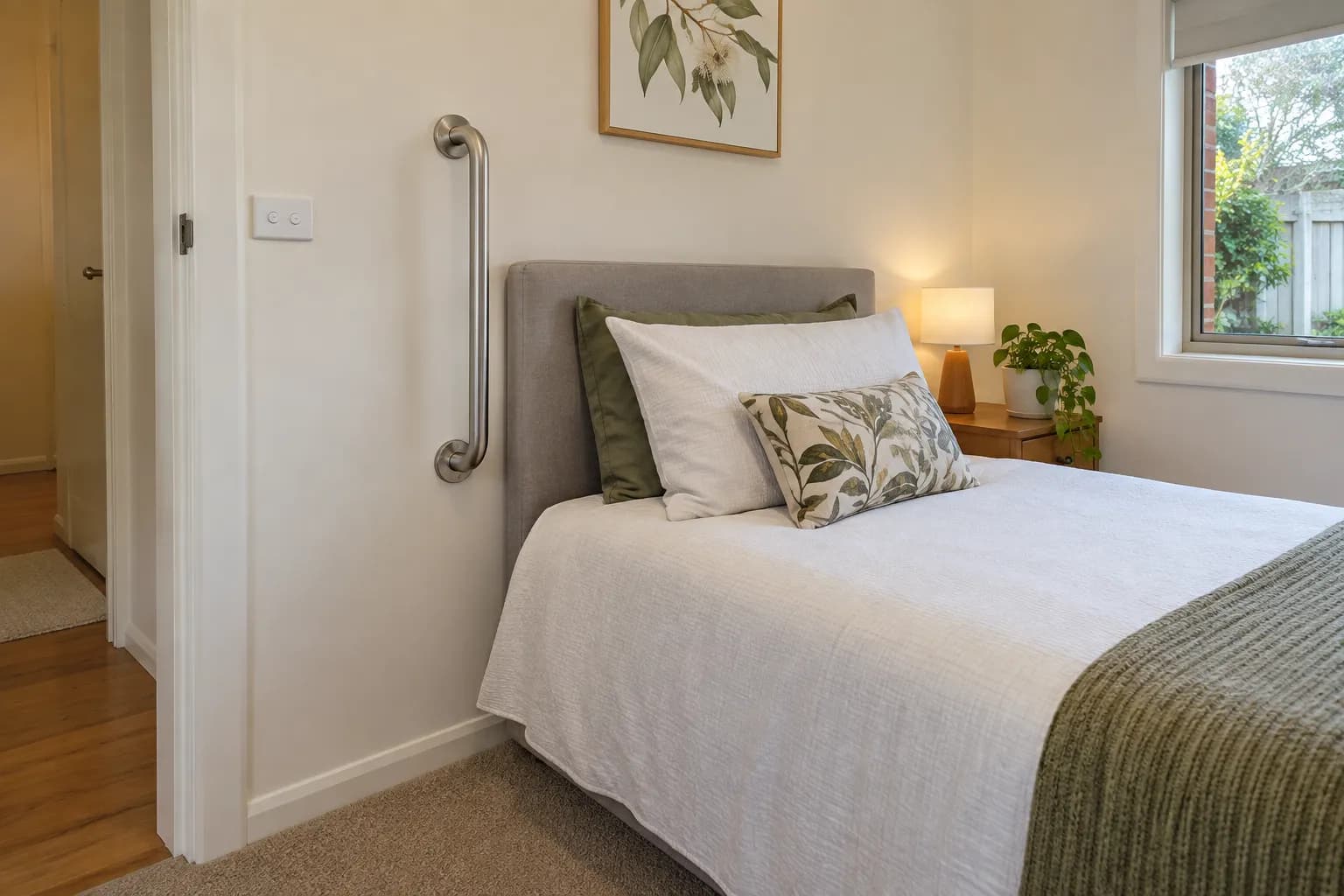
Raising the seat reduces how far somebody has to push. A rail beside the chair, the bed, or the toilet gives them something to pull on as well, and between the two most people manage without a hand.

Rails are usually quoted at the same visit.

See grab rails

Questions

What people ask aboutchair raisers.

Frequently Asked Questions

How high should the chair be?
The test is not a number, it is the person. Feet flat on the floor, knees a touch below the hips, and able to stand without pulling on anything. Too high is a real problem as well as too low — dangling feet push somebody forward as they rise. We set it with the person sitting in the chair rather than working to a figure.
Can you raise a recliner?
Sometimes, and it is the one we look at hardest. A recliner has a moving frame and a shifting centre of gravity, so raising it can make it unstable in a way a fixed armchair does not. We will assess it on the visit and tell you honestly if the answer is no — a raiser under something that then tips is worse than the low seat was.
Will it damage the furniture or the floor?
No. Raisers sit under the existing legs and are not fixed to the furniture or to the floor, so nothing is drilled, screwed, or glued. They lift straight out again, which is why they suit a rental and why they can move house with you.
Can you raise a bed or a washing machine too?
Yes to both, and they are two of the most common requests. A bed too low to swing your legs out of is the same problem as a chair. Raising a front-loading washing machine takes the daily bend to floor level out of the laundry, which for a bad back is often worth more than the armchair.
Will the NDIS or my Home Care Package pay for them?
Usually. Chair raisers are classed as a minor home modification and are frequently specified by an occupational therapist after a hospital discharge or a joint replacement, often alongside a rail. We set the quote out so a plan manager or case manager can approve it without further questions.

Can’t see your question? Call us on +61 3 8658 1358 — we’re happy to talk it through.

Let us make your homework for you.

Ready to start your modification journey? Contact our team.

Ready to make your home safer and more accessible? Our team is here to help from your first consultation through to the final handover. Let’s talk about what’s possible for your home.

+61 3 8658 1358Contact us
Open
Mon–Fri: 9:00 AM – 5:00 PM
Serving
Melbourne & Sydney

Before you go

Still working outwhat your home needs?

A five-minute call is usually enough to tell you what is possible and roughly what it costs — no obligation, no pressure.