Skip to content

Mon–Fri: 9:00 AM – 5:00 PM

Vital Ease — home modification and maintenance solutions

Independence in the one roomwhere help is hardest to accept.

Bidet installation by licensed electricians and plumbers, including the power point, the connection, and the backflow protection Victorian regulation requires.

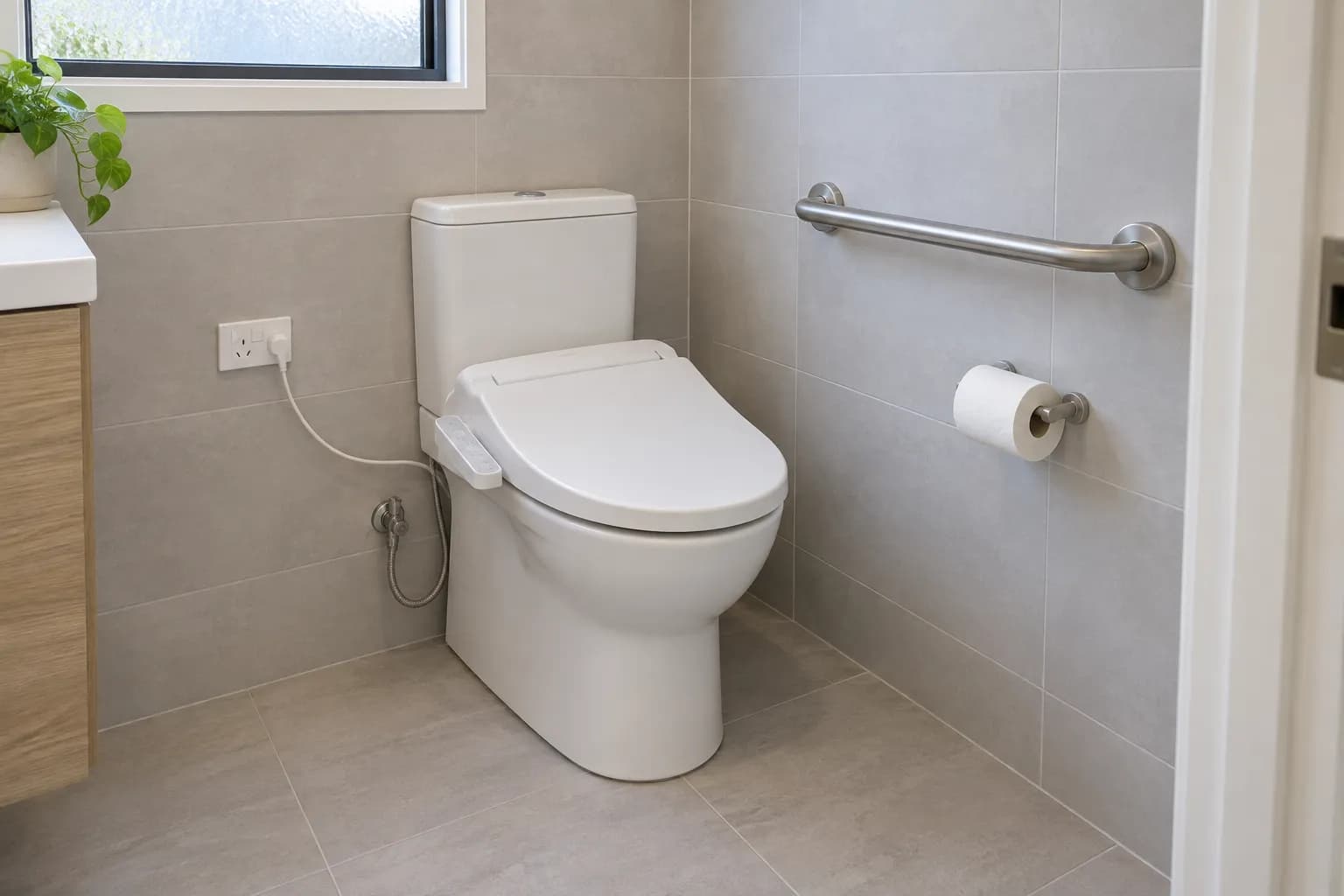
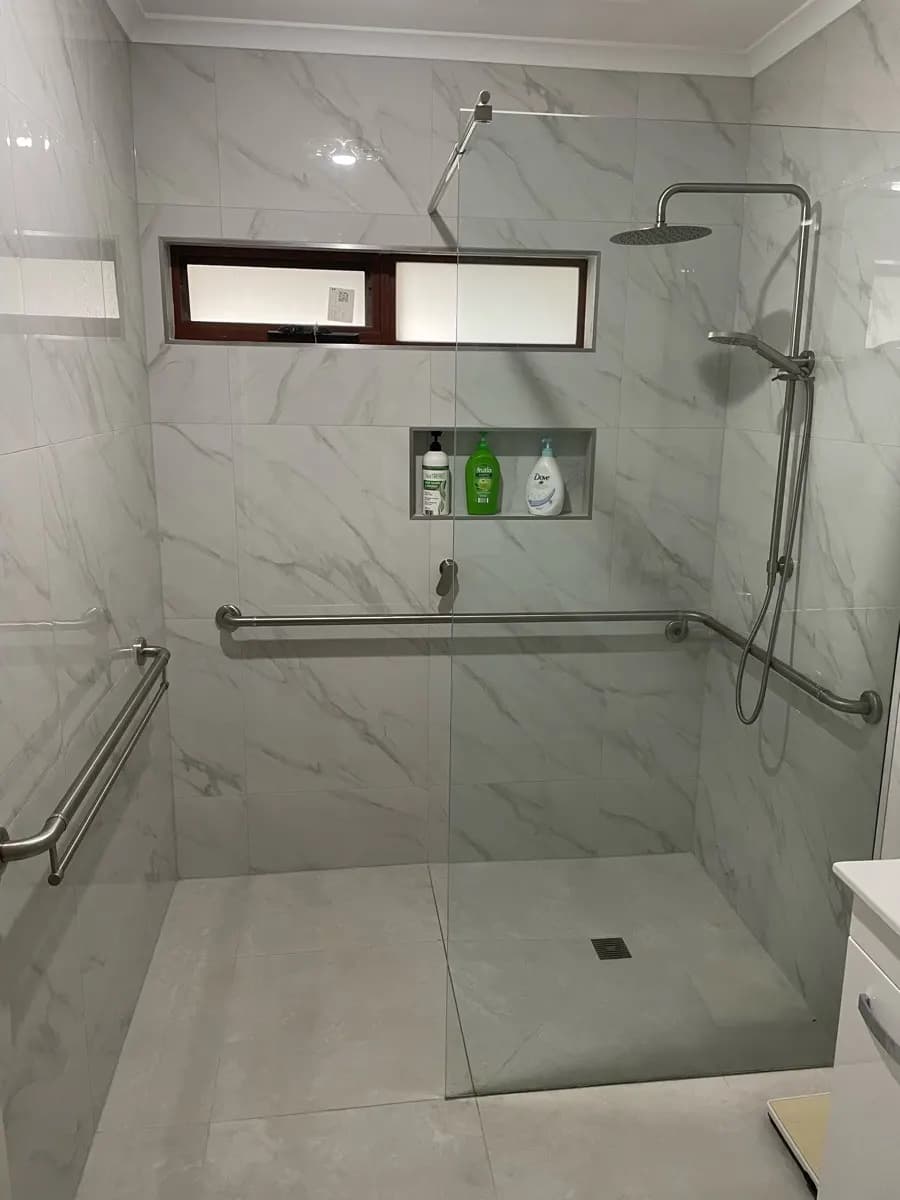
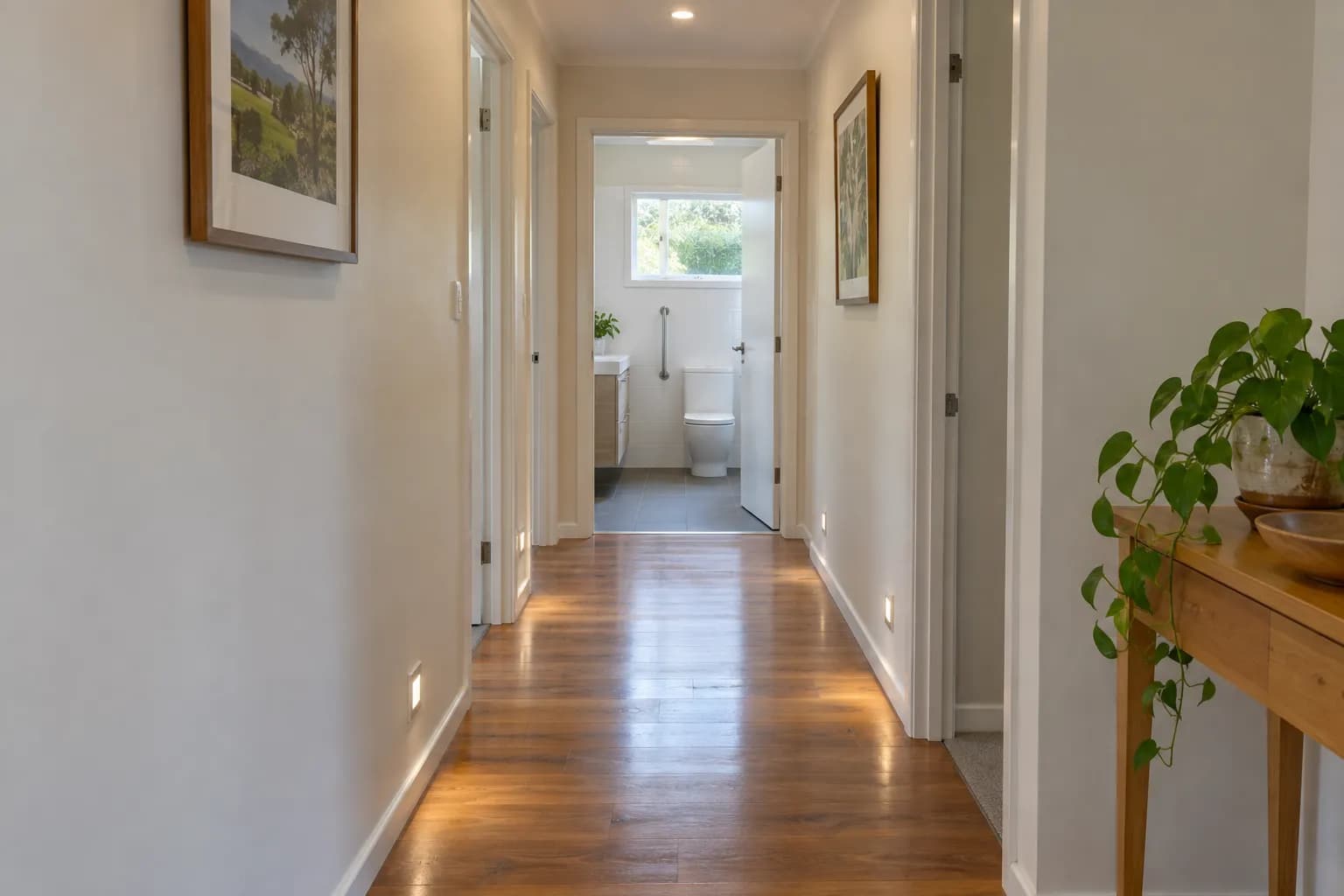
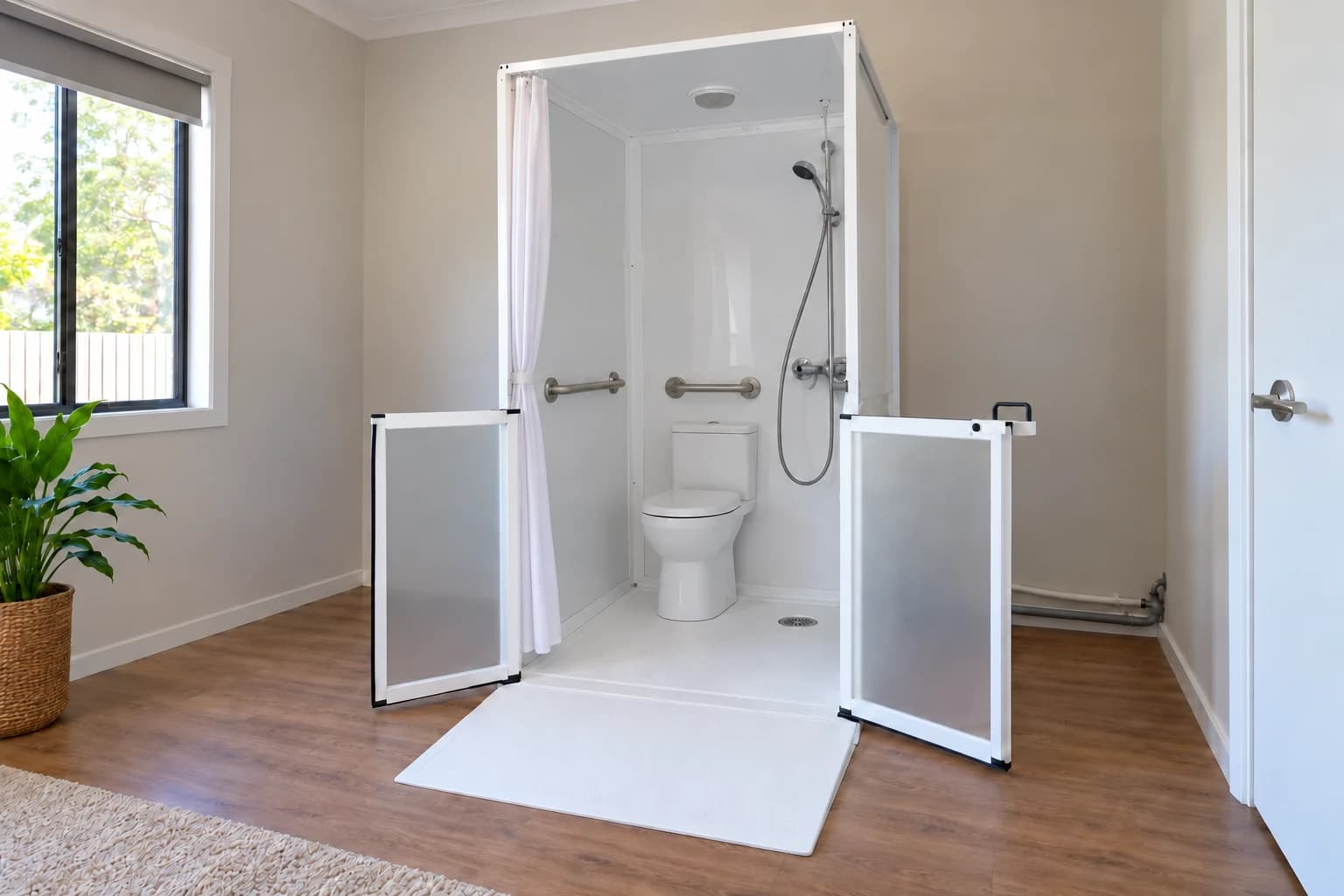
An accessible toilet in a tiled bathroom with black grab rails fixed to the wall alongside it

Why a bidet comes upin an assessment.

Toileting is the task people give up last and mind losing most. It is also the one where needing help changes a relationship — between a husband and a wife, or between a parent and an adult child — in a way that no other daily task quite does.

A bidet is often the difference between managing alone and needing somebody in the room. That is why occupational therapists prescribe them, and why the conversation about one is usually short: the person already knows whether they want it.

What is not short is the installation. A bidet needs power, it needs plumbing, and in Victoria it needs backflow protection — which is the part nobody is told about until the plumber arrives.

Ask us what your bathroom needs

What wedo.

Installation by the licensed trades the work legally requires.

  • Install only — the unit is supplied by you

    We do not stock bidets. The unit is supplied by the client or the occupational therapist, and we install it. We are glad to say what to look for before you buy, because the installation requirements sometimes rule a particular model out.

  • Electrical and plumbing, both licensed

    A bidet needs a power point near the toilet, which is an electrician’s work, and a water connection, which is a plumber’s. We organise both trades rather than leaving the household to coordinate them.

  • Compliant with Victorian requirements

    Backflow prevention is not optional and it is not a preference. It is what allows a fixture like this to be connected to the drinking water supply, and it is inspected.

Vital Ease at a glance

Projects completed
300+

Projects completed

Agreements with Home Care Package and NDIS providers
100+

Agreements with Home Care Package and NDIS providers

Valued customers
200+

Valued customers

  • NDIS — National Disability Insurance Scheme registered provider
  • State-wide Equipment Program approved supplier
  • Victorian Building Authority registered builder
  • Home Care Packages approved provider

Backflow protection,in plain terms.

A bidet connects the household water supply to a fixture where contamination is possible. To stop anything travelling back into the drinking water, Victorian plumbing regulation requires a backflow prevention device, and for a fixture of this hazard level that means a reduced pressure zone valve — an RPZ.

Two things follow from that, and both surprise people. The first is that the valve occasionally discharges a little water. That is not a fault. An RPZ valve is designed to relieve to atmosphere when it detects a problem, and a small discharge is the device demonstrating that it is working.

The second is that an RPZ valve has to be commissioned and then tested annually by a licensed plumber, with the results submitted to the authority. It is an ongoing obligation attached to the property, not a one-off cost, and it should be in the plan before the bidet is bought. Our plumber can carry out the annual test.

Whether one device is required or more than one depends on the fixture — a WaterMark-certified unit is treated differently from one that is not — and on the property. That determination belongs to the licensed plumber who inspects the site, which is why we ask for photographs before quoting.

Who itis for.

  • Seniors wanting to keep managing alone

    The change that most often keeps toileting a private task rather than an assisted one.

  • People with limited reach, grip, or balance

    Where the difficulty is not standing but the movement itself, a bidet removes the part of the task that has become unsafe.

  • Households wanting a change without a renovation

    A bidet is fitted to the toilet that is already there. It is a modification to a fixture, not to a bathroom, and the room is back in use the same day.

Installationnotes.

Read this before specifying one, particularly in a rented property.

  • This is fixed installation, and drilling is involved

    Mounting the unit, running the water connection, and installing the power point all involve fixing into the building. It is not a temporary or damage-free change, so in a rental it needs the property owner’s written permission first.

  • A power point near the toilet is required

    Most bidets are electric. If there is no general power outlet within reach of the cistern, one has to be installed, and that forms part of the quote rather than an extra discovered on the day.

How the installationruns.

  1. Quoting

    We quote to the occupational therapist’s specification, from photographs of the toilet, the room, and the nearest power outlet. Where a funding body is paying, the quote is approved before anything is booked.

  2. Electrician and plumber attend

    The electrician installs the power point near the toilet; the plumber makes the water connection, fits the unit, and installs the backflow protection. We organise both rather than leaving the household to coordinate two trades.

  3. Commissioning and handover

    The backflow device is commissioned, and we explain the annual testing obligation that now sits with the property rather than leaving it to be discovered a year later. The work is covered by the relevant warranties.

Brochuresand guides.

What an occupational therapist or plan manager needs to specify and approve a bidet installation.

Product guides

  • Bidet installation guide — what the job involvesComing soon

Quote request requirements

  • Minor modifications — quote request requirementsComing soon

Questions

What people ask aboutbidets.

Frequently Asked Questions

Do you supply the bidets?
No. We are an installer for this item rather than a supplier, so the unit is organised by the client or the occupational therapist and we fit it. We are very happy to say what to look for before you buy — whether a model is WaterMark certified, and whether it will suit the pan and the space you have — because those details change what the installation requires.
What is involved in a bidet installation?
Two trades, usually on the same visit. Because most bidets need power, an electrician installs a power point near the toilet, and a plumber makes the water connection and fits the bidet unit itself. In Victoria the plumbing also includes backflow prevention, so the plumber commissions that at the same time and the property then carries an annual testing obligation.
My RPZ valve is dripping — is something wrong?
Almost certainly not. A reduced pressure zone valve is designed to relieve water to atmosphere when it senses a pressure problem or debris in the supply, and an occasional discharge is the device doing exactly what it was fitted to do rather than failing. A continuous heavy flow is different and worth a call, but a drip is normal and is not a sign the installation was done badly.
What ongoing maintenance does a bidet need?
The unit itself follows the manufacturer’s instructions, and that is a question for whoever supplied it. The part that is ours is the backflow valve: an RPZ device must be tested annually by a licensed plumber and the results submitted to the authority. It is an obligation attached to the property rather than a one-off cost, so build it into the plan before the bidet is purchased. Our plumber can carry out that annual test.

Can’t see your question? Call us on +61 3 8658 1358 — we’re happy to talk it through.

Let us make your homework for you.

Ready to start your modification journey? Contact our team.

Ready to make your home safer and more accessible? Our team is here to help from your first consultation through to the final handover. Let’s talk about what’s possible for your home.

+61 3 8658 1358Contact us
Open
Mon–Fri: 9:00 AM – 5:00 PM
Serving
Melbourne & Sydney

Before you go

Still working outwhat your home needs?

A five-minute call is usually enough to tell you what is possible and roughly what it costs — no obligation, no pressure.