Skip to content

Mon–Fri: 9:00 AM – 5:00 PM

Vital Ease — home modification and maintenance solutions

Carers get inwithout a key under the mat.

A combination-locked key safe fixed properly to the wall, so support workers, family, and emergency services can reach a spare key without the resident crossing the house to answer the door.

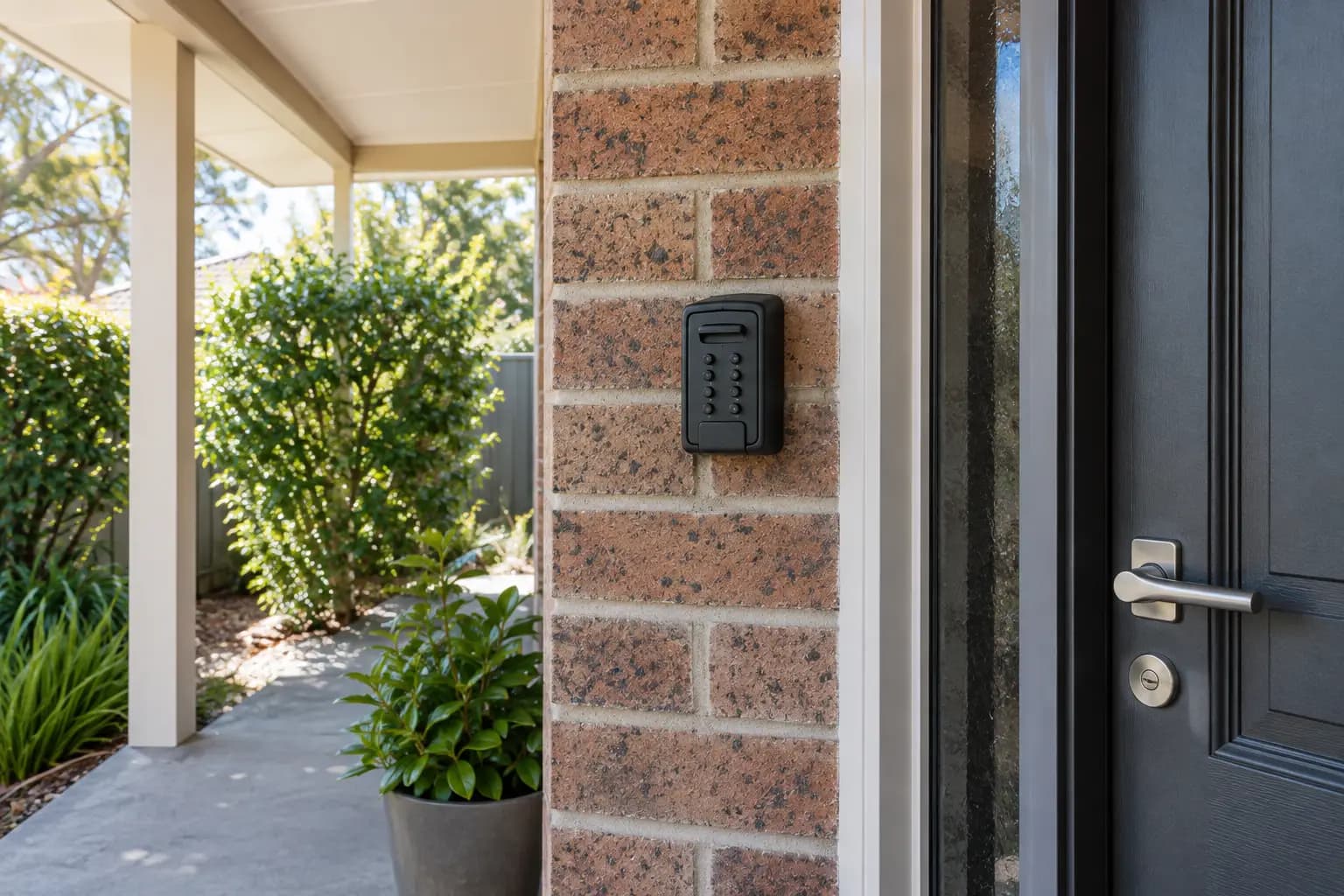
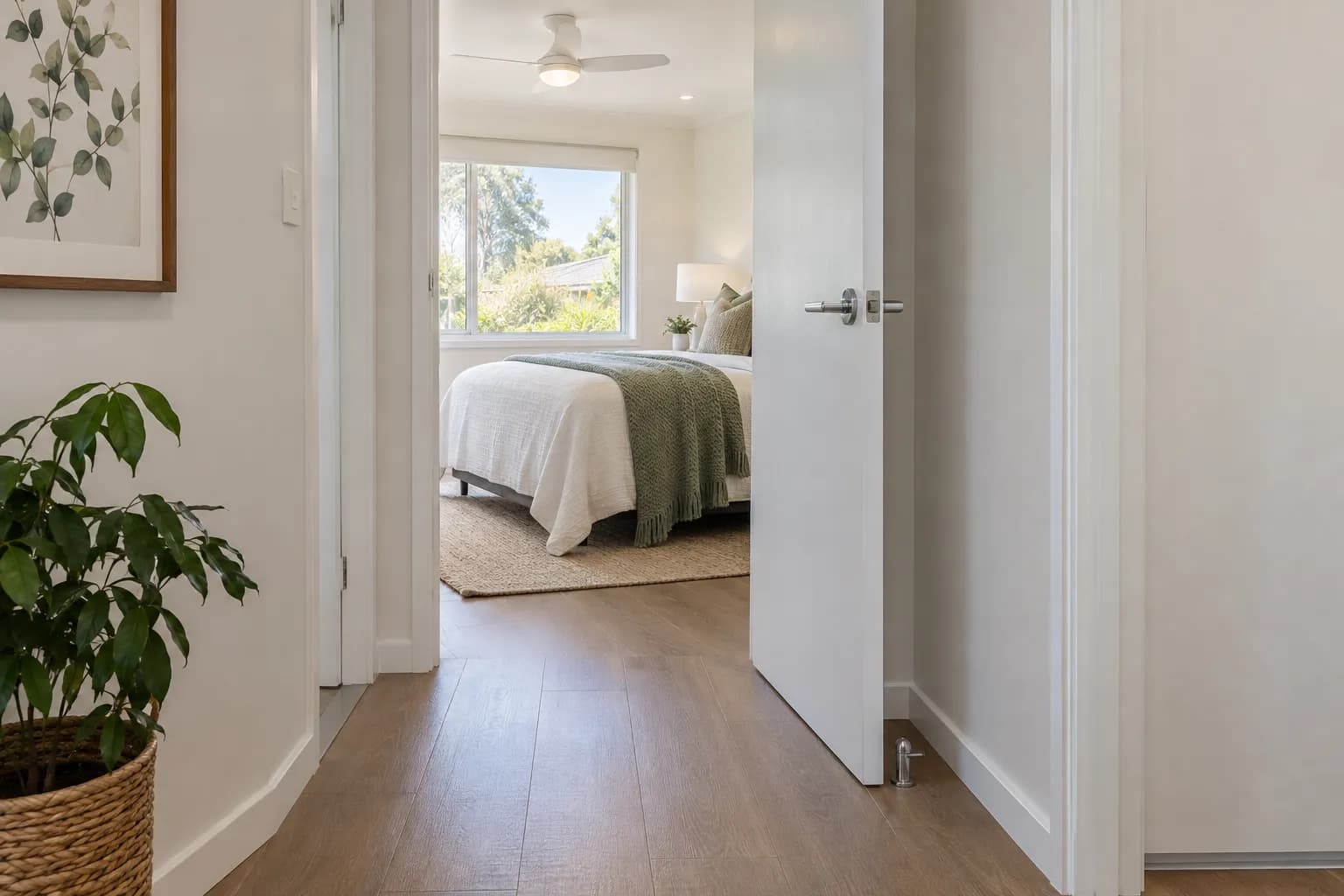
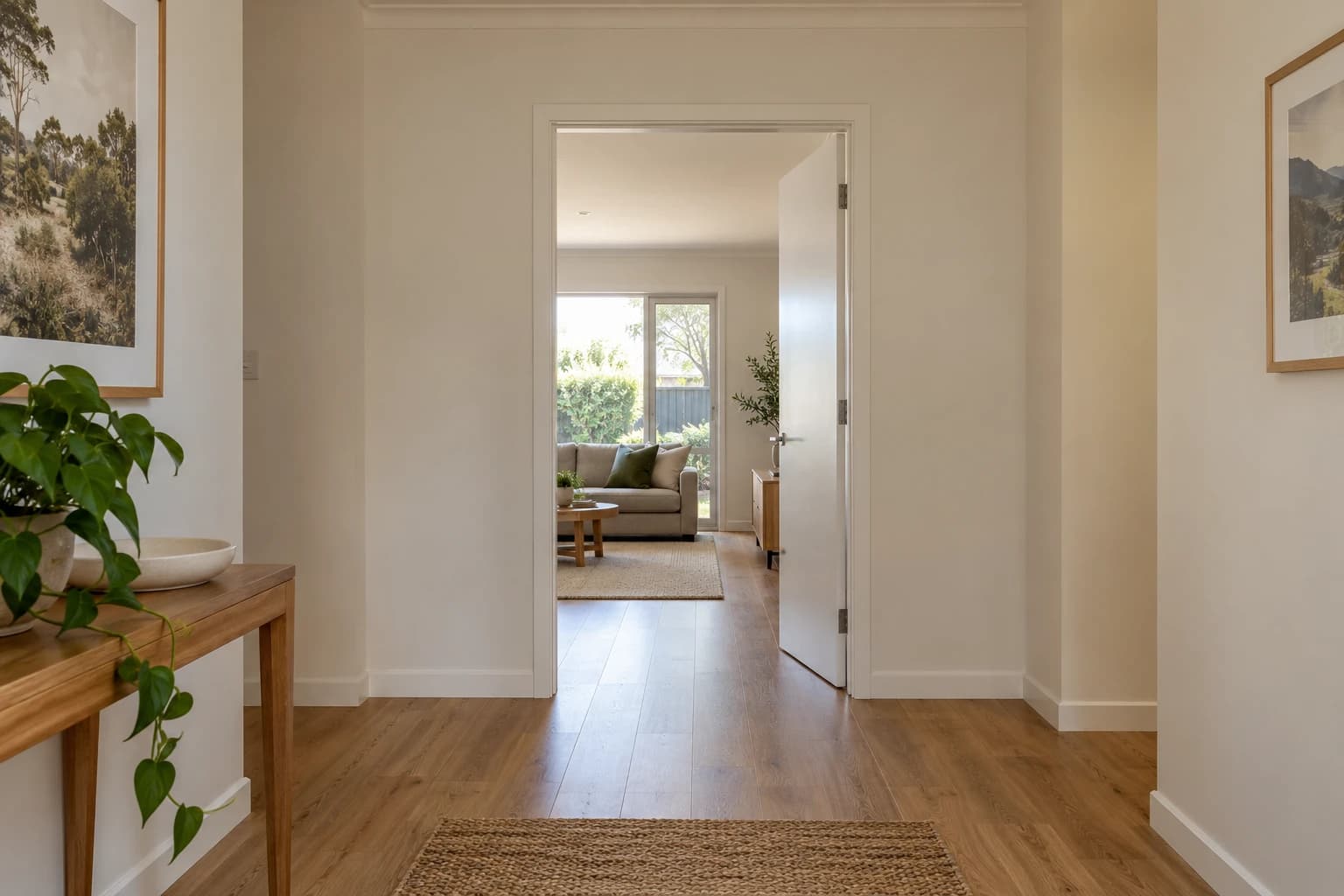
A wall-mounted keypad entry unit beside the frame of an open door in a modern home

The walk to the door isthe risky part of the visit.

Somebody who needs a support worker three times a day answers the door three times a day. If walking is the difficulty in the first place, that is three unnecessary trips down a hallway, often in a hurry, often to a doorbell that has already rung twice.

The alternatives households arrive at on their own are worse. A key under a pot by the front door is the first place anybody looks. A key left with four different people means four keys nobody can account for, and a lock that has to be changed when a service provider changes.

A key safe replaces all of that with one box on the wall and one code. The code can be given to the people who need it this month and changed when they stop coming, without the locks or the keys changing at all.

Ask us about fitting one

What a key safegives you.

  • A code rather than a key

    Access is a number you can pass over the phone and change when the arrangements change. Nobody has to be handed a key, and nobody has to be chased for one back.

  • Fixed to the wall, not hidden in the garden

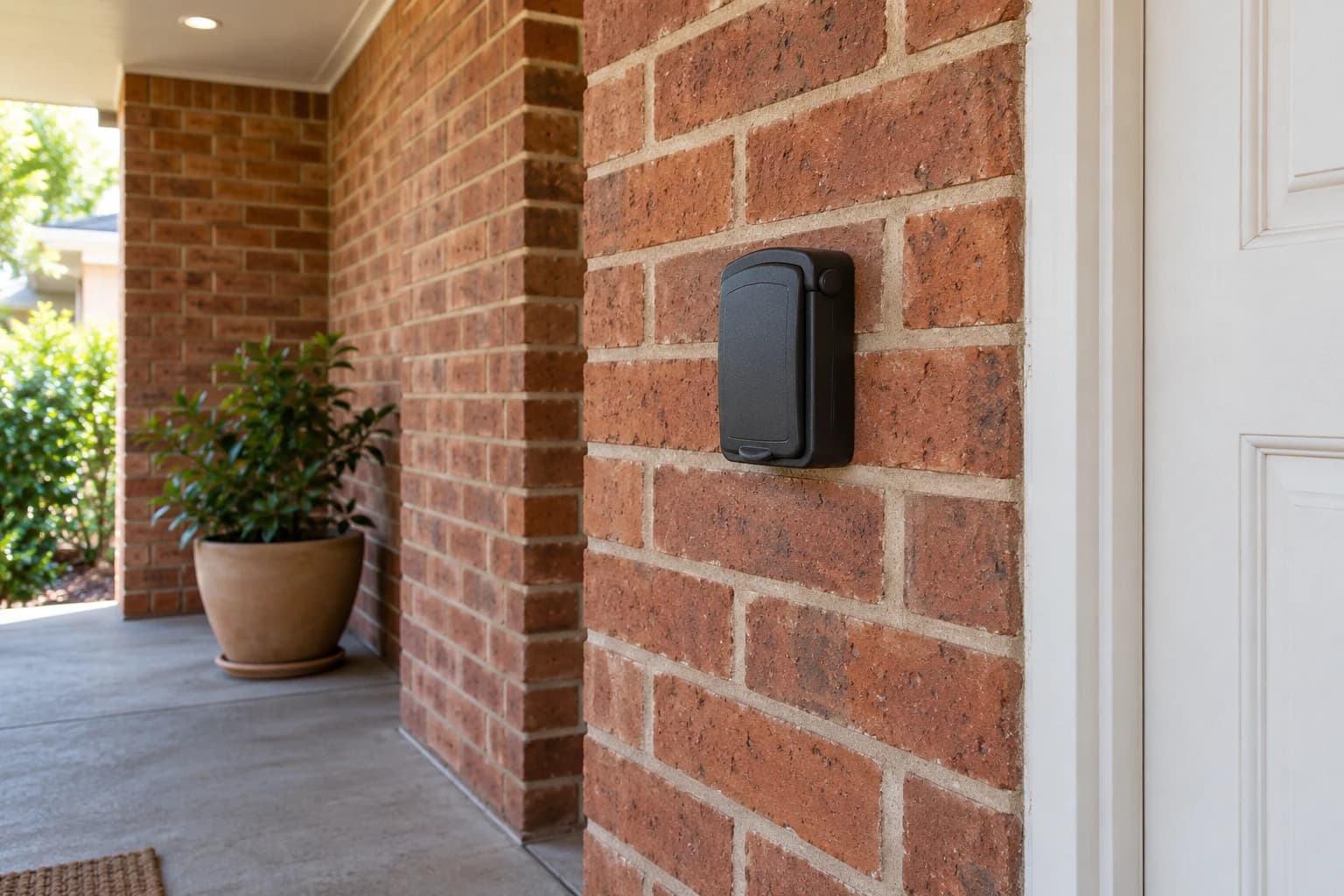
    We fit it into brick, concrete, or timber with the fixings it is supplied with, so it cannot simply be picked up and taken away. A properly mounted safe is the whole point of the device.

  • Weather-protected and out of the obvious spot

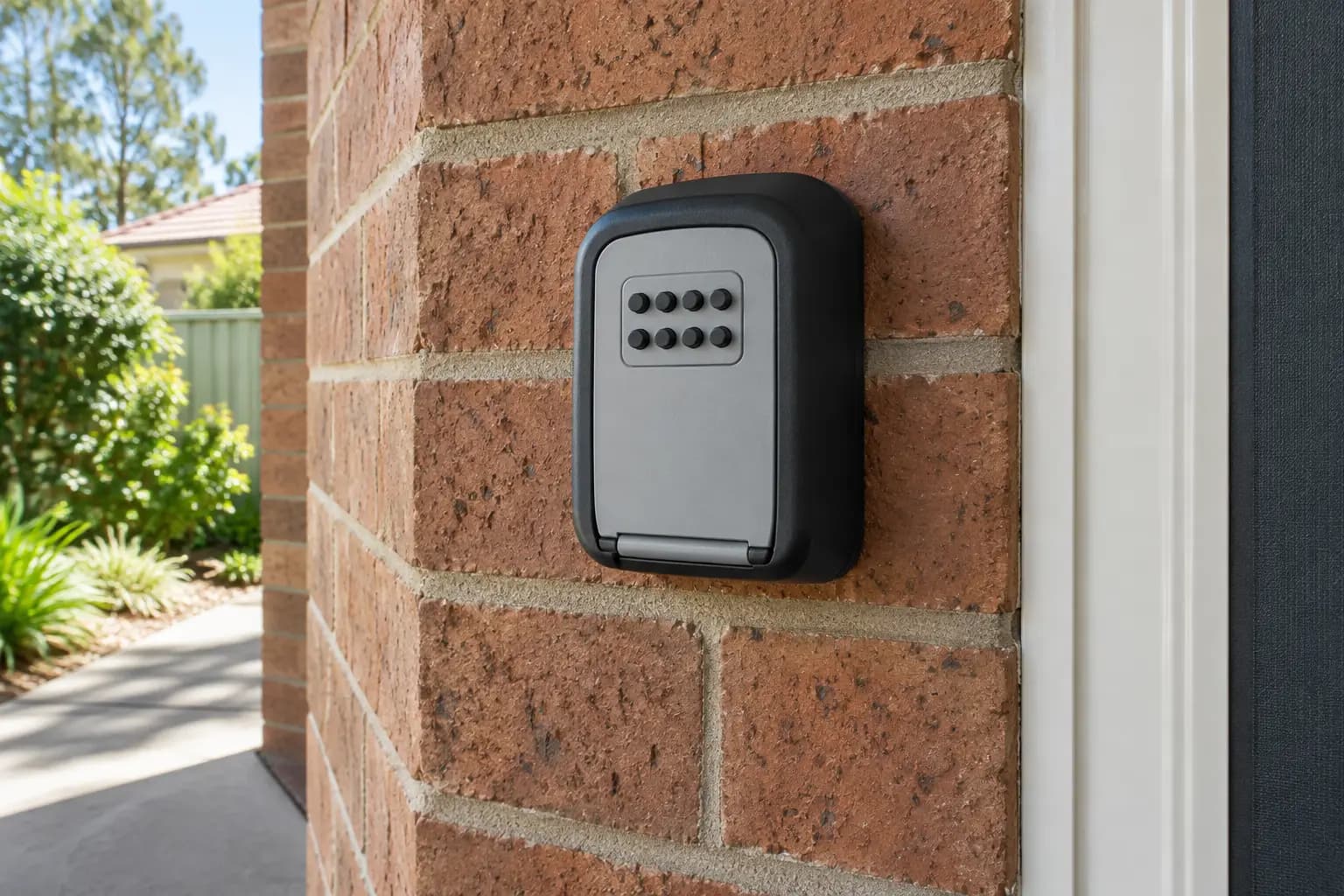
    A sliding cover keeps rain and grit out of the dial and keeps the code discreet while it is being entered. Placement matters as much as the box, and we will talk about where before we drill.

  • A way in during an emergency

    If somebody falls and cannot reach the door, the alternative to a key safe is a forced entry. Ambulance Victoria and family can be given the code in advance, which turns a broken door into a code entered at the front step.

Vital Ease at a glance

Projects completed
300+

Projects completed

Agreements with Home Care Package and NDIS providers
100+

Agreements with Home Care Package and NDIS providers

Valued customers
200+

Valued customers

  • NDIS — National Disability Insurance Scheme registered provider
  • State-wide Equipment Program approved supplier
  • Victorian Building Authority registered builder
  • Home Care Packages approved provider

The honest answerabout security.

A key safe is a trade-off and it is worth being straight about it. It is considerably more secure than a key under a mat or a pot, because the key is inside a fixed steel box behind a code. It is less secure than having no key outside the house at all.

Where that trade-off lands depends on the household. If somebody genuinely cannot get to the door, or if a fall behind a locked door is the risk you are managing, a key safe is almost always the right call — and it is what home care providers and hospital discharge teams routinely ask for.

What makes the difference in practice is not the brand of the box. It is whether it is mounted into something solid, whether it is out of the first place a stranger would look, and whether the code is actually changed when a support worker stops visiting. We can do the first two. The third is worth putting in the care plan.

Who we fitthem for.

  • Home care and support worker access

    The most common reason by far. Multiple workers, changing rosters, and a resident for whom answering the door is the hard part of the visit.

  • Family who live some distance away

    An adult child an hour away can get in when a call is not answered, without a key they may not have with them.

  • Anyone who has been locked out once already

    A spare key stored safely is cheaper than a locksmith at nine on a Sunday evening, and it is one of the few modifications people install before rather than after a problem.

Installationnotes.

  • Fixed installation, and drilling is required

    A key safe is only as good as what it is bolted to, so it is fixed into brick, concrete, or solid timber. That means holes in the building, and in a rental it needs the property owner’s permission first.

  • We will discuss placement before we drill

    Beside the door is convenient and is also the first place anybody looks. There is usually a spot that is easy for a carer to find when told where it is, and not obvious to somebody who was not.

Brochuresand guides.

What is needed to specify and approve a key safe installation.

Quote request requirements

  • Minor modifications — quote request requirementsComing soon

Questions

What people ask aboutkey safes.

Frequently Asked Questions

Is a key safe actually secure?
It is a trade-off rather than a free win, and it is worth being clear about that. A combination box bolted into brick is far more secure than a key under a mat or in a pot by the door, which is what it usually replaces. It is less secure than having no key outside at all. Where somebody genuinely cannot reach the door, or where a fall behind a locked door is the risk being managed, it is almost always the right call.
Where should a key safe be mounted?
Somewhere solid, out of the weather, and not in the first place a stranger would look. Directly beside the front door is the most convenient and the most obvious, so we usually suggest a wall a step or two away that a carer can find easily when told where it is. We talk this through on site before drilling, because moving one afterwards means a second set of holes.
Can several carers and family members share one code?
Yes, and that is the ordinary arrangement. One code can be given to a support agency, to family, and to emergency services, and it can be changed by the household whenever the arrangements change — when a provider changes, when a worker stops visiting, or simply on a schedule. Changing the code costs nothing, whereas changing a lock because a key is unaccounted for does.
Can a key safe be fitted to a brick or rendered wall?
Yes. Brick, concrete, and solid timber are all suitable and are what we fix into most often, using the heavy-duty fixings the safe is supplied with. Rendered walls are fine too, as long as there is something solid behind the render. What does not work is fixing into plasterboard or a hollow section alone, because the box would come away with the wall rather than resisting anything.

Can’t see your question? Call us on +61 3 8658 1358 — we’re happy to talk it through.

Let us make your homework for you.

Ready to start your modification journey? Contact our team.

Ready to make your home safer and more accessible? Our team is here to help from your first consultation through to the final handover. Let’s talk about what’s possible for your home.

+61 3 8658 1358Contact us
Open
Mon–Fri: 9:00 AM – 5:00 PM
Serving
Melbourne & Sydney

Before you go

Still working outwhat your home needs?

A five-minute call is usually enough to tell you what is possible and roughly what it costs — no obligation, no pressure.