Skip to content

Mon–Fri: 9:00 AM – 5:00 PM

Vital Ease — home modification and maintenance solutions

If someone falls behindthe bathroom door.

Safety hinges and lift-off hinges let an inward-opening toilet or bathroom door be opened or removed from the outside, in the situation it matters most.

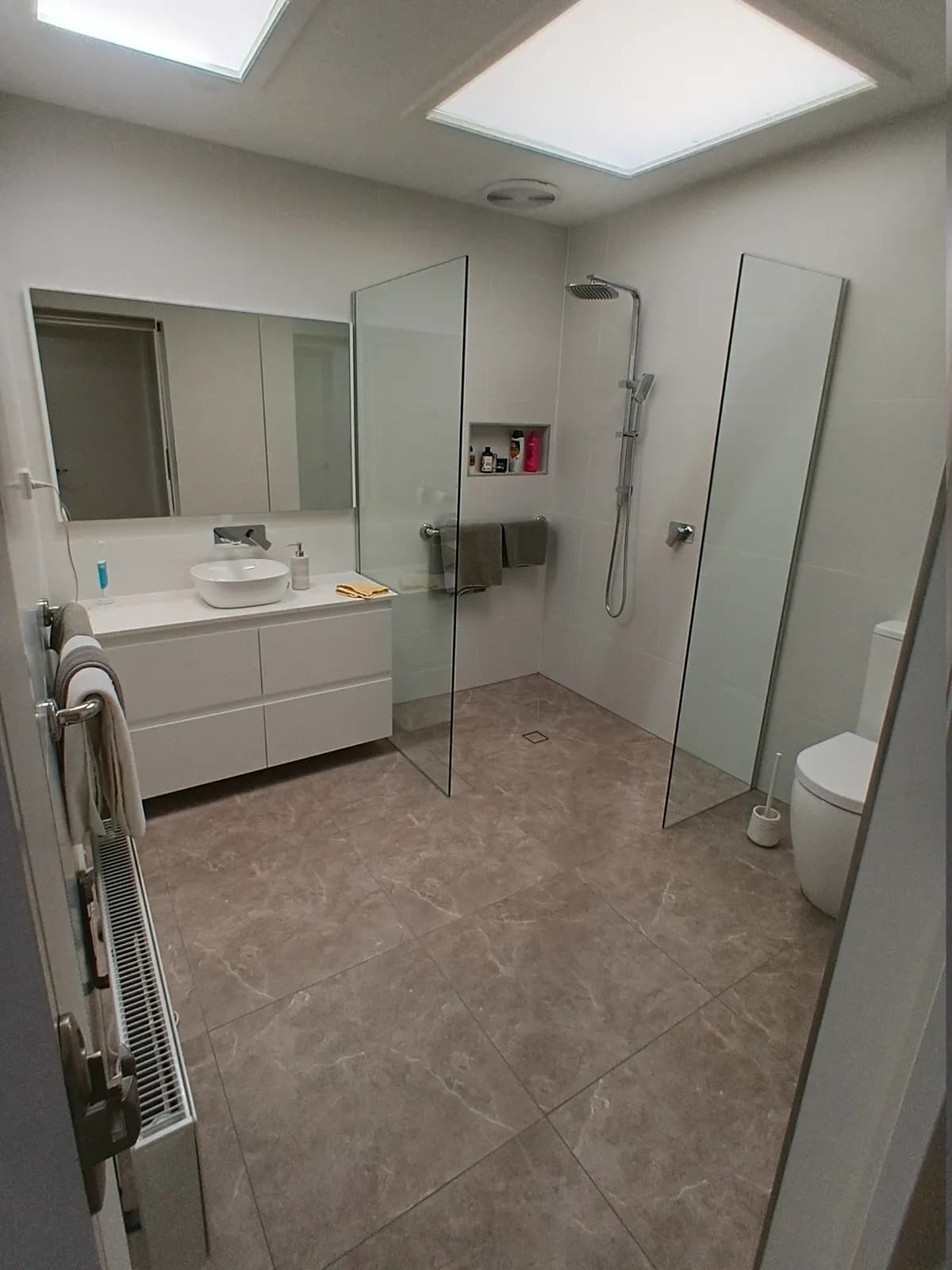
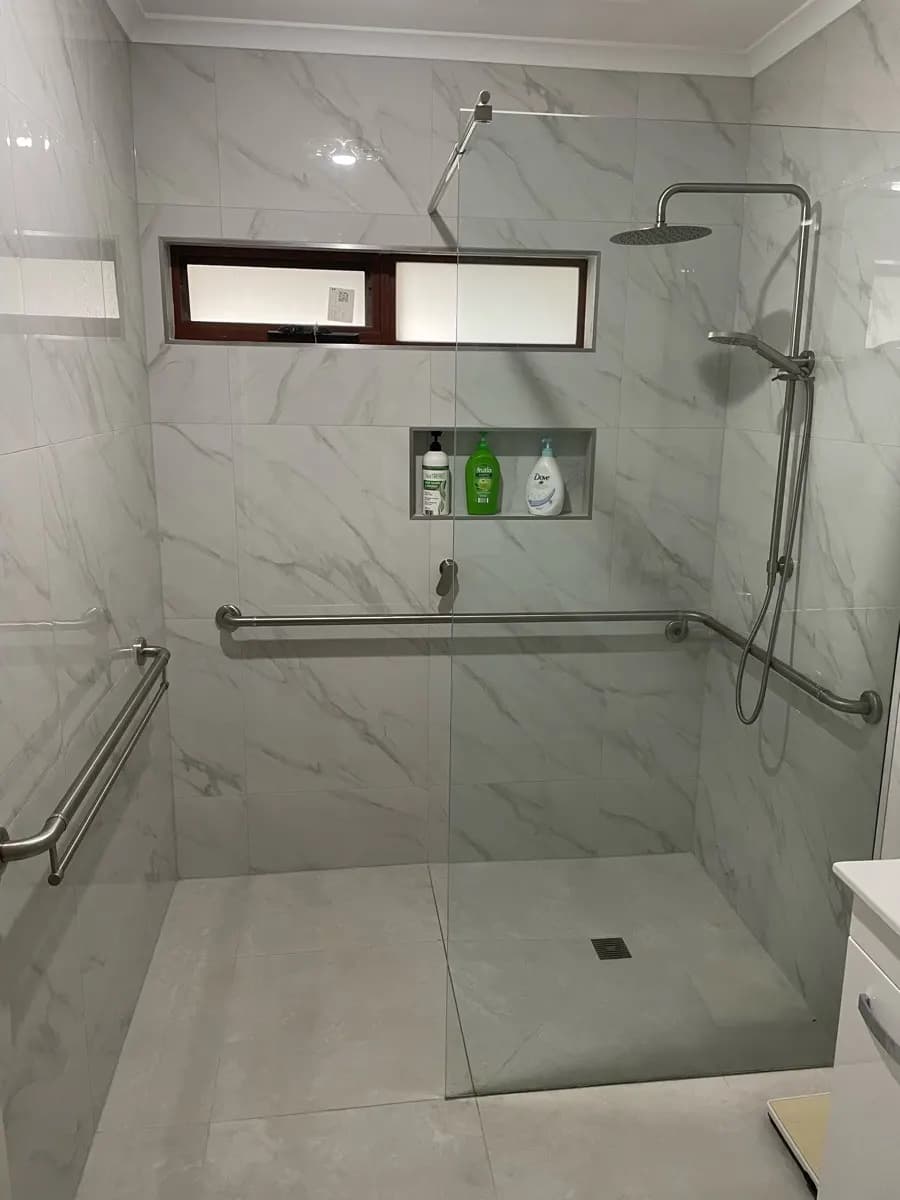
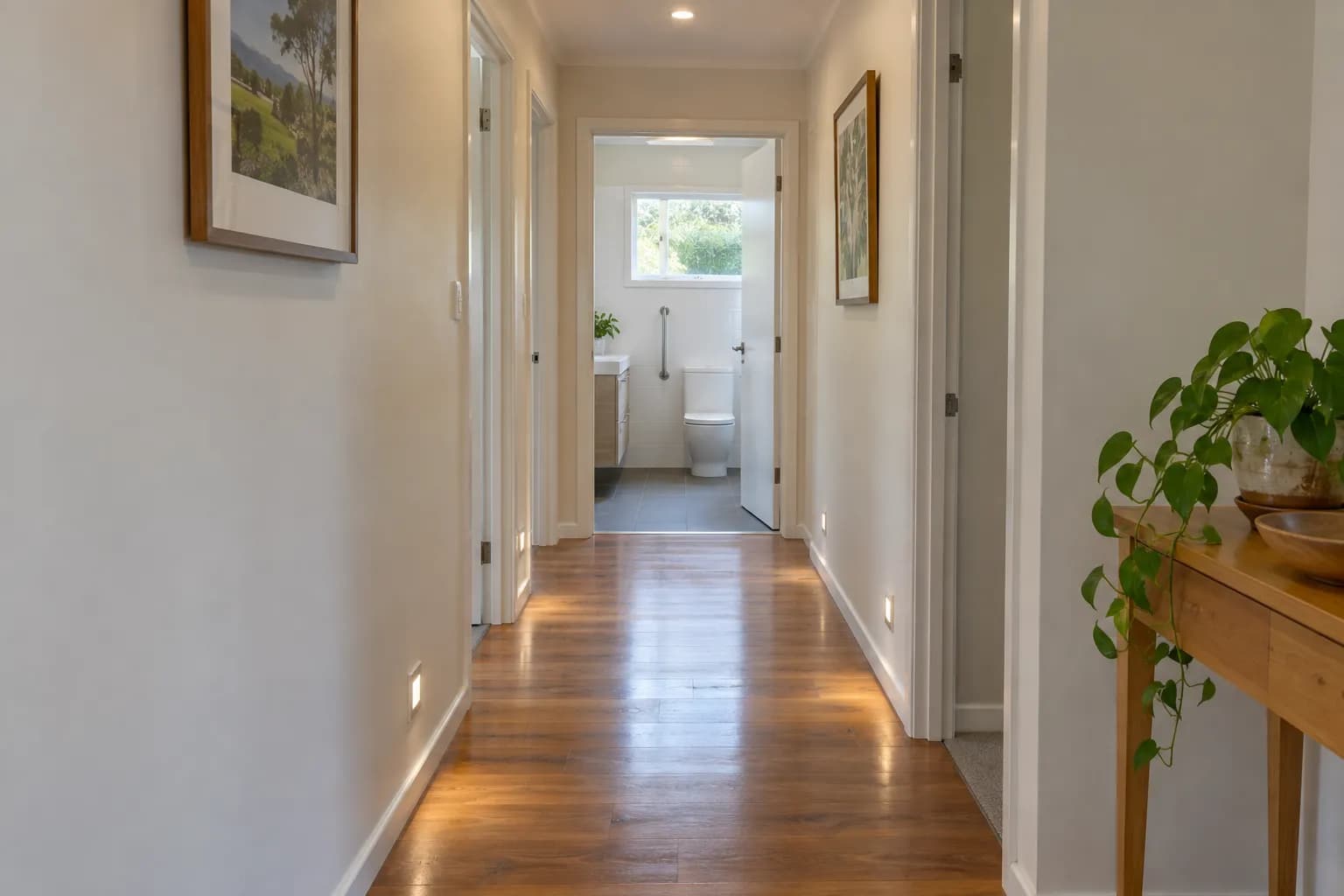
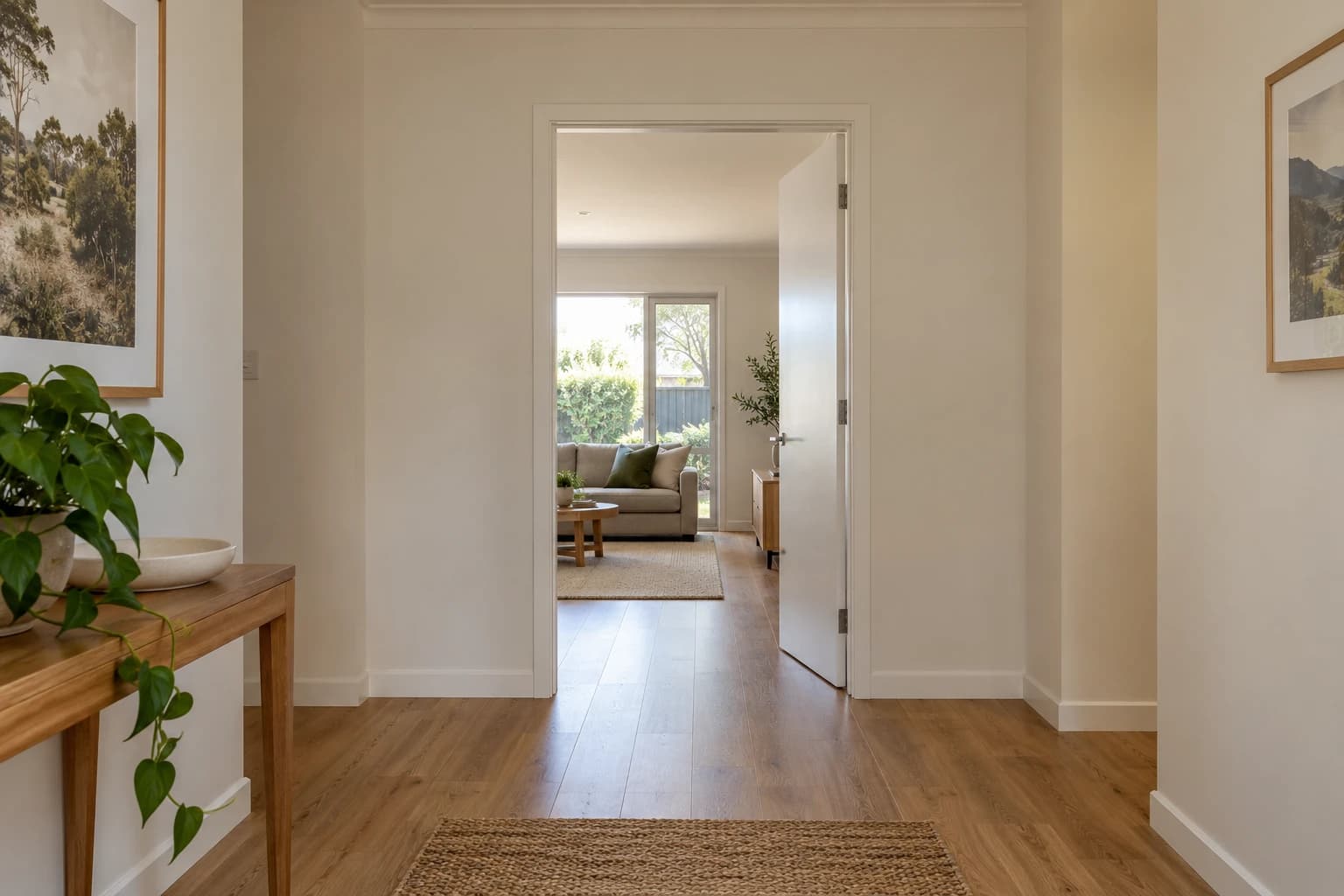
A completed accessible bathroom seen through its doorway, with grab rails and a level-access shower

The door opens inwards,and they are behind it.

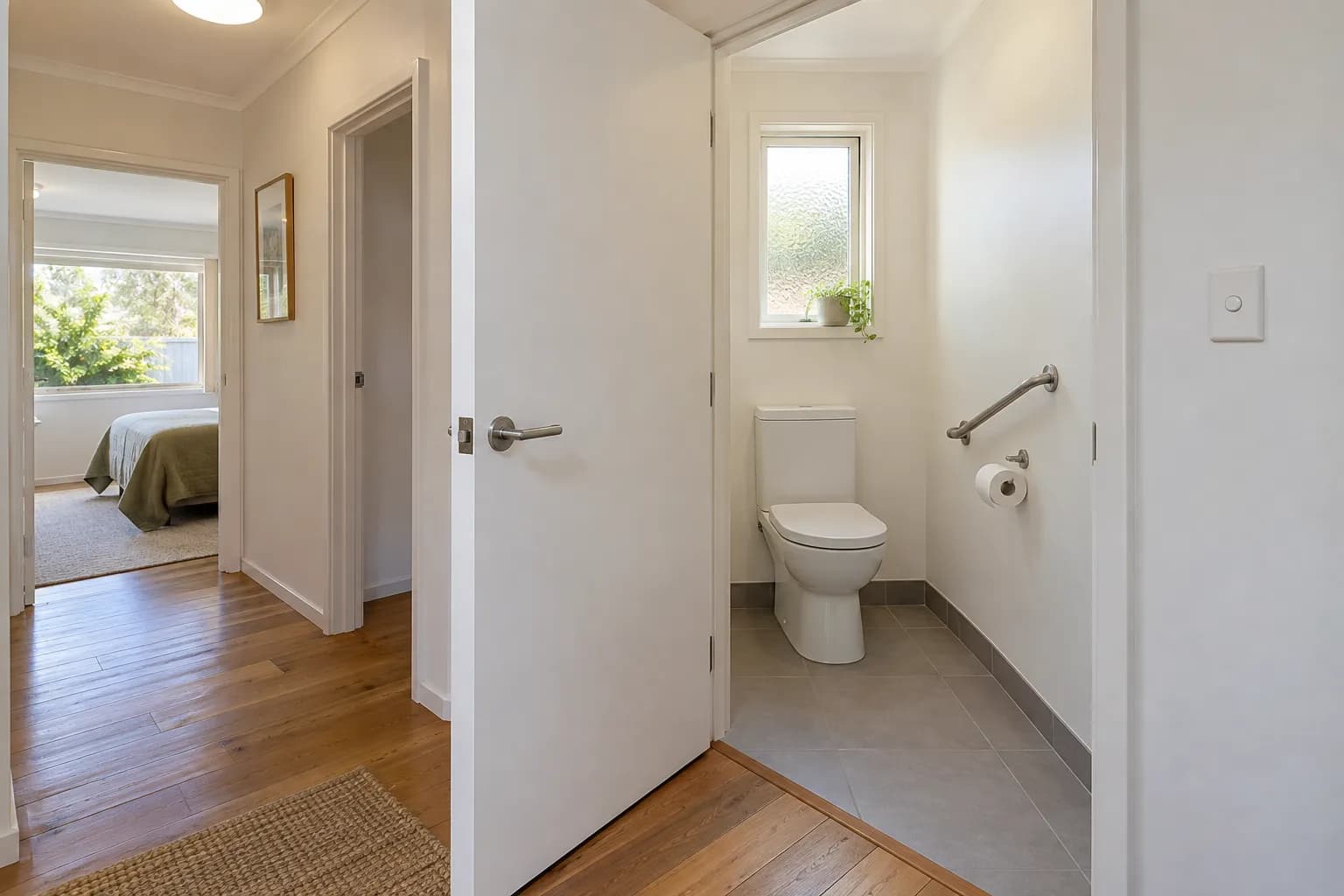
Almost every toilet and bathroom door in an Australian house opens inwards, because it saves space in the hallway. It is a sensible piece of design until the day somebody falls in there, because a person on the floor behind an inward-opening door is holding it shut with their own body.

What happens then is that the door comes off. Ambulance crews carry tools for it and they are good at it, but it costs minutes at the exact point minutes matter, and it means somebody is being worked on in a doorway rather than reached straight away.

Two kinds of hinge solve it, and both are a couple of hours of work on the door that is already hung. It is the cheapest item in our whole minor range and, if anybody in the house has fallen before, the one we would do first.

Book a free measure and quote

Emergency-readyhinge options.

Two mechanisms. Both let the door be got past from the outside; they differ in what happens to the door.

  • Safety hinges with an outside override

    The hinge pins are replaced so the door can be released and swung the other way from the hallway side. The door stays on and stays usable, so nothing has to be carried away or rehung afterwards. This is the version an occupational therapist most often specifies.

  • Lift-off hinges

    A two-part hinge that lets the whole door be lifted straight off its frame from outside. A handle is fitted on the hinge side and an instruction sticker goes on the door, so somebody who has never seen one can work it out in the moment. Simpler and usually cheaper, but the door then has to go somewhere.

Vital Ease at a glance

Projects completed
300+

Projects completed

Agreements with Home Care Package and NDIS providers
100+

Agreements with Home Care Package and NDIS providers

Valued customers
200+

Valued customers

  • NDIS — National Disability Insurance Scheme registered provider
  • State-wide Equipment Program approved supplier
  • Victorian Building Authority registered builder
  • Home Care Packages approved provider

Who we fitthese for.

  • Anyone living alone who has fallen before

    The clearest case for it. A fall in the bathroom is the commonest fall in the house, and it is the room with the door problem.

  • Households where a carer visits

    A carer who cannot get to somebody has to ring an ambulance and wait. A hinge turns that into thirty seconds.

  • Family arranging for a parent

    Often the reason people ring us. It is a small job that answers a specific fear, and it can be done without anyone moving out or changing anything visible.

  • Occupational therapists and case managers

    Frequently specified after a hospital discharge, alongside rails and a shower seat, and quoted in the same visit.

Before you book,two things to know.

  • The door and the frame will be altered

    Both types mean removing the existing hinges and cutting into the door or the jamb. Safety hinges also involve trimming the door stop and drilling into the frame. Some paint will be scored. We work to keep it neat, but the door will not look untouched.

  • A lift-off door is trimmed slightly

    It has to clear the frame as it lifts, so a small amount comes off the top or the edge. The fitter measures that on the day against your actual door rather than working to a standard figure.

  • If you rent, ask first — and expect to explain it

    This is permanent alteration to a door, so it needs the owner’s or the agent’s permission. Most agree once they understand it is a safety fitting, but it is not one to do quietly and sort out later.

  • A door reversal is the alternative

    Rehanging the door to open outwards solves the same problem with no hinge hardware at all. It is not always possible — a door swinging into a narrow hallway can be worse than the problem — but we will price both if your layout allows it.

Brochuresand guides.

The documents an occupational therapist or a plan manager usually asks us for. We are preparing these now — ring or email in the meantime and we will send what you need.

Product brochures

  • Safety hinges and lift-off hingesComing soon

Product guides

  • Lift-off hinge — emergency removal instructionsComing soon

Quote request requirements

  • Door hinges — what we need to quoteComing soon

How the jobactually runs.

  1. Quoting

    Quoted to the occupational therapist’s specification where there is one, with our recommendations alongside it. Funding is approved before we start.

  2. On-site consultation and installation

    The same tradesperson checks the door, the frame, and which way it can safely swing, agrees the approach with you, and fits the hinges on the spot. The door is back in use the same day.

  3. Warranty

    The work is carried out by licensed tradespeople and backed by the relevant warranties. If something is not right, ring the same number you rang the first time.

Or turn the dooraround instead.

Where the hallway has the room for it, rehanging the door to open outwards solves the same problem with no special hardware, and it gives the small room back the floor space the door was sweeping.

It is not always the better answer, and we will tell you which yours is at the visit.

See door reversal

Questions

What people ask aboutdoor hinges.

Frequently Asked Questions

Do you install Ross safety hinges?
That is the name most occupational therapists use for this type of hinge, and it is what usually appears in a report. Tell us what yours has specified — or send us the report — and we will quote the hinge that meets it. If nobody has specified anything, we will look at your door and recommend between an override hinge and a lift-off hinge on the visit.
Which type should I choose?
If you want the door to stay usable, the override type: it releases from outside and swings the other way, and afterwards everything is as it was. If you want the simplest and cheapest, lift-off: the door comes off entirely, which is fine in an emergency but means somebody is then holding a door. For a bathroom used by one person living alone, we usually recommend the override version.
Will it damage the door?
It alters it, and we would rather say so now. Both types mean removing the existing hinges and cutting into the door or the jamb, and safety hinges also involve trimming the door stop and drilling the frame. Some paint gets scored. We work neatly, but the door will not look untouched afterwards.
Can the door still be locked?
Yes. The hinge is on the opposite side to the lock and does not change how the door latches, so privacy in the bathroom is unaffected. That is the point of it — the door still locks normally, and it can still be got past from the outside if it has to be.
How long does fitting a safety hinge take?
A single visit, usually a couple of hours for one door, and the door is back in use the same day. If there are two doors — a bathroom and a separate toilet, which is common in older houses — they are done in the same visit.

Can’t see your question? Call us on +61 3 8658 1358 — we’re happy to talk it through.

Let us make your homework for you.

Ready to start your modification journey? Contact our team.

Ready to make your home safer and more accessible? Our team is here to help from your first consultation through to the final handover. Let’s talk about what’s possible for your home.

+61 3 8658 1358Contact us
Open
Mon–Fri: 9:00 AM – 5:00 PM
Serving
Melbourne & Sydney

Before you go

Still working outwhat your home needs?

A five-minute call is usually enough to tell you what is possible and roughly what it costs — no obligation, no pressure.