
An alarm that wakes you,a doorbell you notice.
Flashing lights, louder sounds, and a bed shaker. You notice the smoke alarm, the doorbell, and the phone, even if you are hard of hearing.
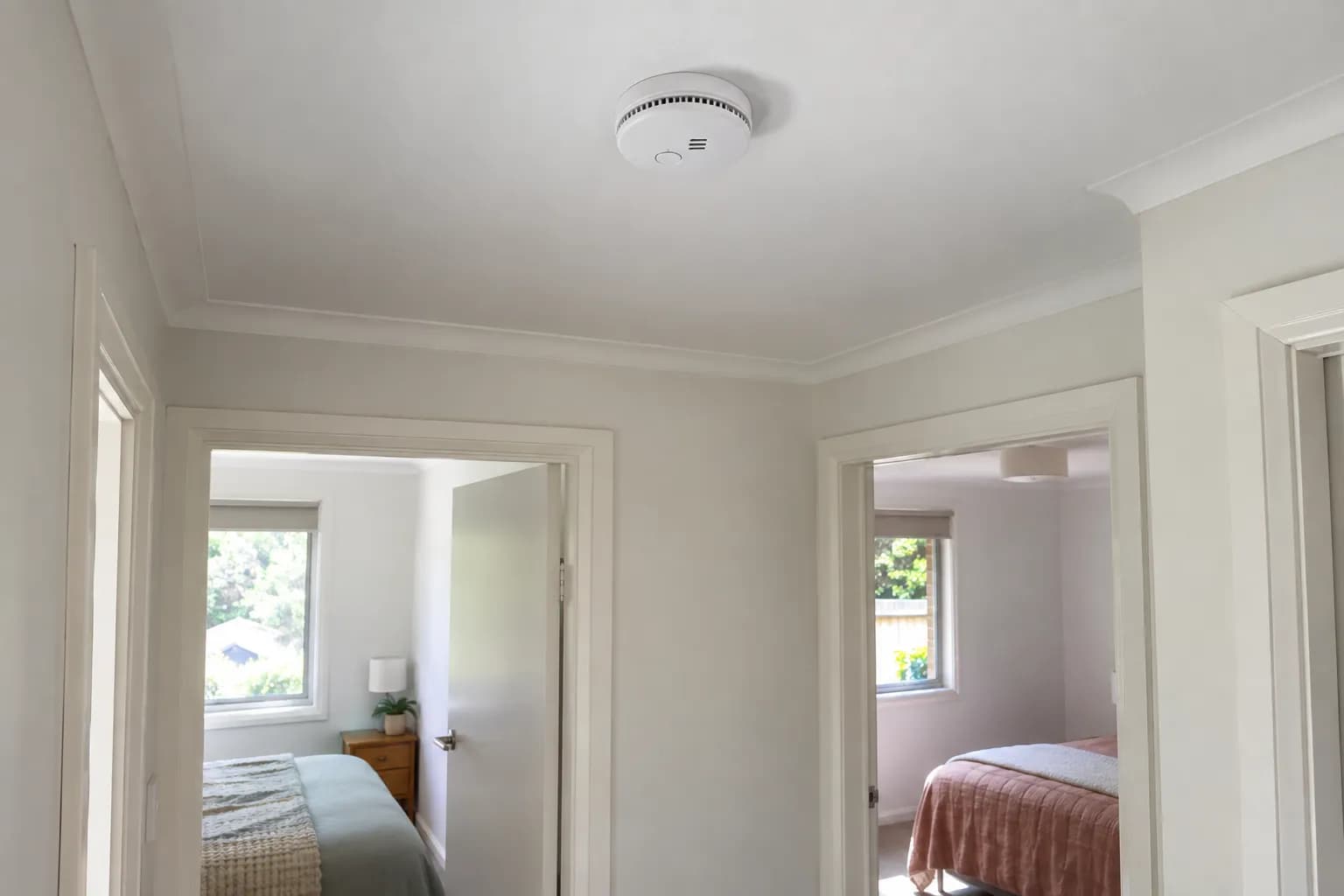
A smoke alarmmust wake you.
Every home must have working smoke alarms. But if you are deaf, hard of hearing, or a heavy sleeper, an ordinary alarm may not wake you.
It is the same with the doorbell and the phone. A carer is left waiting outside, or a call from the hospital is missed.
An alerting system adds a second signal: a flashing light, a much louder sound, or a shaker under your pillow.
What itcan do.
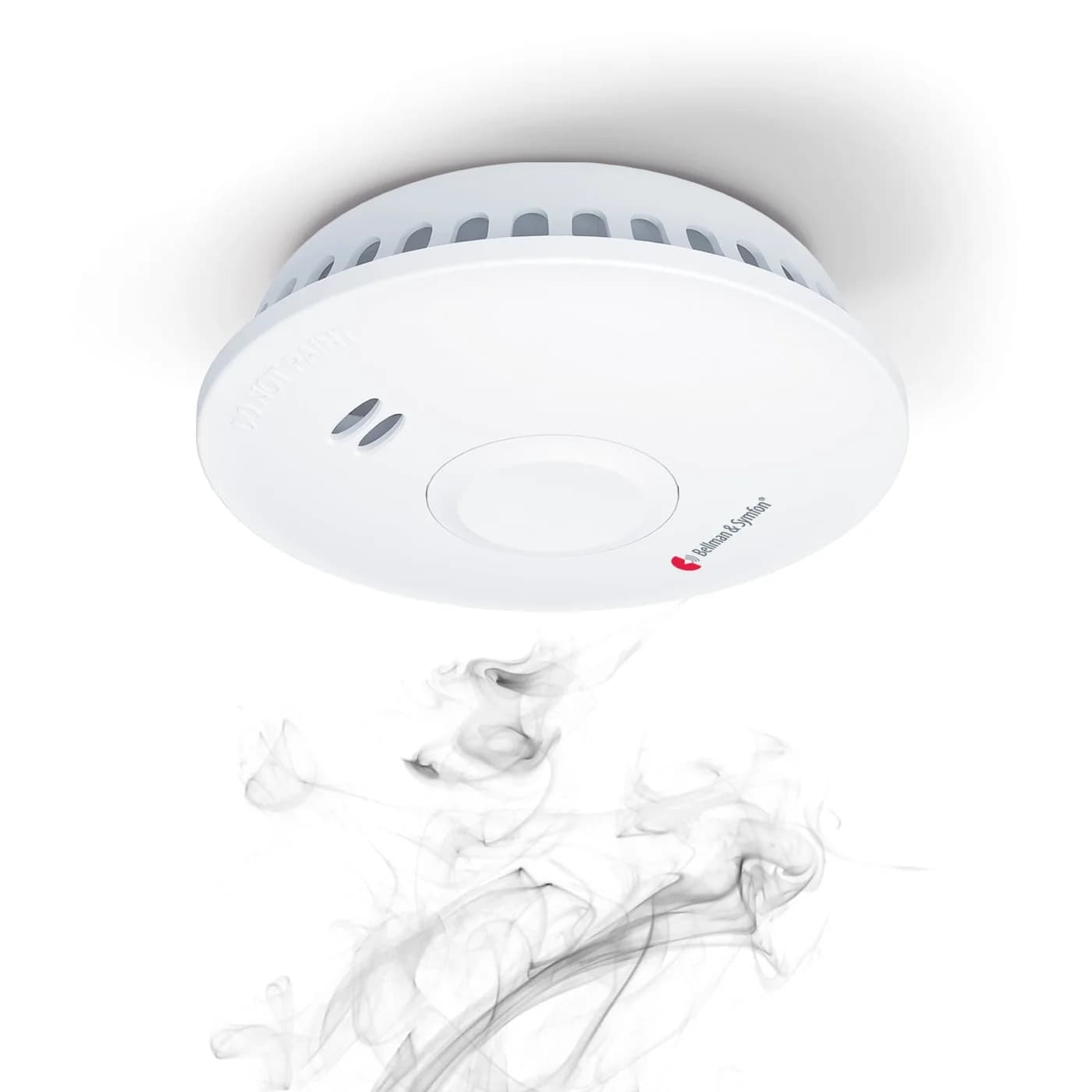
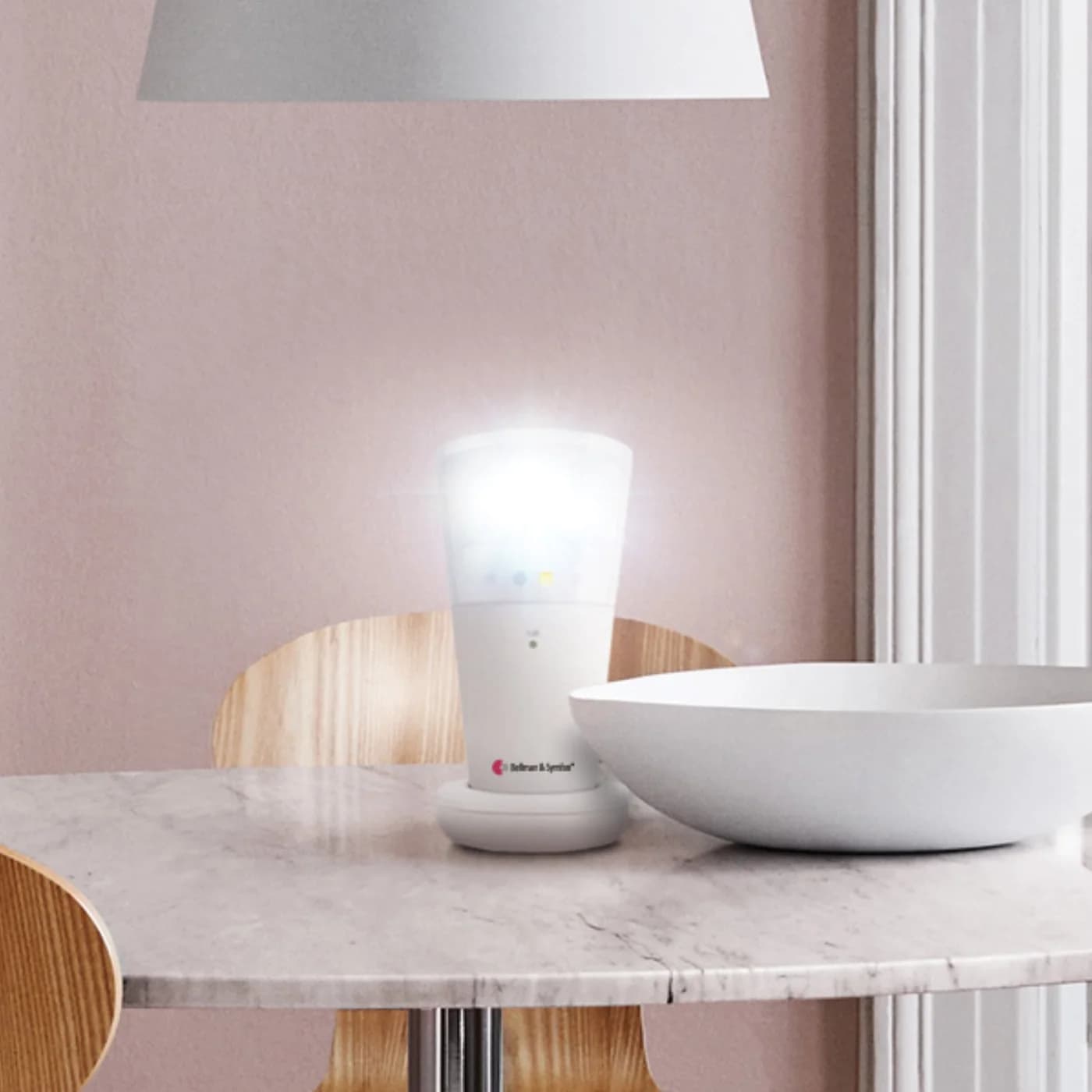
We supply and fit the Bellman range. Choose one to see the product.
A doorbell you notice
A much louder chime and a flashing light, on a receiver you can carry from room to room.
A smoke alarm that wakes you
A smoke alarm linked to a bedside alert that sounds, flashes, and shakes the bed.
Smoke in any room, sent to your bed
Smoke alarms in the kitchen and lounge that alert you in the bedroom.
Lights for each alert
A bright flash in a different colour for the door, the phone, and the smoke alarm.
A complete bedroom package
An alarm clock, a bed shaker, and a smoke alarm, ready to use together.
See the whole range
All our alerting aids in one place, and how they work together.
Vital Ease at a glance
- Projects completed
- 2,000+
Projects completed
- Agreements with Home Care Package and NDIS providers
- 250+
Agreements with Home Care Package and NDIS providers
- Valued customers
- 1,000+
Valued customers



How itworks.
Tell us who it is for
We ask about the hearing loss, the home, and which alerts matter most to you.
A clear, fixed quote
Set out so your NDIS plan, aged care package, or DVA funding can approve it easily.
Fitted and tested with you
We fit it, test every alert with you, and show you what each light means.
Who wehelp.
People who are deaf or hard of hearing
Alerts you can see or feel, not just hear.
Heavy sleepers
Including people whose medication makes them sleep deeply.
Mixed households
Where one person can hear the alarm and another can’t.
Families
Peace of mind that a parent will wake if there is a fire.
Not sure what you need? Call us for a free phone consultation, and we’ll talk you through the options. No obligation.
Questions
What people ask abouthome alerting systems.
Frequently Asked Questions
Who is a home alerting system for?
Does an alerting system replace my smoke alarms?
What happens to the system in a power cut?
Can an alerting system be added to over time?
Can’t see your question? Call us on +61 3 8658 1358 — we’re happy to talk it through.
More from Vital Ease
The rest of whatwe do.






Let us make your homework for you.
Ready to start your modification journey? Contact our team.
Ready to make your home safer and more accessible? Our team is here to help from your first consultation through to the final handover. Let’s talk about what’s possible for your home.