Skip to content

Mon–Fri: 9:00 AM – 5:00 PM

Vital Ease — home modification and maintenance solutions

A door that stays openso your hands are free.

Magnetic catches that hold a swing door where you put it — fitted to the door, the wall, the floor, or a post where there is no wall to use.

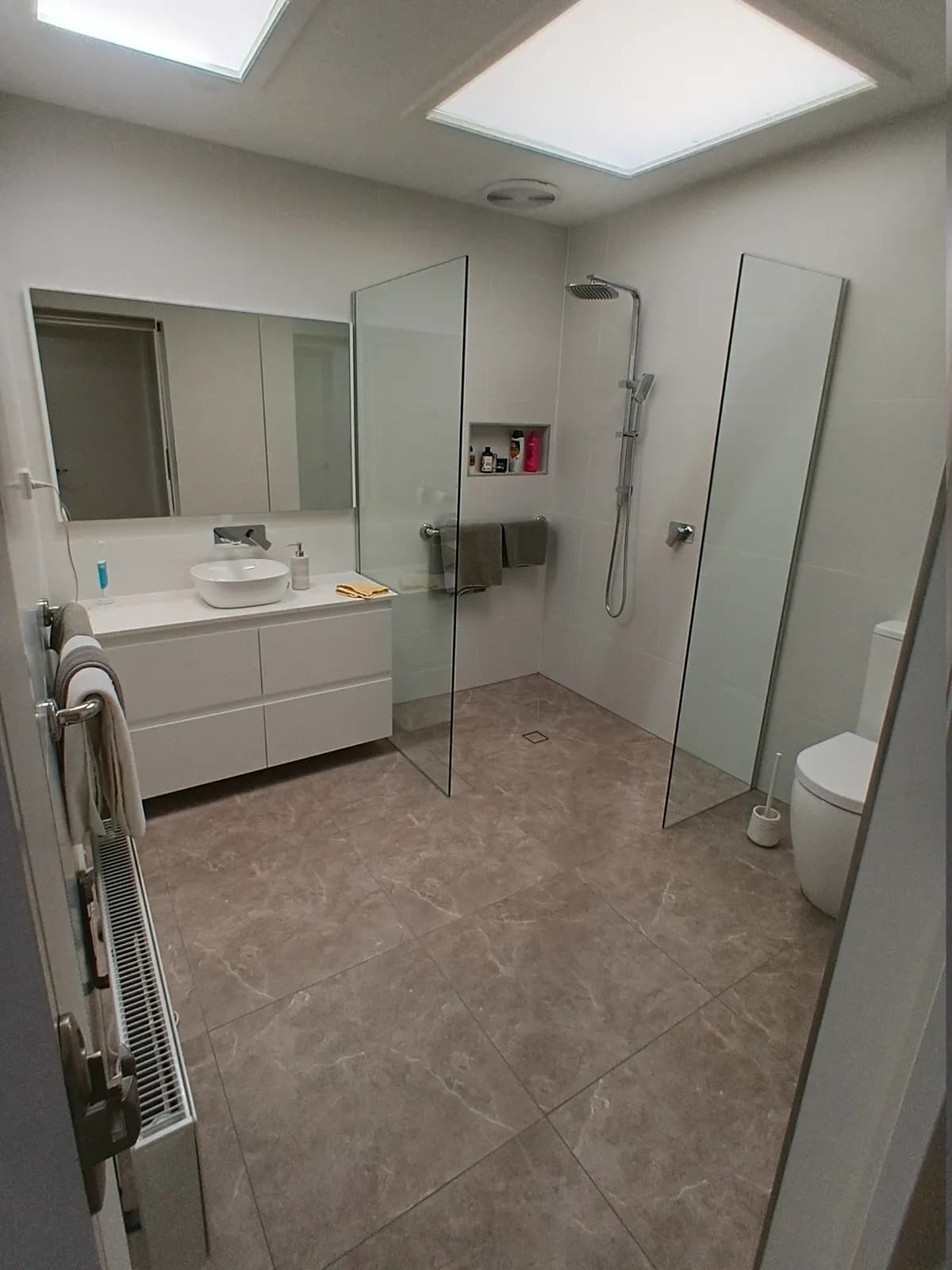
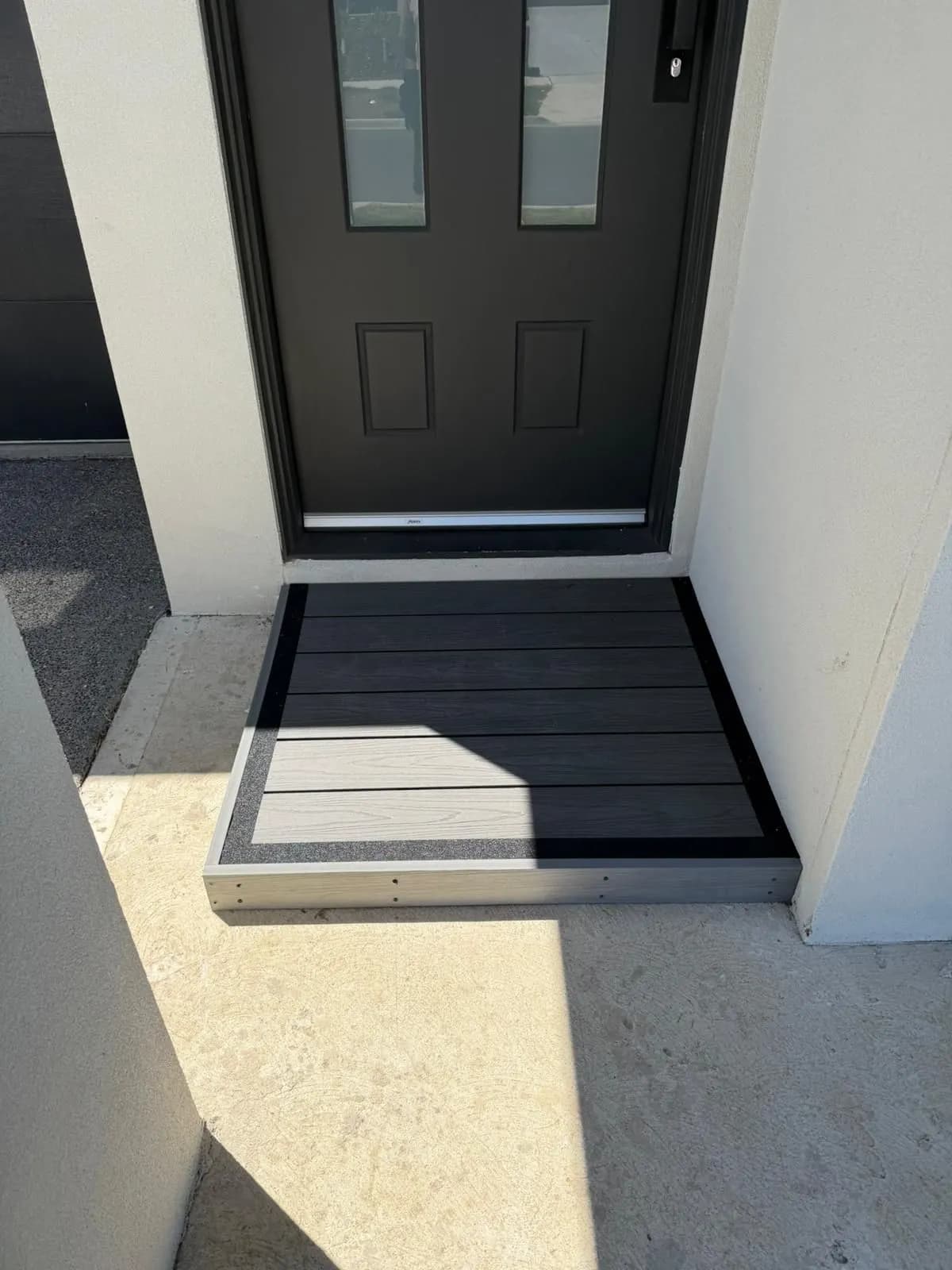
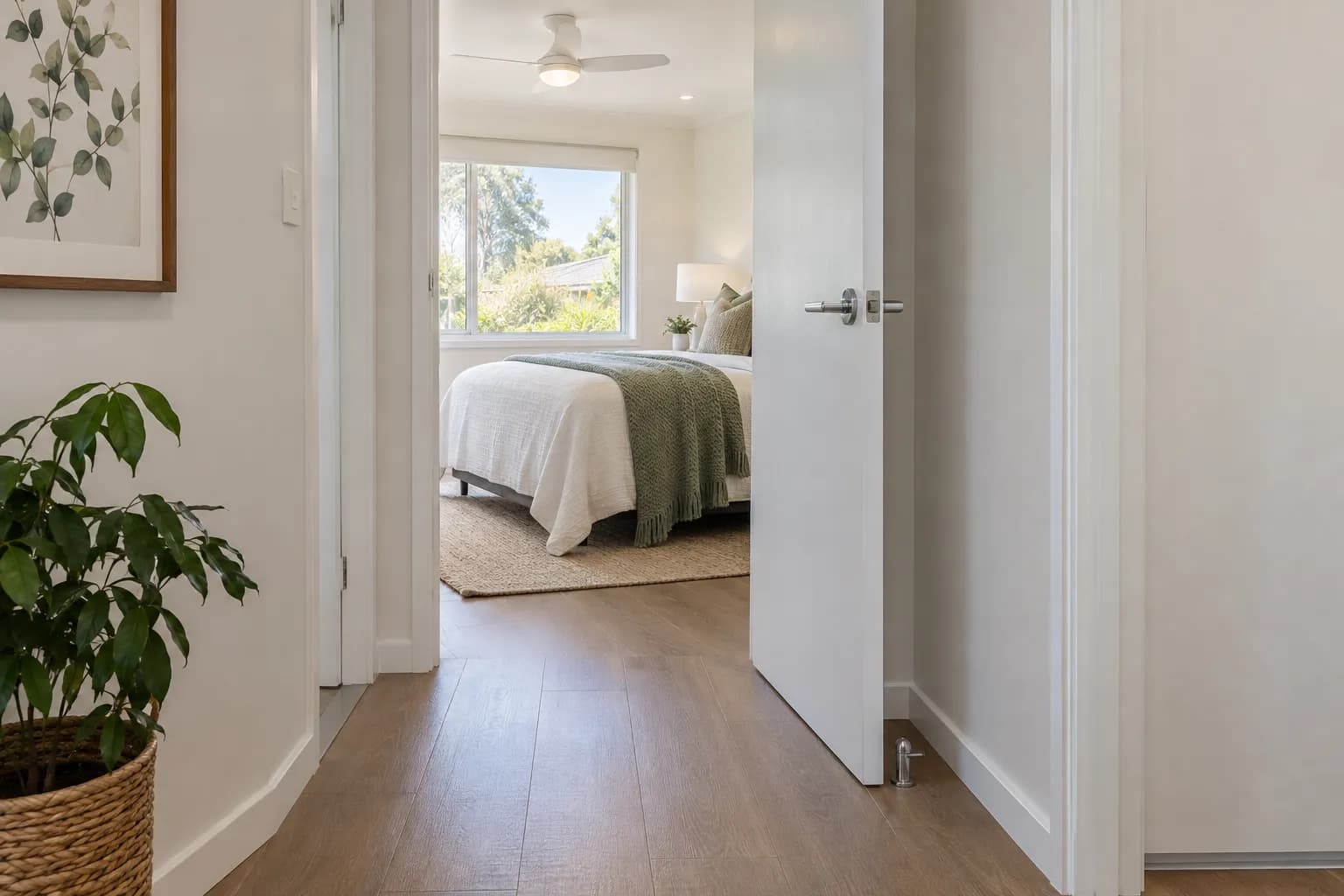
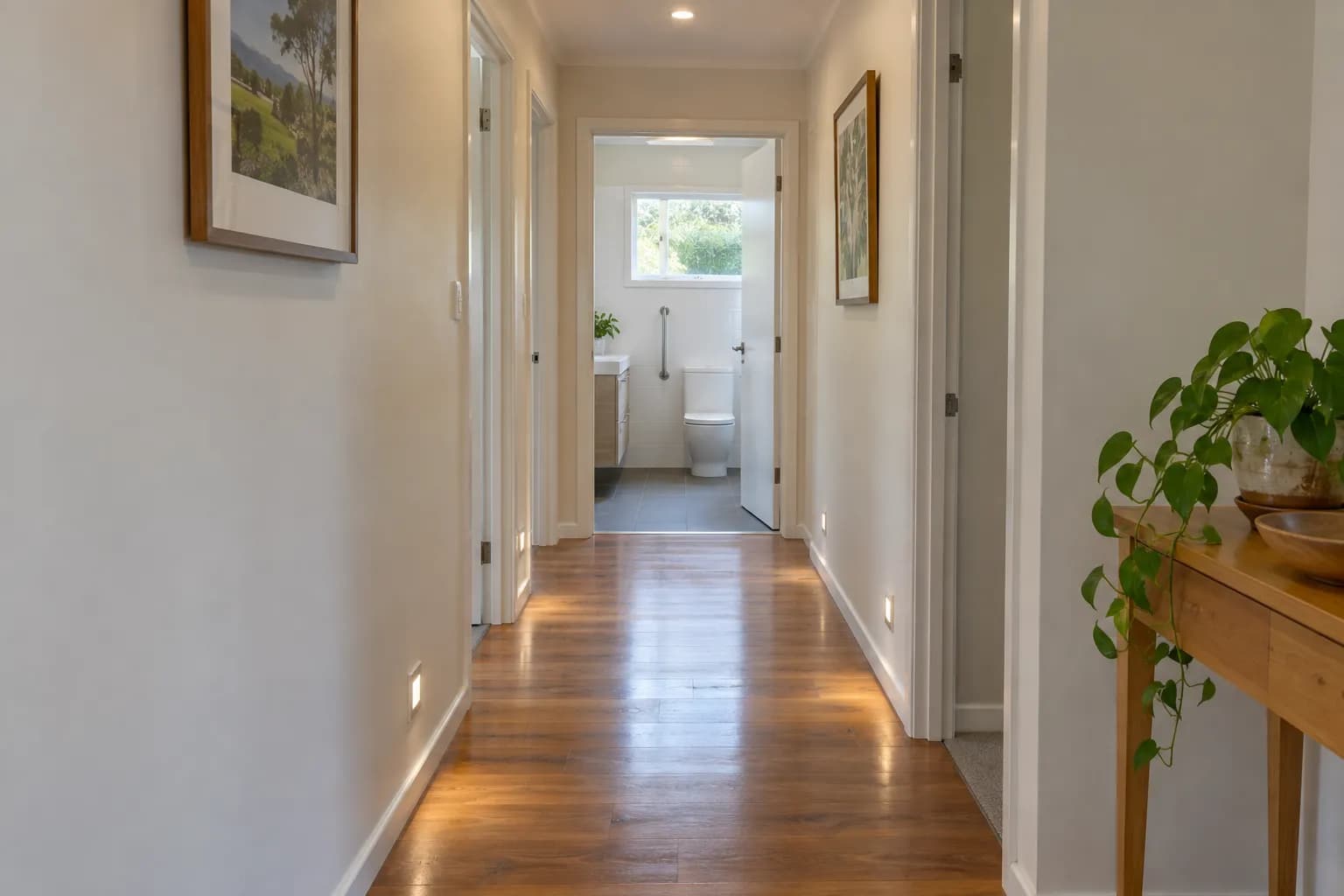
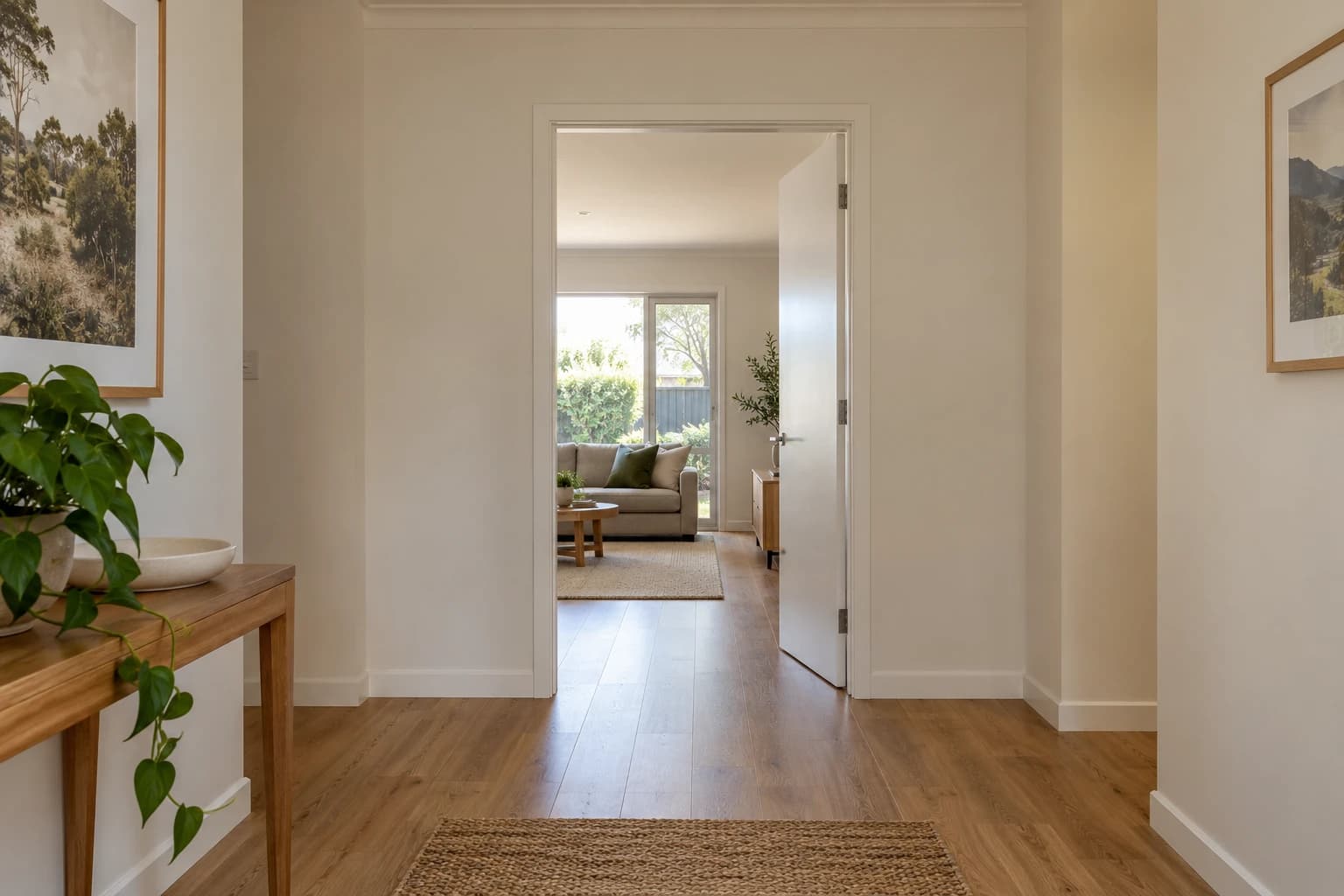
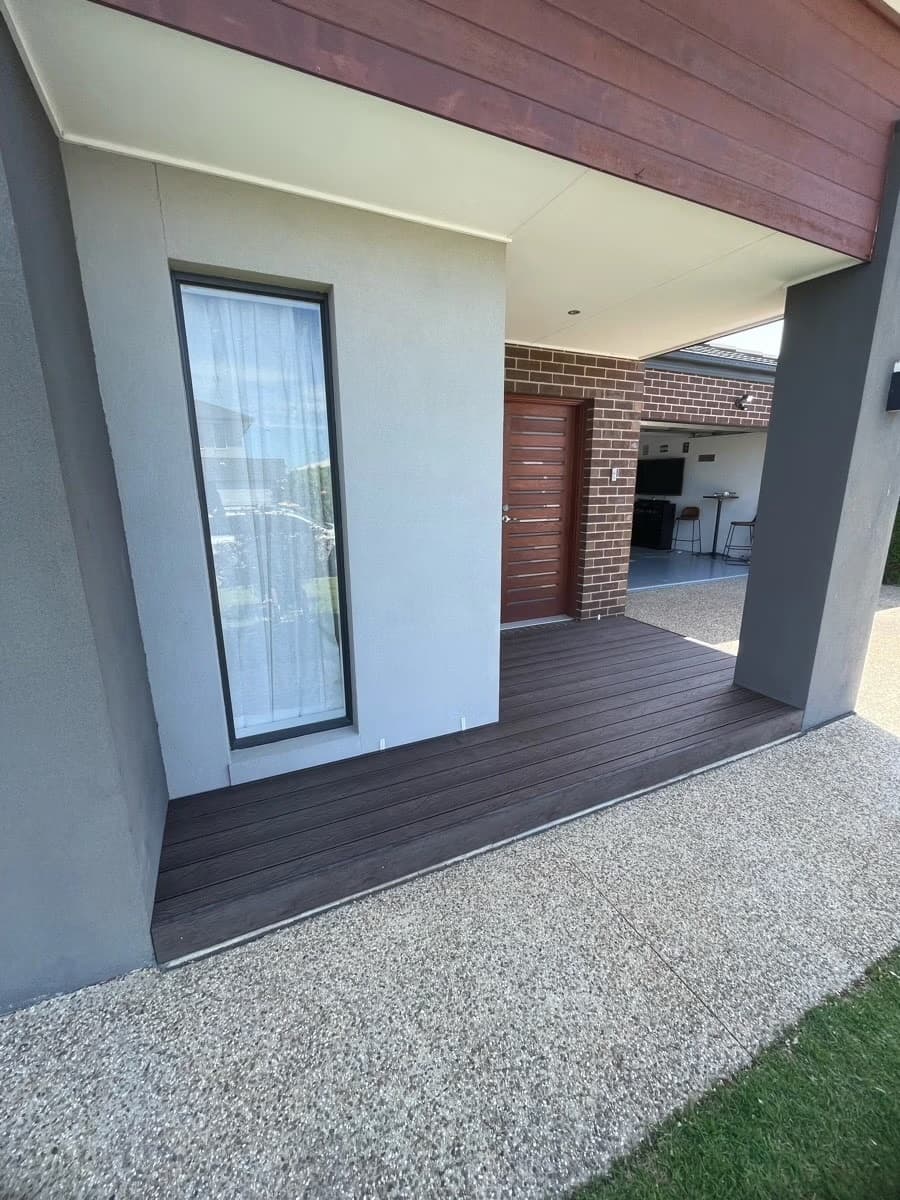
A doorway with a levelled approach, seen from inside a Melbourne home

You cannot hold a doorand a walking frame.

It is a small problem that happens ten times a day. A swing door will not stay where it is put, so somebody going through it with a frame, a tray, a laundry basket, or a walking stick has to hold the door with one hand and manage everything else with the other.

What people do instead is prop it — with a shoe, a doorstop wedge, a chair. All of those are trip hazards sitting on the floor exactly where the person is about to walk, which turns a nuisance into a fall risk.

A magnetic catch holds the door back against the wall until it is pushed off, with nothing on the floor and nothing to remember. It costs very little and it is one of the changes people notice most, because it happens every single time they use the door.
Book a free measure and quote

Mountingoptions.

Where the catch fixes is decided by what is behind the door when it is fully open — which is often nothing at all.

  • Direct to the wall

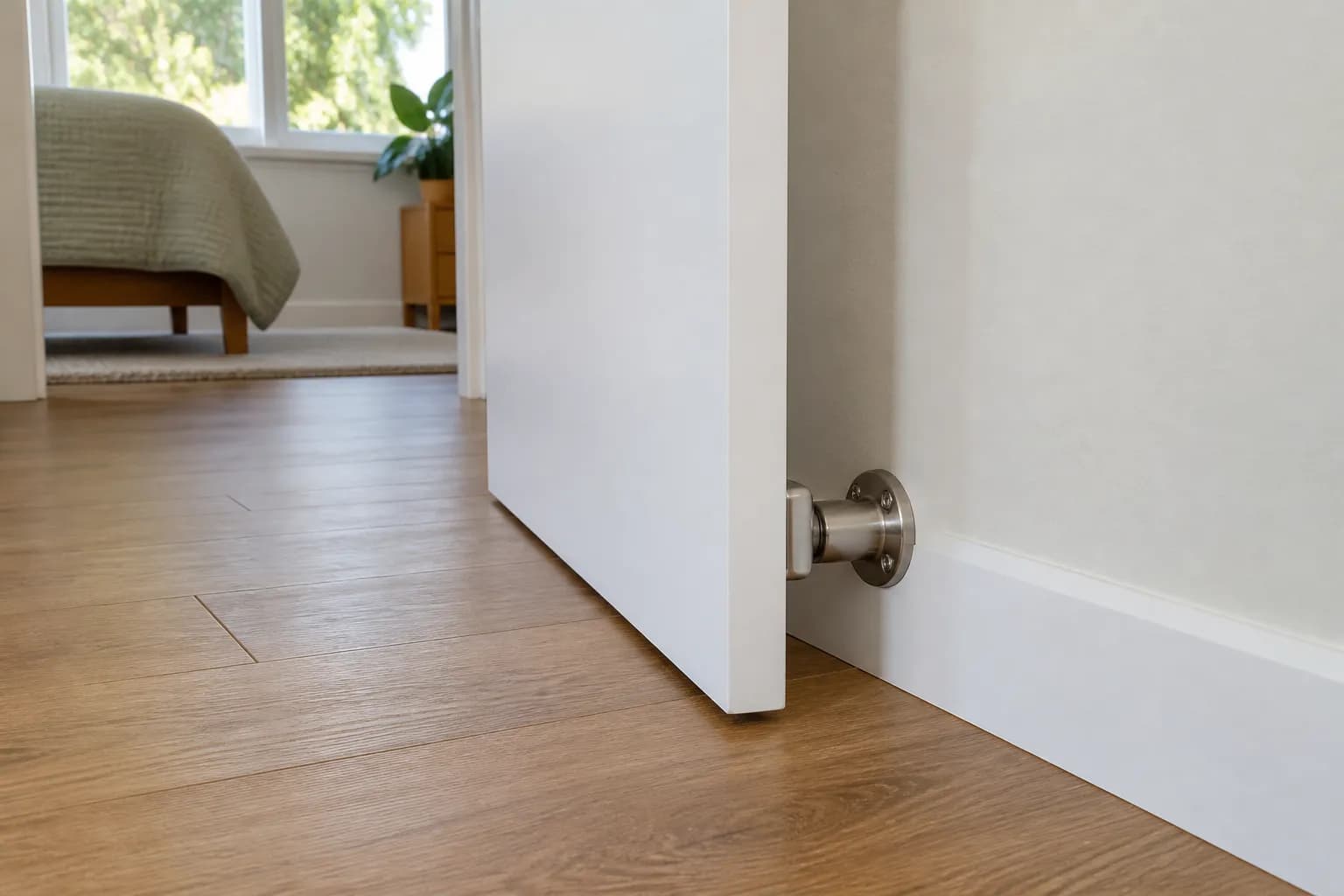
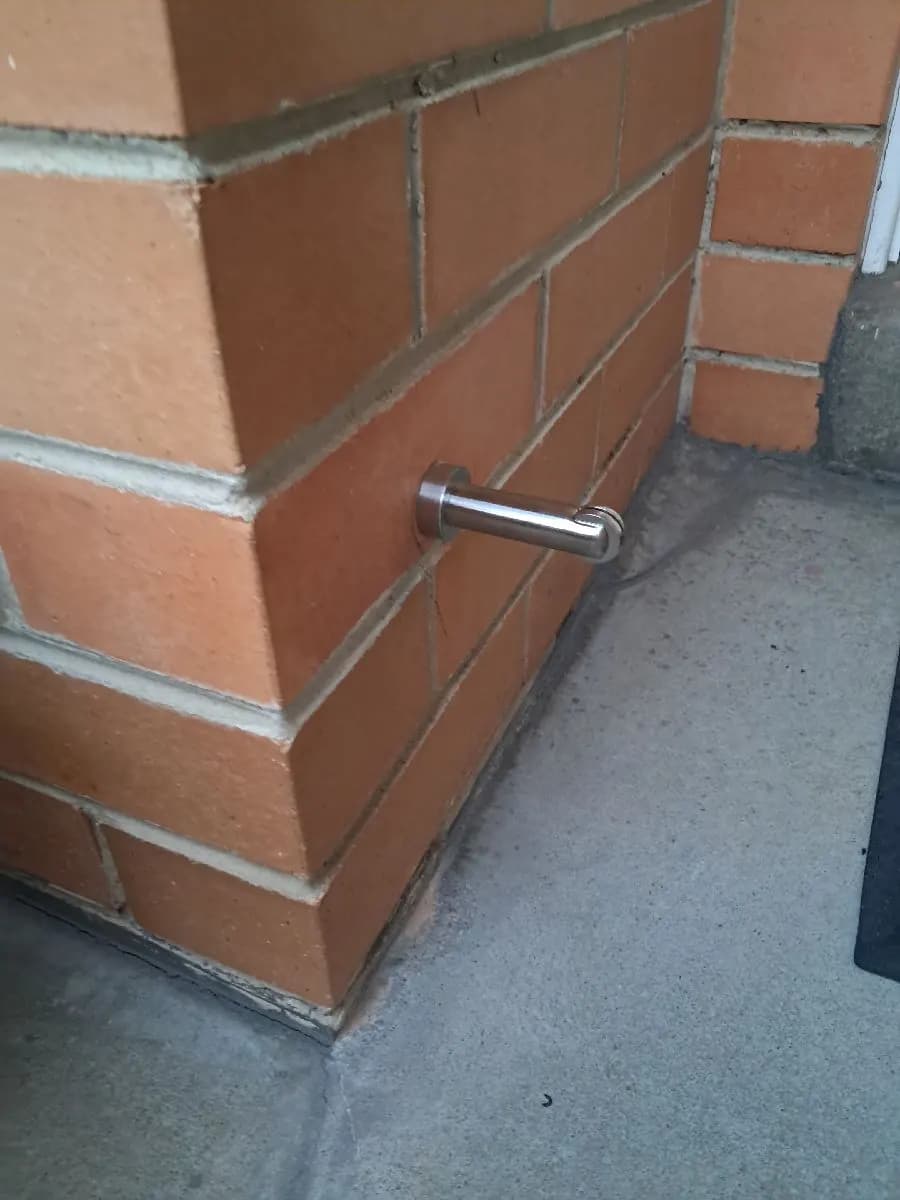
    The simplest and neatest, where the door swings back flat against a wall. Nothing stands proud of the skirting and there is nothing on the floor.

  • Floor or ceiling mounted

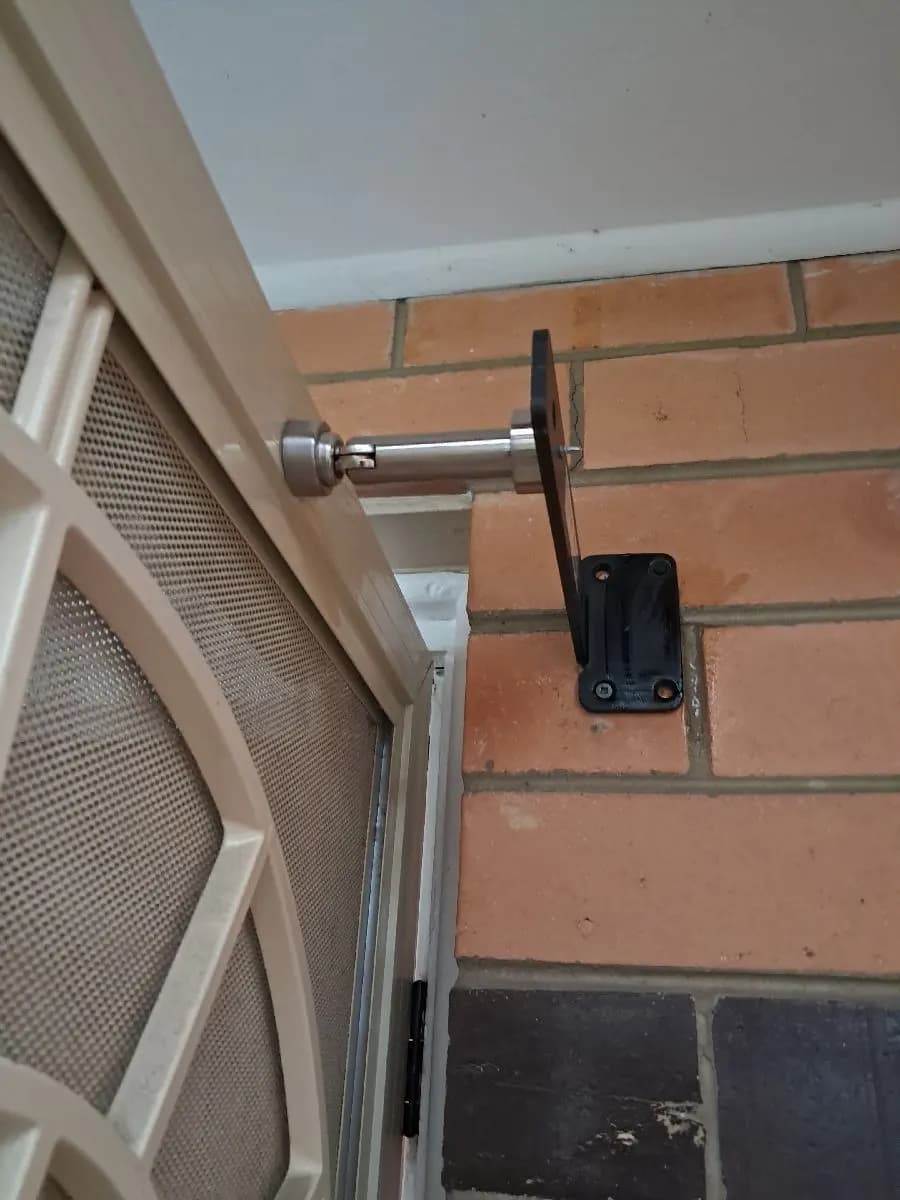
    For a door that opens against a window, a radiator, or a run of joinery where a wall fixing is not available. The ceiling version keeps the floor completely clear, which is the priority in a walking route.

  • On a post, where there is no wall

    A short stainless post that stands where the wall would have been. Available in straight and side-mounted versions, and in an offset shape for a door that swings past its own frame, so there is an answer for most awkward layouts.

  • Three strengths, for three weights of door

    A light internal door, a solid-core door, and a heavy external or fire door need different holding force. Too weak and it does not hold; too strong and the person cannot push it off again — which matters more, and is why we match it on site.

Vital Ease at a glance

Projects completed
300+

Projects completed

Agreements with Home Care Package and NDIS providers
100+

Agreements with Home Care Package and NDIS providers

Valued customers
200+

Valued customers

  • NDIS — National Disability Insurance Scheme registered provider
  • State-wide Equipment Program approved supplier
  • Victorian Building Authority registered builder
  • Home Care Packages approved provider

Who we fitthese for.

  • Anyone using a walker, frame, or stick

    The main case. Both hands are needed for the aid, so the door has to look after itself.

  • People carrying things between rooms

    Laundry, a tray, shopping. The doors between the kitchen, the laundry, and the back step are the ones most often asked for.

  • Carers assisting through doorways

    Manoeuvring a person and a door at once is how carers get hurt. Fixing the door removes half the problem.

  • Households using wedges and props

    If there is a shoe holding a door open somewhere in the house, that is the door this is for — and the shoe is a trip hazard in a walking route.

Before you book,two things to know.

  • It is fixed work, and it means drilling

    The catch is screwed to the door and to the wall, floor, ceiling, or post. A stick-on version would not hold a door and would come away in a month.

  • A post needs a footing or a solid fix

    Where there is no wall, the post has to be fixed into something that will not move when the door pulls against it. We check what is underfoot before quoting a post.

  • If you rent, ask first

    You will need the owner’s or the agent’s permission. It is a small fixing and most agents agree readily, but it does put screws into a door.

  • The release force is set to the person

    A catch strong enough to hold a heavy door can be too strong for the person to pull off it. We match the magnet to the door AND to who is using it, which is why it is fitted on a visit rather than posted out.

Brochuresand guides.

The documents an occupational therapist or a plan manager usually asks us for. We are preparing these now — ring or email in the meantime and we will send what you need.

Product brochures

  • Door magnets and postsComing soon

Quote request requirements

  • Door magnets — what we need to quoteComing soon

How the jobactually runs.

  1. Quoting

    Quoted to the occupational therapist’s specification where there is one, with our recommendations alongside it. Funding is approved before we start.

  2. On-site consultation and installation

    The same tradesperson checks where the door lands when fully open, chooses the mounting and the strength with you, and fits it on the spot.

  3. Warranty

    The work is carried out by licensed tradespeople and backed by the relevant warranties. If something is not right, ring the same number you rang the first time.

Holding it open ishalf the problem.

A magnet keeps the door out of the way. Getting it closed again from a seated position, or without turning around, is the other half — and that is what a pull strap is for.

The two are usually fitted on the same visit.

See door pull straps

Questions

What people ask aboutdoor magnets.

Frequently Asked Questions

Will it work if the door does not swing back to a wall?
Yes. Where the door opens against a window, joinery, or nothing at all, the catch goes on a short stainless post that stands where a wall would have been, or is mounted to the floor or ceiling. The ceiling version is the one we suggest in a walking route, because it leaves the floor completely clear.
Can it be pushed off easily enough?
That is the thing we actually match on the visit, and it matters more than holding strength. A magnet strong enough for a heavy solid-core door can be too strong for someone with limited arm strength to break free, so we fit it to the door and to the person using it rather than to a catalogue number.
Is there a version that does not need drilling?
Not one that works. Adhesive doorstops exist and they come away within weeks, because a door swinging into a catch puts a surprising load on it. If nothing can be fixed, a floor wedge is the honest alternative — but it sits in the walking route, which is the problem we are usually solving.
Does the catch mark the door?
It puts a small plate on the door face and screws it in. That is permanent, and if the catch is later removed there will be screw holes to fill. Most people fit them to internal doors where that is not a concern, but it is worth knowing before it goes on a good front door.
Can you do several doors at once?
Yes, and it is usually cheaper to do so — the visit is most of the cost. People commonly ask for the bathroom, the bedroom, and the door out to the laundry or the back step, which are the three used most with hands full.

Can’t see your question? Call us on +61 3 8658 1358 — we’re happy to talk it through.

Let us make your homework for you.

Ready to start your modification journey? Contact our team.

Ready to make your home safer and more accessible? Our team is here to help from your first consultation through to the final handover. Let’s talk about what’s possible for your home.

+61 3 8658 1358Contact us
Open
Mon–Fri: 9:00 AM – 5:00 PM
Serving
Melbourne & Sydney

Before you go

Still working outwhat your home needs?

A five-minute call is usually enough to tell you what is possible and roughly what it costs — no obligation, no pressure.