
A safer shower, withoutrebuilding the room.
Small changes that make the shower you already have safe to use. Measured and quoted on site across Victoria and New South Wales.
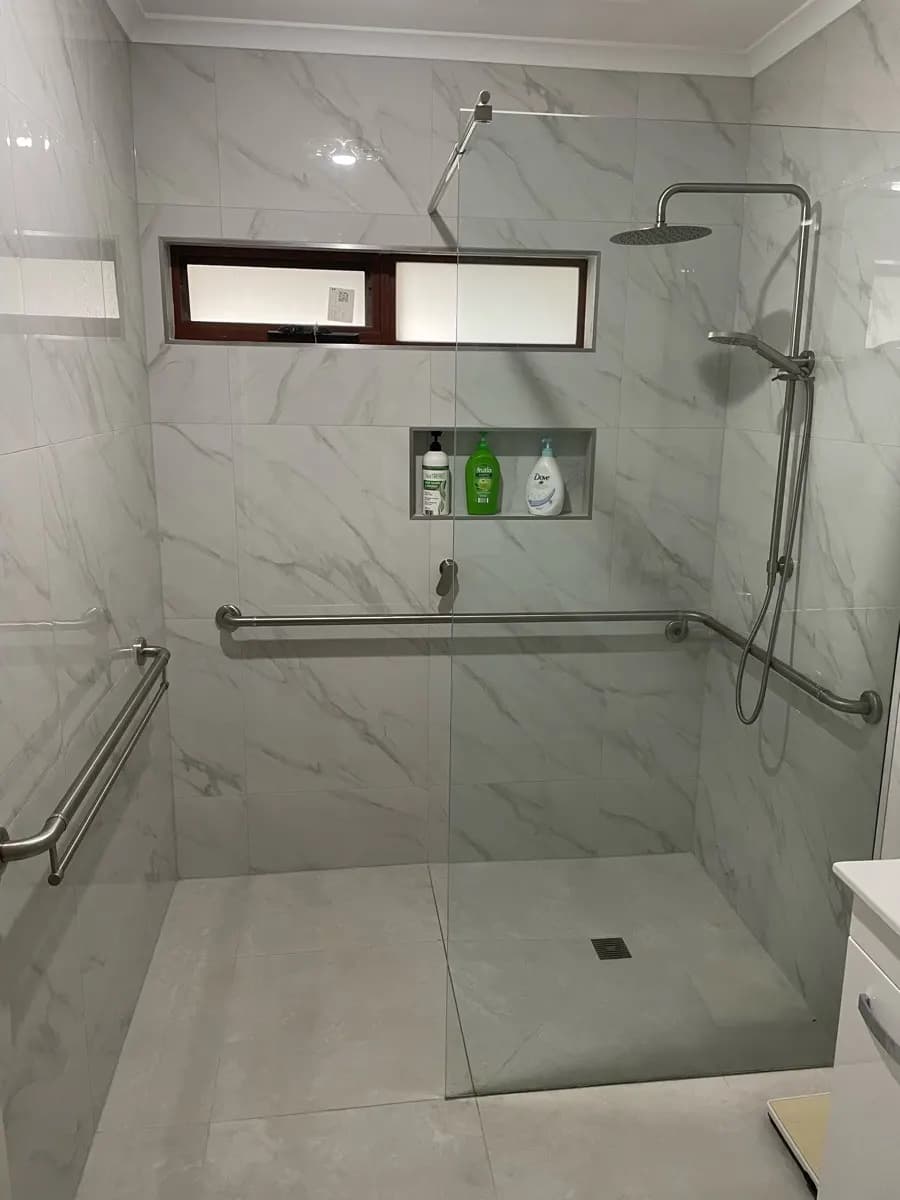
The shower is wherepeople fall.
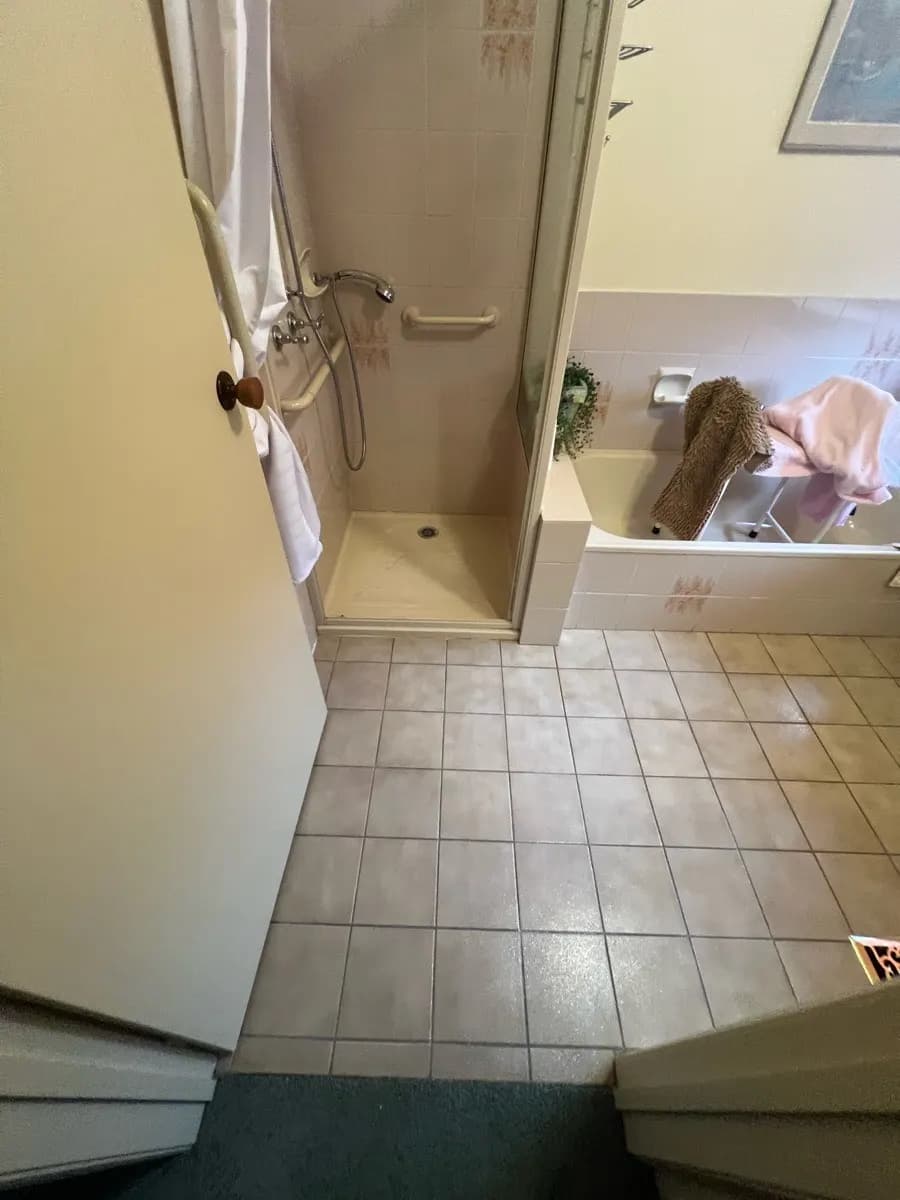
The floor is wet, your feet are bare, and you are turning and reaching at the same time. Many of the falls we hear about happen in or next to the shower.
The good news is that most showers can be made safe without rebuilding the room. A rail, a seat, a hand shower, or a lower entry can make a big difference. Most of it is done in one or two visits.
Which changedo you need?
Most showers need two or three of these. Choose one to find out more.
Grab rails
Something firm to hold as you step in, wash, and step out.
Shower seats
A seat that folds down when you need it and up out of the way when you don’t.
Hand showers
A shower head on a hose, so you can shower sitting down, or a carer can help.
Shower base inserts
A raised base that sits on your shower floor and takes away the step in. It lifts out again.
Shower curtains and tracks
A curtain instead of a glass door, so the shower opens wide for a chair or a carer.
Other bathroom parts
Hooks, holders, baskets, and brackets, placed where you can reach them from a seat.
Vital Ease at a glance
- Projects completed
- 2,000+
Projects completed
- Agreements with Home Care Package and NDIS providers
- 250+
Agreements with Home Care Package and NDIS providers
- Valued customers
- 1,000+
Valued customers

We start withhow you shower.
Every shower, and every person, is different. On the visit, we watch how you get in, where you reach, and whether you shower sitting or standing.
Then we suggest the two or three changes that will help most, and nothing you don’t need. Rails and seats are fixed into the solid wall behind the tiles, never into the tiles alone.
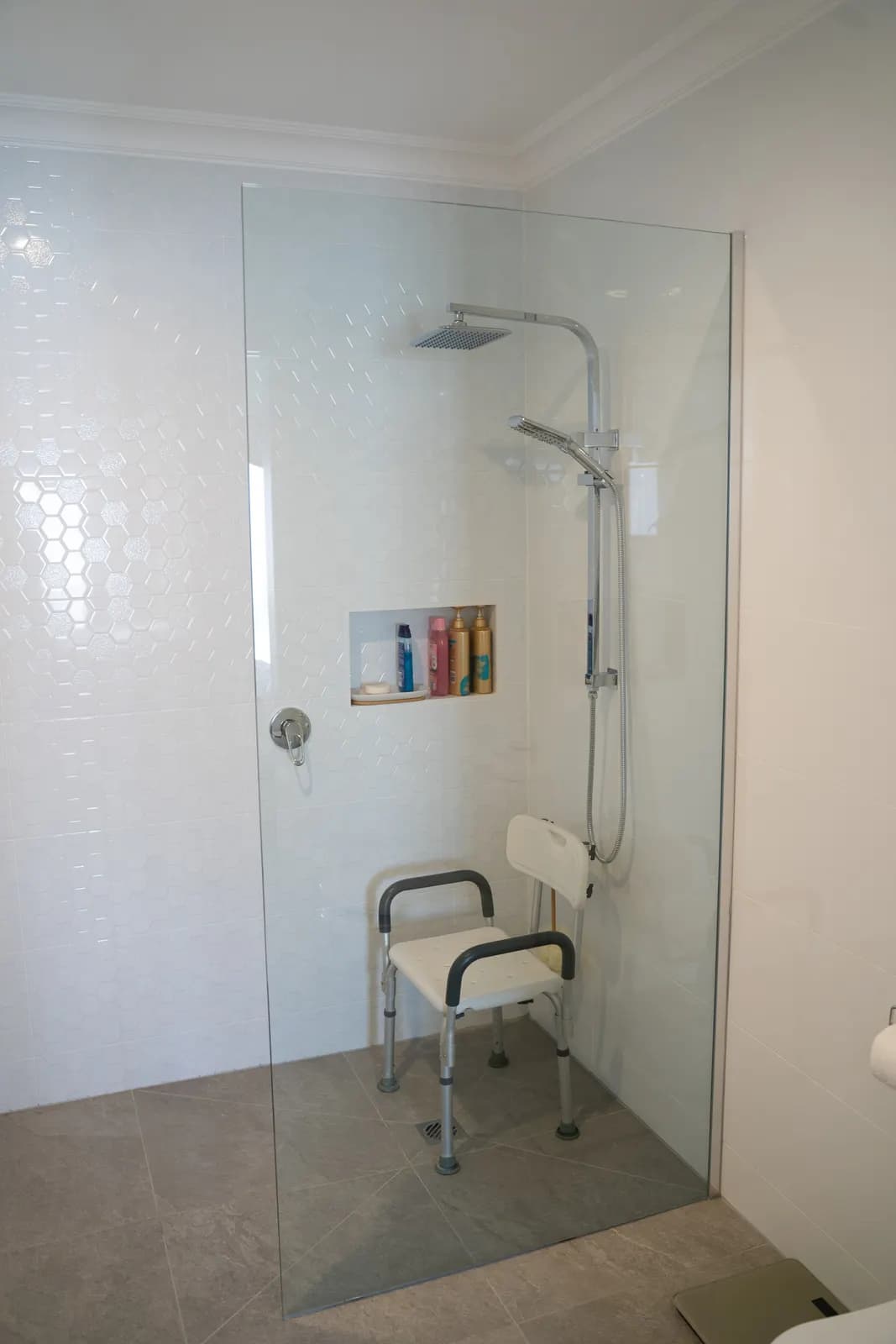
More ways to makeyour bathroom safer.
Taps and hot water
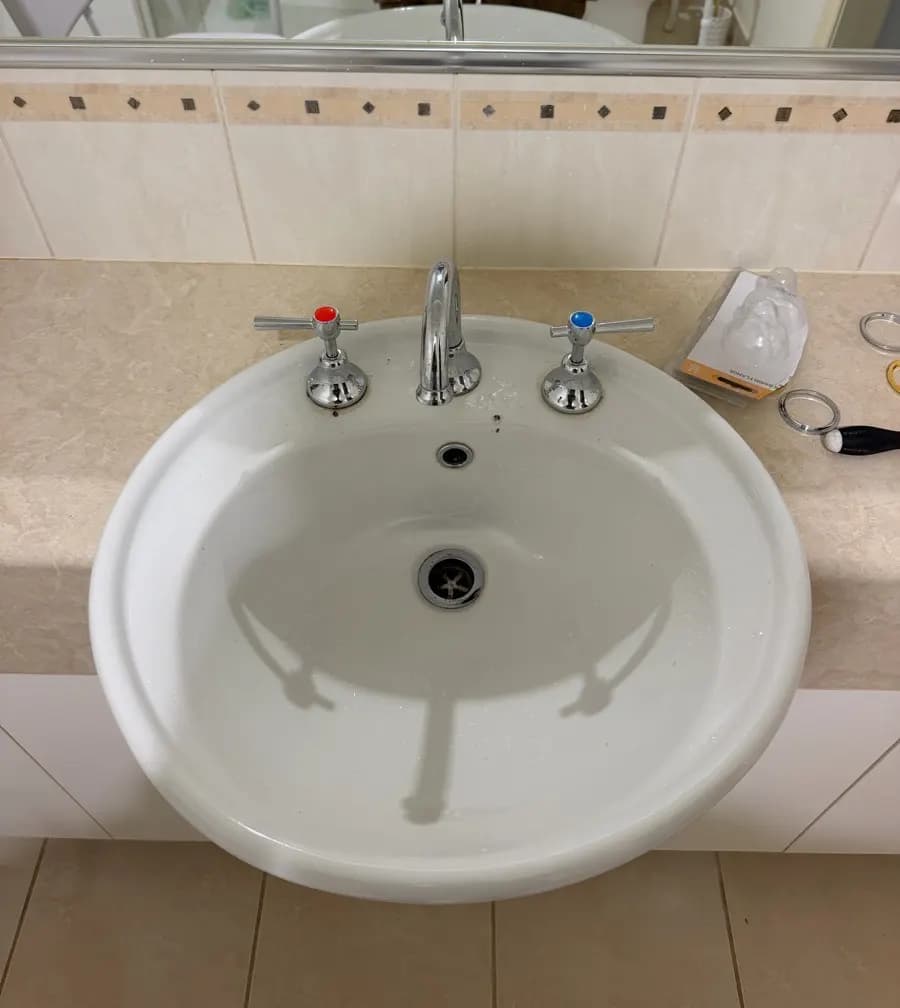
Lever taps you can turn with a closed hand, and hot water that can’t scald.
Non-slip floors
Grip on the floor you already have, without replacing a tile.
Modular grab rails
Rails that turn corners, for showers where a standard rail won’t fit.
Rubber ramps
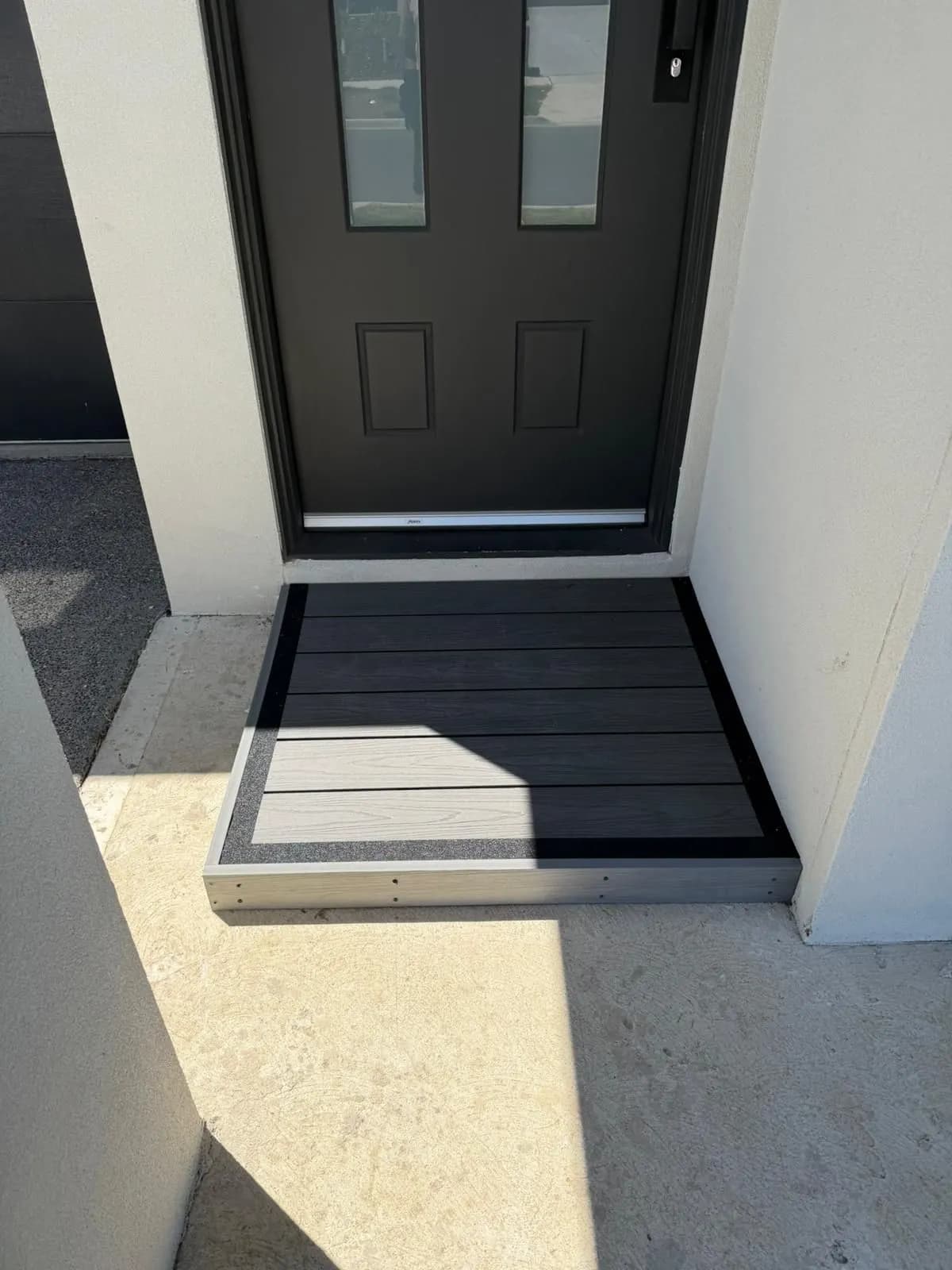
For a small lip at the bathroom door, with nothing to build.
How itworks.
Home visit
We look at your shower and how you use it, and suggest what will help most.
A clear, fixed quote
You get a written price, set out so your plan manager, case manager, or occupational therapist can approve it easily.
Fitted in one or two visits
Seats, hand showers, and rails are usually fitted in one visit. Items made to measure, like a base insert, need a second.
Backed by warranty
All work is done by licensed tradespeople and backed by the relevant warranties.
Who wehelp.
Older people
Shower safely, and on your own, for longer.
People who shower seated
A seat, a hand shower, and a rail, all within reach.
Carers and family
Room to help in the shower without getting soaked.
Renters
Some shower changes need no drilling at all, so they suit a rental.
Why chooseVital Ease?
Registered NDIS provider
We set out every quote so your funding is easy to approve.
We work with OTs
Have an occupational therapist’s report? Send it to us and we will quote to it.
Licensed tradespeople
Our own team measures and fits, and our plumbers handle anything on the water.
Honest advice
If your bathroom needs a bigger job, we will tell you, not sell you the small one.
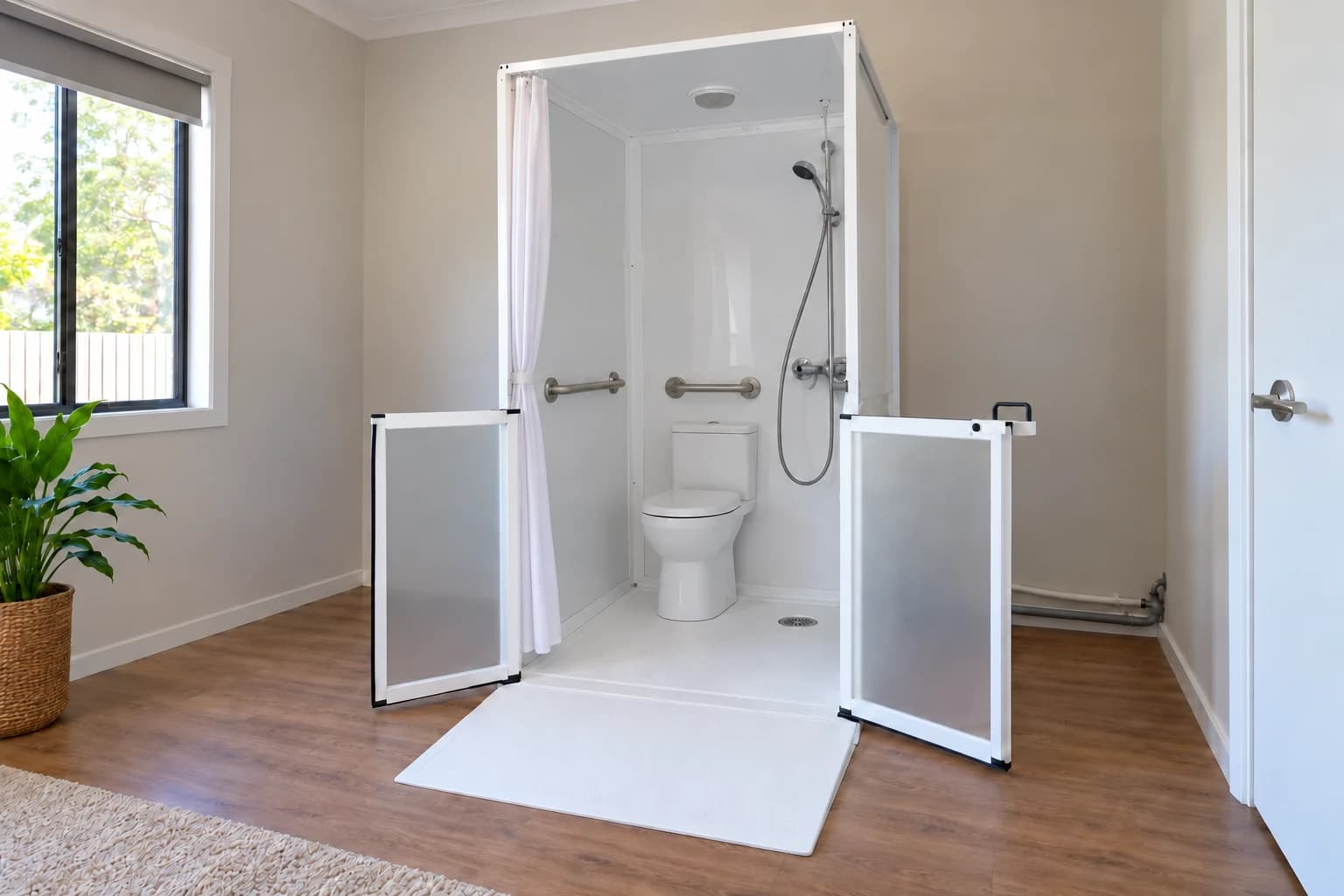
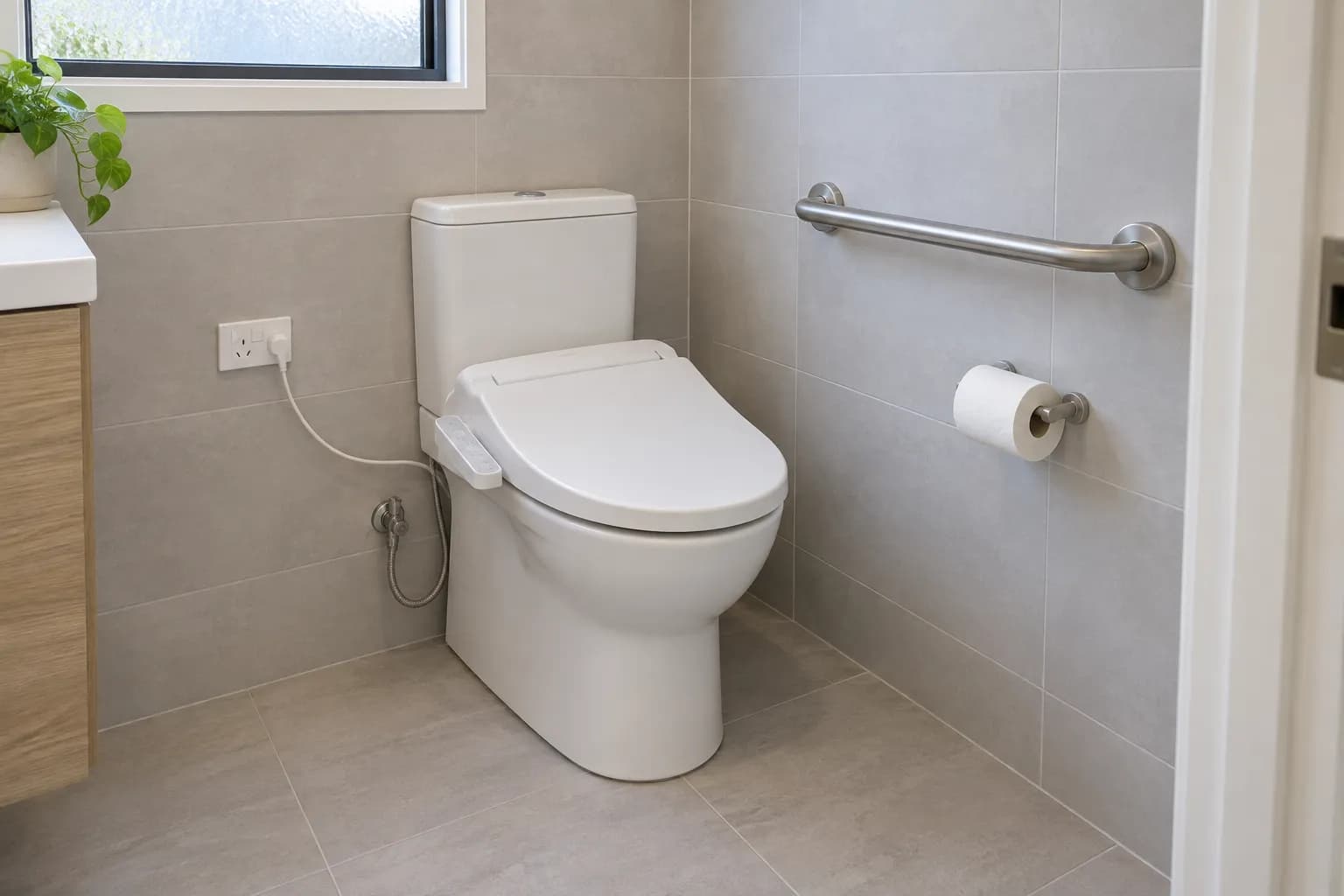
Showers we havemade safer.
Real photos of our own work in homes across Victoria and New South Wales.
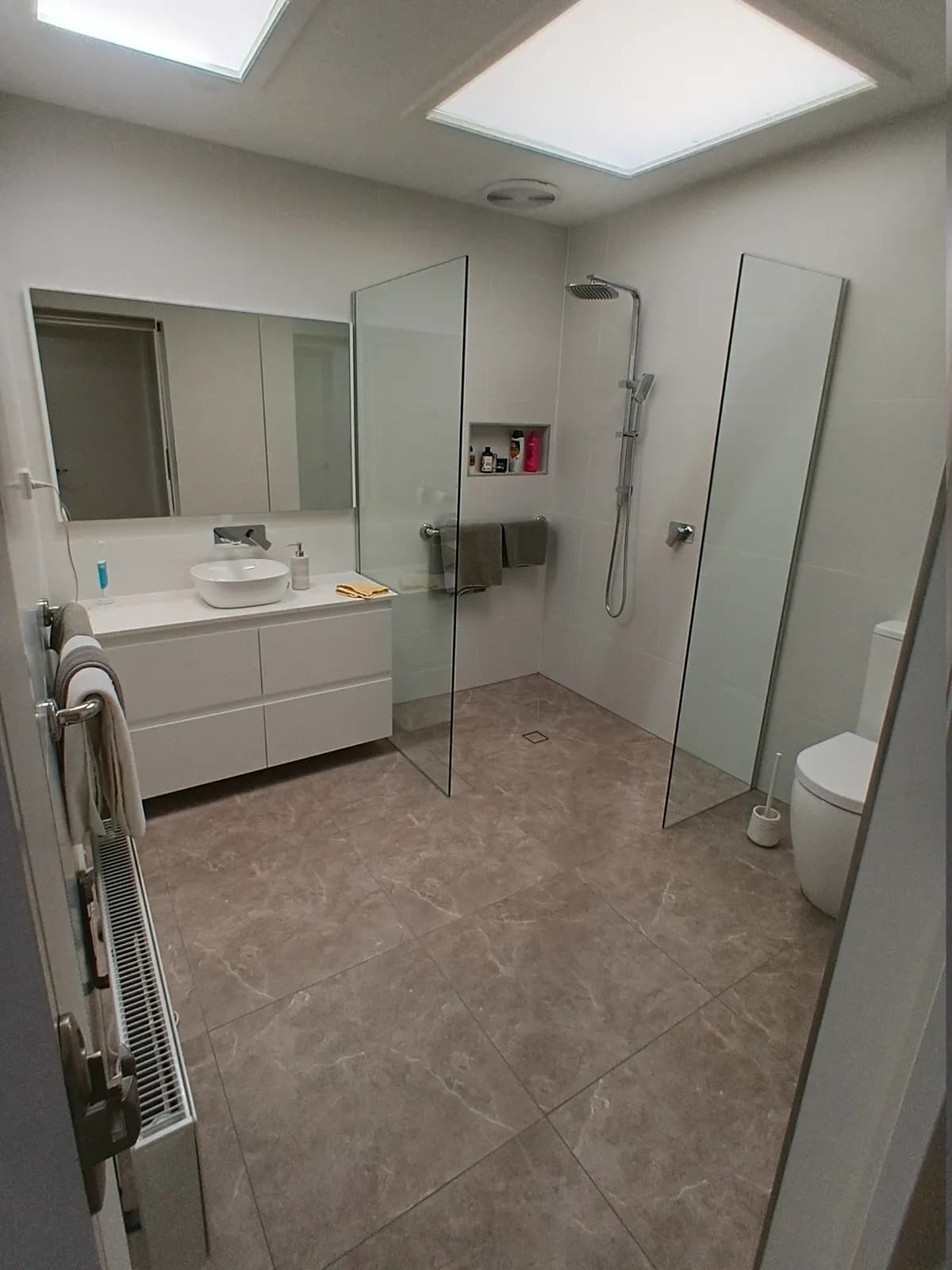
When the room itselfis the problem.
Sometimes rails and seats are not enough. The step in may be too high, the floor may slope the wrong way, or there may be no room to turn. Then you need a new, accessible bathroom.
We do both, and we will tell you honestly on the visit which one you need.
Not sure what you need? Call us for a free phone consultation, and we’ll talk you through the options. No obligation.
Questions
What people ask aboutshower solutions.
Frequently Asked Questions
Can I make my shower accessible without a full renovation?
How do I know if I need the bigger job instead?
Can I rent and still make my shower safer?
Will the NDIS or my Home Care Package pay for shower modifications?
Can’t see your question? Call us on +61 3 8658 1358 — we’re happy to talk it through.
More from Vital Ease
The rest of whatwe do.
Let us make your homework for you.
Ready to start your modification journey? Contact our team.
Ready to make your home safer and more accessible? Our team is here to help from your first consultation through to the final handover. Let’s talk about what’s possible for your home.